
On a warm, sunlit weekend morning, Emma and Tom decided to take their six-year-old daughter, Lily, on a simple family outing to the local zoo.
It was the kind of day that feels effortlessly right—clear blue skies stretched overhead, a soft breeze moved through the trees, and the gentle warmth of the sun made everything feel calm and inviting.
For Lily, the day felt magical from the moment they walked through the entrance gates. She skipped along the pathways, her small sneakers tapping excitedly against the pavement.
Every new enclosure sparked fresh delight. She waved enthusiastically at goats, laughed uncontrollably as rabbits nibbled food from her open palm, and paused frequently to smile at other visitors as if the joy she felt needed to be shared.
Emma and Tom watched her with quiet happiness. These were the moments parents treasure—the ordinary ones that feel perfect simply because everyone is present and content. There was no rush, no stress, no expectations beyond enjoying the day together.
The zoo buzzed softly with life. Children laughed, animals moved lazily in their habitats, and the air carried a mixture of warm earth, leaves, and distant food stands. It felt like a celebration of simple pleasures.
As they wandered from exhibit to exhibit, Lily’s excitement never faded. But when the family reached the otter enclosure, something unexpected happened—something that would stay with them long after the day ended.
An Unusual Moment of Connection
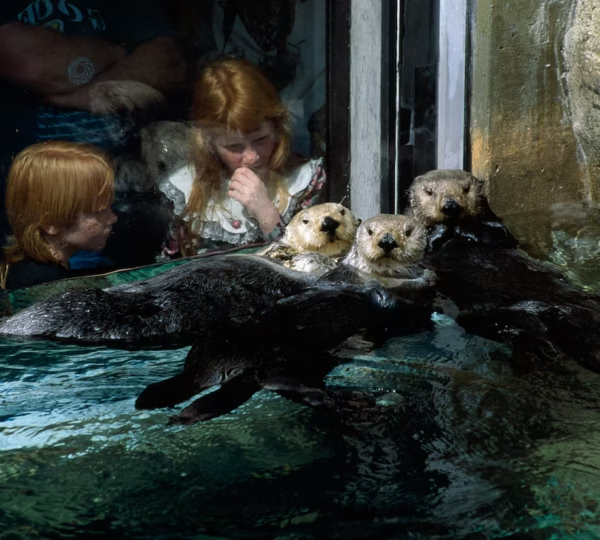
Behind the glass, several otters swam and played together, darting through the water with effortless grace. Lily pressed closer, captivated. Then she noticed one otter who seemed different from the rest.
This otter, known to the staff as Luna, separated herself from the others and swam directly toward the glass. She stopped just inches away from Lily’s face, her dark, curious eyes fixed intently on the little girl.
For a brief, unforgettable moment, the world around them seemed to fade.
It felt as though Luna wasn’t merely looking at Lily, but seeing her.
Lily, delighted, placed both hands against the glass, her face lighting up with a wide smile. To the amazement of everyone nearby, Luna mirrored the gesture, lifting her small paws and pressing them against the glass from the other side.
Their movements aligned so perfectly that it looked like a reflection—child and animal connected through an invisible thread.
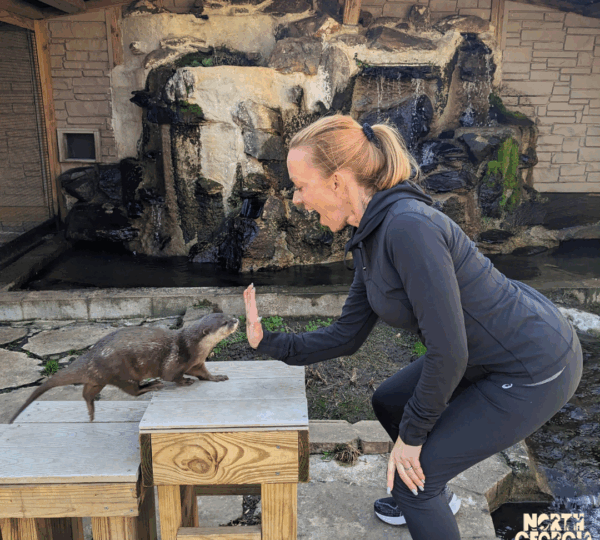
Nearby visitors slowed, some stopping altogether. Conversations softened as people watched the quiet exchange unfold. It was a simple scene, yet it carried a rare tenderness that felt almost sacred.
Emma felt a gentle tightening in her chest—not fear, but awe. Tom smiled, shaking his head slightly, as if trying to process how such a small moment could feel so meaningful.
For several minutes, everything remained calm. Luna floated lazily, spinning and gliding through the water, while Lily laughed and followed her movements with unfiltered joy.
It was one of those unplanned moments that families don’t forget.
A Subtle Shift
Then, without warning, something changed.
Luna’s playful movements grew slower, more deliberate. She stopped spinning and began circling a specific spot directly in front of Lily. Her eyes remained locked on the child, unblinking and focused.
Suddenly, Luna lifted her paws and began tapping firmly against the glass.
Tap. Tap. Tap.
The sound was soft, but insistent.
The atmosphere shifted. What had felt magical now felt… different.
Emma noticed it immediately. So did Tom. They exchanged a glance—subtle, but filled with shared unease.
This wasn’t playful behavior. It felt purposeful.
Lily, however, remained unaware of the tension. She giggled each time Luna tapped the glass, assuming it was part of a game.
Other visitors noticed the change as well. A few people stepped closer, curious.
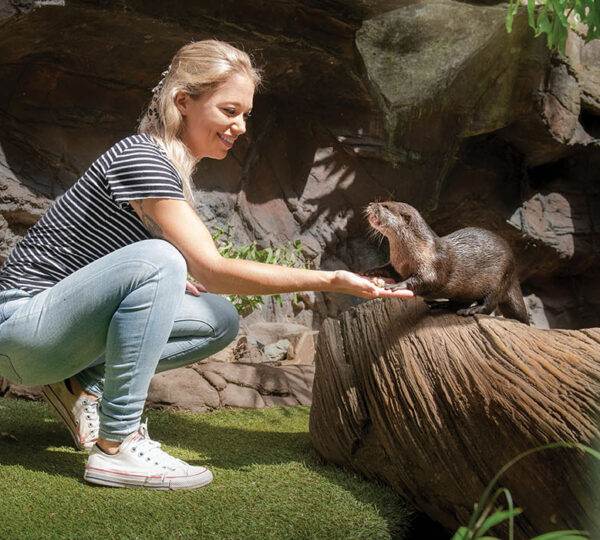
That was when a zookeeper, who had been observing quietly from a short distance away, approached the family.
A Gentle Warning
The zookeeper spoke calmly, his voice low and measured.
“I don’t want to alarm you,” he said kindly, “but I wanted to mention something.”
Emma turned to him, her attention fully focused.
“Luna has shown behavior like this a few times before,” he continued. “We don’t have a scientific explanation for it, and it doesn’t happen often. But occasionally, she reacts very strongly to certain visitors.”
He paused, choosing his words carefully.
“In a few past cases,” he added, “those visitors later discovered health issues they weren’t aware of at the time. There’s no proven connection—it could be coincidence—but sometimes animals seem to respond to things we don’t yet understand.”
Emma felt a chill move through her, despite the warmth of the day.
The zookeeper quickly reassured them. “Please don’t panic. This doesn’t mean anything is wrong. I just encourage people, when something unusual happens, to pay attention and maybe schedule a routine check-up. That’s all.”
His tone remained gentle and professional, grounded in observation rather than fear.
Emma nodded, thanking him. Tom placed a protective hand on Lily’s shoulder.
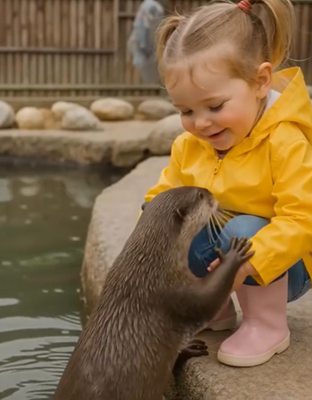
They stayed a few moments longer, but the magic of the scene had changed. Even as Luna drifted away, Emma couldn’t shake the image of the otter’s intense gaze.
The Weight of a Thought
The rest of the day passed normally, yet uneasily.
Lily enjoyed the remaining exhibits, chattering happily about her favorite animals. Tom laughed and responded as usual. But Emma felt distracted, her thoughts drifting back to the otter enclosure again and again.
That night, after Lily was tucked into bed, Emma lay awake staring at the ceiling. The house was quiet, but her mind was not.
She replayed the moment repeatedly: the circling, the tapping, the unwavering eyes.
She told herself it was nothing. A coincidence. An animal reacting randomly.
But the feeling in her gut refused to fade.
By morning, Emma knew what she needed to do.
Without making a big issue of it, she scheduled a routine doctor’s appointment for Lily. She didn’t want to frighten Tom or overreact. She simply framed it as something responsible parents do.
Still, the days leading up to the appointment felt heavy.
Answers, Not Fear
At the clinic, Lily sat happily on the examination table, swinging her legs as the doctor chatted with her. Everything felt normal.
The doctor ran standard tests, asked routine questions, and reviewed results carefully.
Then his expression shifted—subtle, but noticeable.
“There’s nothing serious,” he said gently. “But we did catch a small developing issue. It’s not dangerous, and it’s very manageable—especially because we found it early.”
Emma exhaled, realizing she had been holding her breath.
The doctor explained that without early detection, the issue might have caused complications later. With treatment and monitoring, Lily would be perfectly fine.
Relief washed over the family.
That evening, Tom hugged Emma tightly. “I’m really glad you trusted your instincts,” he said quietly. “It could’ve been missed.”
They didn’t need to say more.
A Second Visit
Weeks later, with Lily healthy and full of energy, the family returned to the zoo.
Lily ran ahead eagerly, excited to see Luna again.
Emma felt a strange mix of curiosity and gratitude as they approached the otter enclosure.
Almost immediately, Luna appeared.
She swam toward the glass—but this time, her movements were calm. There was no circling. No tapping.
She floated peacefully, spinning slowly in the water as if greeting an old friend.
Emma felt tears gather in her eyes—not from fear, but from a deep, quiet gratitude.
Whether coincidence, instinct, or something science cannot yet explain, the moment felt meaningful.
A Lesson That Lingers
As they left the zoo that day, Lily skipped between her parents, talking excitedly about how Luna had remembered her.
Emma glanced back one last time. Luna floated gently in the sunlight, serene and still.
That image stayed with her.
Life, Emma realized, often speaks softly. It doesn’t always shout or demand attention. Sometimes it simply offers a moment—a pause—asking us to listen.
Whether guided by intuition, coincidence, or awareness, paying attention can change everything.
And sometimes, the most powerful reminders come from the most unexpected places—like an otter behind a pane of glass.

