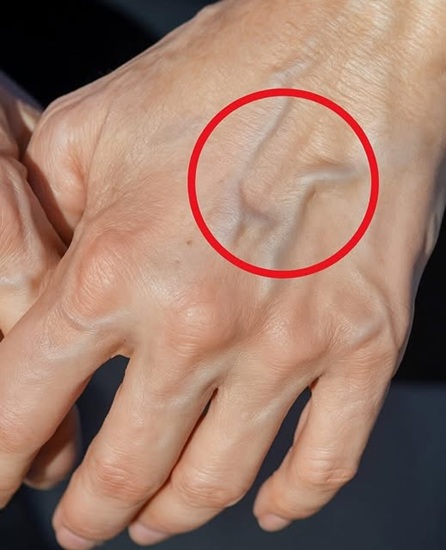
Visible veins on the hands, especially among young and otherwise healthy individuals, are usually completely normal and harmless.
While the appearance of pronounced veins can sometimes be surprising or concerning, in the vast majority of cases, it is simply a natural physical characteristic rather than an indicator of any underlying medical condition.
Understanding the factors that contribute to prominent hand veins can help reduce unnecessary worry and provide strategies for managing their appearance if desired for cosmetic reasons.
The Anatomy of Veins and Why They Show
Veins are blood vessels responsible for carrying deoxygenated blood from the body back to the heart. Unlike arteries, which are usually deeper and more muscular to withstand higher blood pressure, veins are more flexible and located closer to the skin’s surface.
The visibility of veins is influenced by several anatomical and physiological factors including skin thickness, subcutaneous fat, and the size of the veins themselves.
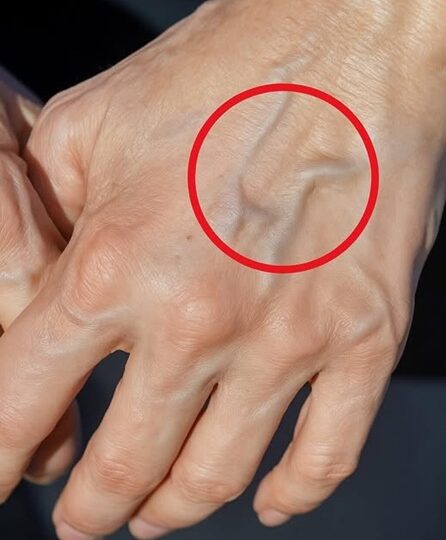
In areas like the hands, where the skin is naturally thin and less fatty tissue is present, veins are more likely to be noticeable.
The dorsal side of the hands (the back) is particularly prone to this because the skin is less cushioned compared to other parts of the body.
When veins are seen through the skin, it is usually a normal occurrence and a reflection of natural anatomy rather than an underlying health problem.
Role of Body Fat in Vein Visibility
One of the primary reasons veins appear prominent is a low level of subcutaneous fat. Subcutaneous fat is the layer of fat that sits just under the skin, providing cushioning and some concealment for blood vessels.
Individuals with lower body fat percentages often have more visible veins across the body, including the hands, arms, legs, and even the chest.
This phenomenon is particularly noticeable in athletes, bodybuilders, or those who maintain a lean physique. When the fat layer beneath the skin is thin, veins are closer to the surface and appear more pronounced.
This is a natural result of body composition and is not harmful. Conversely, individuals with higher levels of body fat may find their veins less visible simply because the fat layer obscures them.
Skin Type and Genetic Influences
Skin characteristics play a major role in how veins are seen. People with thin, fair, or translucent skin naturally show veins more prominently.
This is due to the lower density of melanin and other pigments in the skin, which allows the underlying blue or green color of veins to be more visible.
Genetics also strongly influence vein visibility. Some individuals inherit naturally larger veins or skin that is thinner, which can make veins more noticeable even at a young age.
Family history often predicts how prominent veins will be, and this is a normal variation rather than a health concern.
Exercise and Physical Activity
Physical activity has a direct effect on vein appearance. During exercise, blood flow increases to deliver oxygen and nutrients to working muscles. To accommodate this increased circulation, veins expand, a process known as venodilation, making them temporarily more prominent.
Athletes and physically active individuals often notice their veins becoming more visible not only during exercise but also afterward. Strength training, weightlifting, and resistance exercises, in particular, can enhance vein prominence by increasing muscle mass, which pushes veins closer to the skin’s surface.
Over time, regular exercise can lead to more permanent vascular visibility, which is a natural adaptation and not a cause for concern.
Heat and Temperature Effects
Environmental factors, such as temperature, can also affect vein visibility. In warm conditions, veins dilate to help regulate body temperature.
This process, known as thermoregulation, allows blood to flow closer to the skin surface where heat can be released. As a result, hand veins may appear darker, larger, or more raised during hot weather or after a warm shower.
Conversely, in colder temperatures, veins constrict to preserve heat, which may make them less visible. This dynamic change in vein appearance due to temperature is entirely normal and reflects the body’s healthy circulatory responses.
Hormonal Fluctuations and Hydration
Hormonal changes and hydration levels can subtly influence vein visibility. Fluctuations in hormones, such as those associated with menstruation, pregnancy, or other endocrine changes, can affect blood volume and circulation, sometimes temporarily increasing the prominence of veins.
Dehydration can also play a role. When the body lacks sufficient fluids, veins may become more pronounced because the surrounding tissues shrink slightly, reducing the cushioning around blood vessels.
Maintaining adequate hydration is not only important for overall health but can also moderate how prominent veins appear.
When Visible Veins Require Medical Attention
While prominent veins are usually harmless, certain signs indicate a need for medical evaluation. If vein appearance suddenly changes or is accompanied by symptoms such as pain, swelling, redness, warmth, or tenderness, it could suggest an underlying condition such as inflammation, blood clot formation, or other circulatory issues.
Conditions like superficial thrombophlebitis (inflammation of a vein near the skin’s surface) or deep vein thrombosis (DVT) require professional attention. Although these are rare in the hands, awareness of these warning signs is important for timely medical care.
Cosmetic Concerns and Management Strategies
For those who are concerned about the cosmetic appearance of hand veins, several safe and natural strategies can help reduce their prominence:
Hydration: Drinking sufficient water keeps tissues plump and can make veins less noticeable. Dehydration can temporarily shrink tissues, making veins more prominent.
Moisturization: Well-hydrated skin appears smoother and less translucent, which can subtly reduce the appearance of veins.
Sun Protection: Prolonged sun exposure can thin the skin over time, making veins more visible. Using sunscreen and protective gloves can preserve skin integrity.
Building Healthy Muscle Mass: Strength training and resistance exercises can improve skin support and vascular health. While this may sometimes enhance vein visibility on the forearms and hands, it also contributes to overall body aesthetics.
Temperature Regulation: Avoiding excessive heat or rapidly cooling hands after exposure to high temperatures may reduce temporary vein prominence.
Compression Gloves: In specific situations, such as for people who are prone to hand swelling, compression gloves may provide temporary aesthetic improvement by reducing vein distension.
Myths and Misconceptions
There are several myths surrounding visible veins, which can lead to unnecessary concern. For example:
“Visible veins mean poor health.” On the contrary, prominent veins in healthy individuals are usually a sign of normal anatomy, low body fat, or fitness rather than illness.
“Only older people have visible veins.” Veins can be seen at any age depending on genetics, skin type, and body composition.
“Visible veins always indicate high blood pressure or cardiovascular problems.” While certain vascular conditions can affect veins, most visible veins in otherwise healthy young adults are entirely benign.
Conclusion
Visible veins on the hands are a common and usually harmless physical trait. They result from a combination of low body fat, thin or fair skin, genetic factors, exercise, temperature, hydration, and hormonal fluctuations. For most people, hand veins are a natural feature and not an indicator of poor health.
Understanding the factors that influence vein visibility can help individuals appreciate these variations and manage any cosmetic concerns safely.
Maintaining proper hydration, skin care, sun protection, and overall physical fitness supports healthy veins and skin while reducing unnecessary worry.
In rare instances, sudden changes in vein appearance, especially when associated with pain, swelling, or redness, should be evaluated by a healthcare professional to rule out vascular or circulatory issues.
However, for the vast majority of people, visible hand veins are simply part of normal human anatomy—a feature to acknowledge rather than a symptom to fear.
By educating ourselves about normal vascular anatomy and the factors that influence vein visibility, we can distinguish between natural variation and true health concerns.
This knowledge empowers people to make informed decisions about their health, wellness, and cosmetic choices without succumbing to misinformation or undue worry.
