
Drying clothes outdoors is a long-standing and widely practiced habit across many cultures and regions. For generations, people have relied on sunlight and fresh air to dry laundry naturally.
This method is energy-efficient, environmentally friendly, and often leaves clothes feeling softer and smelling fresh.
However, one unexpected situation can surprise many people: bees landing on freshly washed clothes hung outside to dry. At first glance, this behavior can feel alarming or confusing.
Clothing does not produce nectar, and it is not part of a bee’s natural food source. Yet, bees are not randomly attracted to laundry.
Their interest is guided by instinct, sensory perception, and environmental cues. Understanding why bees behave this way can help reduce fear, prevent unnecessary reactions, and allow people to continue drying clothes outdoors safely.
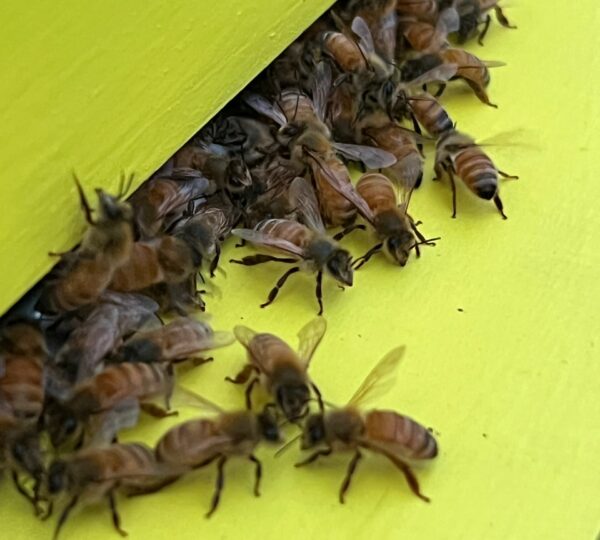
Bees are highly intelligent and sensory-driven insects. Their survival depends on their ability to detect scent, color, temperature, moisture, and movement in their environment.
When laundry is hung outdoors, it can unintentionally mimic some of the same signals bees associate with flowers, water sources, or safe resting areas. This resemblance is temporary and unintentional, but it is often enough to attract their attention.
How Bees Perceive the World
To understand why bees land on clothing, it is important to understand how bees experience their surroundings. Bees do not see or smell the world the same way humans do. They rely on a combination of sensory inputs to locate food, water, and shelter.
Bees have an extremely sensitive sense of smell. Their antennae are equipped with thousands of scent receptors that allow them to detect floral compounds from long distances.
These chemical signals guide them to nectar-producing flowers and help them communicate with other bees in the hive.
In addition to smell, bees have specialized vision. They are especially attracted to bright and light colors, and they can see ultraviolet patterns that humans cannot. These visual cues help bees identify flowers quickly and efficiently.
Bees also respond strongly to environmental conditions such as heat and humidity. Warm surfaces, moisture, and sunlight can influence where bees choose to land or investigate. All of these factors can be present when clothes are drying outdoors.
One of the most common reasons bees are attracted to outdoor laundry is fragrance. Many modern detergents, fabric softeners, and scent boosters are designed to leave clothes smelling fresh and pleasant. These fragrances often contain floral, fruity, or sweet scent profiles.
To humans, these scents are simply clean and appealing. To bees, however, they can resemble the chemical signals released by flowers.
Bees cannot easily distinguish between artificial fragrance compounds and natural floral scents. As a result, freshly washed clothing may smell like a potential nectar source to a passing bee.
When bees encounter these scents in the air, their instincts drive them to investigate. They may land on clothing to determine whether nectar is present. Once they realize that the fabric does not provide food, they usually leave quickly.
Moisture as a Source of Attraction
Water is essential for bee colonies. Bees collect water to regulate hive temperature, dissolve crystallized honey, and support larval development. During hot or dry weather, water sources can become scarce.
Freshly washed laundry often retains small amounts of moisture, even after being hung to dry. Towels, thick fabrics, seams, and pockets may hold water longer than other areas. Bees may detect this moisture and approach the clothing as a possible water source.
The Influence of Color on Bee Behavior
Color plays a significant role in attracting bees. Bees are naturally drawn to light and bright colors, particularly white, yellow, blue, and pastel shades. These colors are common in flowering plants, which bees associate with nectar and pollen.
Clothing in light colors stands out visually against natural backgrounds such as grass, soil, or wooden fences. When laundry is hung outdoors, it can resemble clusters of flowers from a distance. This visual similarity may encourage bees to approach and investigate.
Dark colors, such as black or deep brown, are generally less attractive to bees. However, dark fabrics may absorb more heat, which can still draw bees seeking warmth.
Heat and Sunlight as Behavioral Triggers
Sun-warmed clothing can also attract bees. Bees are cold-blooded insects, meaning their activity levels depend on external temperature. Warm surfaces help them conserve energy and regulate body temperature.
Clothes hanging in direct sunlight absorb heat and may radiate warmth. During cooler mornings or mild weather, bees may land on these surfaces to rest briefly or warm themselves.
This behavior is typically short-lived and harmless. Bees are simply responding to favorable environmental conditions rather than actively seeking clothing.
Why Bees Are Usually Not Dangerous
Despite common fears, bees are generally non-aggressive. Their primary goal is survival, not defense. Bees sting only as a last resort when they feel trapped, threatened, or crushed.
When bees land on clothing, they are usually calm and focused on investigating scent, moisture, or warmth. Aggressive behavior is rare unless the bee perceives sudden movement, vibration, or direct contact.
Panic reactions such as swatting, shaking clothes violently, or attempting to brush bees away can increase the risk of a sting. Remaining calm and allowing the bee to leave on its own is the safest approach.
Safe and Effective Ways to Handle Bees on Laundry
If you discover bees on your clothing, there are several simple and safe steps you can take:
Wait patiently. In most cases, bees will leave on their own once they realize there is no nectar.
Avoid sudden movements. Gentle behavior reduces the chance of alarming the bee.
Use an object to move clothing. A hanger, stick, or pole can help you lift garments without direct contact.
Move laundry into shade or indoors. Bees are less attracted to cooler, shaded areas.
Shaking clothes lightly before bringing them indoors can also help ensure no insects remain on the fabric.
Preventing Bees from Being Attracted to Laundry
If bees frequently land on your outdoor laundry, small changes to your routine can significantly reduce the issue.
Switch to fragrance-free detergents. Unscented or hypoallergenic products eliminate floral cues that attract bees. These detergents are also beneficial for people with sensitive skin.
Adjust drying times. Bees are most active during midday hours when temperatures are highest. Drying clothes early in the morning or later in the afternoon can reduce exposure.
Choose shaded drying areas. Partial shade lowers fabric temperature and limits scent dispersion.
Install physical barriers. Mesh screens or enclosed drying racks allow airflow while preventing insects from reaching clothing.
Shake garments before storage. This simple step helps remove any insects that may have landed briefly.
Environmental Importance of Bees
Bees play a vital role in maintaining ecosystems. They pollinate crops, flowers, and wild plants, supporting biodiversity and food production. Without bees, many plant species would struggle to reproduce.
Understanding bee behavior encourages coexistence rather than fear. Bees landing on laundry are not acting aggressively; they are simply responding to environmental signals that resemble natural resources.
When Indoor Drying May Be Preferable
In areas with high bee populations or during peak pollination seasons, indoor drying may be a practical alternative. Many households alternate between indoor and outdoor drying depending on weather and insect activity.
Indoor drying eliminates insect exposure while still allowing clothes to air-dry naturally. Using drying racks near windows or well-ventilated spaces can maintain freshness without attracting bees.
Clearing Up Common Misconceptions
Bees are not attracted to human sweat left on clothes after washing. Clean laundry does not contain biological scents that interest bees. The attraction comes from detergents, moisture, heat, and color—not human odor.
Bees also do not intentionally nest in clothing. Landing on garments is a temporary exploratory behavior, not a sign of nesting or infestation.
Final Thoughts
Finding bees on clothes drying outdoors can be surprising, but it is rarely dangerous. Bees are guided by instinct and sensory cues, not aggression. Fragrance, moisture, color, and warmth can all make laundry appear similar to natural resources found in nature.
By understanding these factors, it becomes easier to manage the situation calmly and effectively. Simple preventive measures such as using fragrance-free detergents, adjusting drying times, and choosing shaded areas can significantly reduce bee attraction.
Outdoor drying remains a sustainable and beneficial practice. With a few thoughtful adjustments, you can continue enjoying fresh air-dried laundry while respecting the essential role bees play in the environment.
Bees are not enemies—they are vital contributors to the natural world. Their brief interest in laundry is simply a reflection of their incredible sensitivity to the environment around them.
By responding with patience and awareness, both people and bees can coexist safely and comfortably.

