
Canned foods are a staple in kitchens across the world. From beans and soups to vegetables, canned items offer convenience, long shelf life, and a reliable source of nutrition.
Yet, despite their popularity, many people remain confused about canned food expiration dates. How long is canned food safe to eat? Can you trust “Best By” or “Use By” labels?
And what about cans that are slightly past their printed date? Understanding these questions is important not only for your health but also for reducing unnecessary food waste and saving money.
In this comprehensive guide, we will explore the science behind canned food expiration, proper storage techniques, signs of spoilage, and practical tips for safe consumption.
Understanding Canned Food Labels
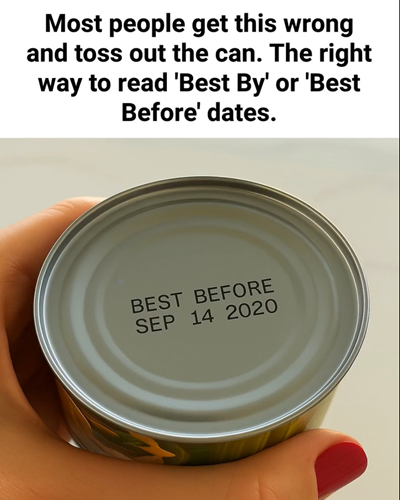
One of the most common misconceptions about canned food is that the printed date—often labeled “Best By,” “Best Before,” or “Use By”—is a strict indicator of safety. In reality, most dates on canned foods indicate quality, not safety.
The United States Department of Agriculture (USDA) confirms that properly stored canned food can remain safe to consume well beyond the printed date, although taste, texture, or color may gradually decline.
Best By / Best Before Dates
These dates are primarily about optimal flavor and texture. Manufacturers recommend consuming the product by this date to experience the best quality, but it does not necessarily mean the food is unsafe after that time. For example, canned beans may be a few months past the “Best By” date but still perfectly edible if stored correctly.
Use By Dates
More commonly found on perishable items like dairy, meat, or ready-to-eat meals, “Use By” dates are also quality indicators in many cases. While perishable items are more time-sensitive, most canned products are durable and can last significantly longer.

The Role of Storage Conditions
Storage plays a critical role in the longevity of canned foods. Temperature, humidity, and exposure to light all affect the quality and safety of a can.
Temperature: Store cans in a cool, dry place. Avoid garages, attics, or areas that experience extreme temperature fluctuations. Heat can degrade the food more rapidly, causing loss of flavor and nutrients.
Light: Cans should be kept away from direct sunlight. UV rays can weaken the can’s material and alter the food inside over time.
Humidity: High humidity increases the risk of rust on metal cans, which can compromise the seal and allow bacteria to enter.
High-Acid vs Low-Acid Foods
Canned foods are categorized as high-acid or low-acid, and this classification affects their shelf life:
High-Acid Foods: Includes tomatoes, citrus fruits, pineapple, and pickled products. These foods are more prone to spoilage over time and are best consumed within 12–18 months of the “Best By” date for optimal taste.
Low-Acid Foods: Includes beans, corn, peas, carrots, and meats. These items are far more durable and can last 3 to 5 years or longer, provided the can is intact and stored properly.
Understanding this distinction helps prioritize pantry rotation and ensures you use items while they’re at peak quality.
Inspecting Canned Food for Safety
Even though most canned foods are safe beyond their printed date, it is essential to inspect each can before use. The USDA and food safety experts provide the following guidelines:
1. Bulging Lids
A bulging lid is a clear warning sign of spoilage, often caused by gas produced by bacteria such as Clostridium botulinum, which causes botulism. If a can is swollen or misshapen, discard it immediately.
2. Leaks and Rust
Cans that are leaking, severely rusted, or have compromised seams should never be consumed. Rust can erode the metal and weaken the protective seal, allowing bacteria to enter.
3. Dents and Damage
Shallow dents may not always be dangerous, but deep dents, particularly along seams, can compromise the integrity of the can. Inspect each can carefully before use.
4. Unusual Smells
If the contents emit a sour, rancid, or otherwise unusual odor when opened, do not taste it. Trust your senses—they are a primary indicator of safety.
5. Discoloration
Changes in color or texture, such as darkening of beans or sliminess of vegetables, suggest spoilage. These cans should not be consumed.
Safe Consumption Practices
If a can passes inspection, it can often be safely used even past its “Best By” date. Here are some practical tips:
Transfer After Opening: Once opened, transfer the contents to a glass or ceramic container and refrigerate. Consume within 3–5 days.
Cooking: Slightly past-date canned foods can be safely cooked into soups, stews, sauces, or casseroles, provided no signs of spoilage exist. Cooking may even enhance flavor and ensure uniform heating.
Emergency Preparedness: Cans can remain a reliable source of nutrition for emergency kits. Regularly rotate stock but do not discard items unnecessarily.
Pantry Organization Tips
Proper organization ensures you use older cans first, reducing waste:
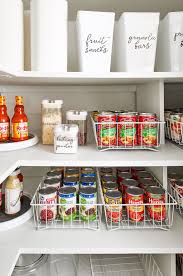
FIFO Method (First In, First Out): Place newly purchased cans behind older ones.
Labeling: Mark cans with purchase dates to track longevity.
Check Before Buying: Always inspect your pantry before buying additional cans. Many items may already be safe for use despite being past their printed date.
Temperature and Environmental Considerations
Avoid Extreme Temperatures: Heat and freezing can degrade canned food. Do not store in garages, attics, or unheated sheds.
Cool, Dry, Dark Spaces: Ideal storage locations include kitchen pantries, cabinets, or climate-controlled basements.
Special Considerations for Acidic Foods
Acidic canned foods, such as tomatoes, fruit, and pickled vegetables, have a shorter safe shelf life. Even if the can is undamaged, check these items carefully before use, especially if they are more than 18 months past the “Best By” date.
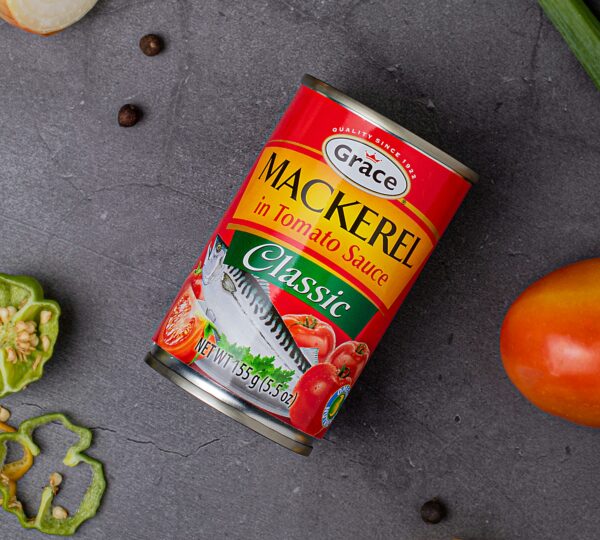
Long-Term Safety for Low-Acid Foods
Low-acid foods, including beans, corn, peas, carrots, and meats, are durable. With proper storage, these cans can last 5 years or longer. Regular inspection for dents, rust, or leaks is key to ensuring continued safety.
When in Doubt, Throw It Out
While canned foods are remarkably resilient, if there is any uncertainty about safety, it is best to discard the item. Never taste-test a suspect can, as some bacteria, such as Clostridium botulinum, can be deadly even in tiny amounts.
Reducing Food Waste Through Knowledge
Understanding canned food labeling, storage, and spoilage signs can prevent unnecessary waste. Many households discard perfectly safe food due to misunderstanding expiration dates. By following inspection and storage guidelines, consumers can:
Save money by consuming all usable canned food
Reduce environmental impact from food waste
Ensure safe nutrition for themselves and their families
Using Your Senses
Sight, smell, and touch are the most reliable tools for assessing canned food safety. Even when dates suggest a product is past its prime, these human senses often provide accurate early warnings.
Sight: Inspect for bulging, rust, dents, and discoloration.
Smell: A fresh, typical aroma indicates safety; any foul or unusual odor is a red flag.
Touch: Avoid cans that feel unusually soft, leaky, or compromised.
Practical Cooking Applications
Expired but intact canned foods can still be incorporated into many recipes. Soups, stews, casseroles, sauces, and chili are excellent ways to use older cans safely while ensuring thorough cooking.
Beans and Vegetables: Perfect for soups or stir-fries.
Canned Meats: Can be incorporated into casseroles or pasta dishes.
Tomatoes and Sauces: Suitable for sauces and stews, provided taste and smell are normal.
Emergency and Preparedness Use
Canned food is ideal for emergency storage. Many households rotate their emergency stock every few years, consuming older items first while replacing them with new ones. With proper storage, even slightly expired cans are a reliable source of sustenance during power outages or natural disasters.
Summary and Key Takeaways
Most canned foods remain safe past the “Best By” date if stored properly.
Inspect cans carefully: Check for bulging, rust, leaks, dents, odors, and discoloration.
Trust your senses: If anything seems off, discard the item.
Practice pantry rotation: FIFO method ensures older cans are used first.
High-acid foods spoil faster than low-acid foods; check these carefully.
Safe cooking methods: Cooking slightly past-date canned foods in soups, stews, or sauces is safe.
Emergency preparedness: Cans are reliable for long-term storage if rotated and inspected.
By understanding the difference between quality dates and safety, inspecting cans properly, and following practical storage and consumption guidelines, you can enjoy the convenience and nutrition of canned foods while reducing waste and saving money.
Conclusion
Canned foods are far more resilient than many people realize. While the printed date may suggest otherwise, proper storage and careful inspection ensure that most canned goods remain safe and nutritious well past their “Best By” dates.
By trusting your senses, organizing your pantry, and following the guidelines above, you can confidently enjoy your canned food, reduce waste, and maximize your kitchen resources.

