Rock Band’s Lead Vocalist Diagnosed with Stage 4 Cancer
For over two decades, Brad Arnold’s voice — gravelly, emotive, and unmistakable — has been at the center of some of rock music’s most enduring anthems.
As the frontman of 3 Doors Down, his songs became fixtures on radio and in fans’ lives, with hits like “Kryptonite,” “Here Without You,” and “It’s Not My Time”.
Giving voice to themes of vulnerability, perseverance, love, and resilience. Yet in 2025, the very themes he explored in his lyrics became alive in a new and deeply personal chapter of his life.
In a heartfelt announcement shared with fans, Arnold revealed that he has been diagnosed with stage 4 clear cell renal carcinoma, a form of kidney cancer that has metastasized — meaning the disease has spread — to his lungs.
Along with the news came the difficult decision: 3 Doors Down would cancel their summer 2025 tour, including dozens of planned performances across the United States.
A Diagnosis That Changed Everything
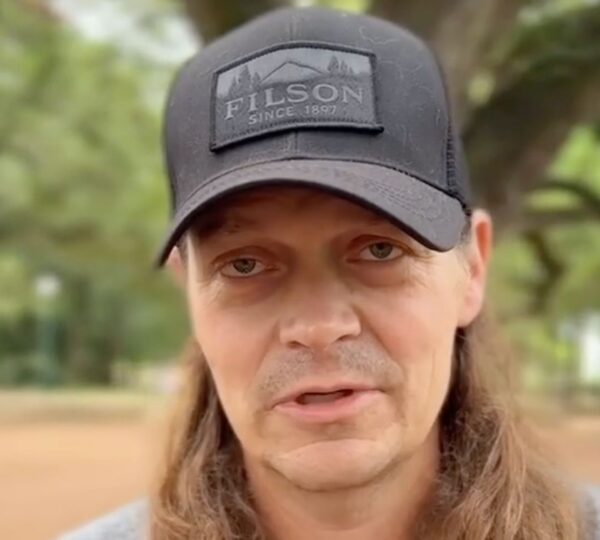
On May 7, 2025, Brad Arnold took to social media in a video message shared on Instagram by him and his bandmates, delivering news that would deeply resonate with fans around the world. In clear, unguarded language, he explained that after feeling unwell for several weeks and going to the hospital for evaluation, doctors delivered a diagnosis no musician or human wants to hear: stage 4 clear cell renal carcinoma that had spread to his lungs.
In medical terms, clear cell renal carcinoma is the most common type of kidney cancer found in adults.
What makes Arnold’s diagnosis especially serious is the stage 4 classification, which is used when cancer has metastasized beyond the original organ to distant parts of the body — in his case, the lungs.
This stage represents a significant clinical challenge and typically requires a complex combination of systemic treatments, including immunotherapy, targeted therapy, and sometimes surgery or radiation to manage symptoms and control tumor progression.
Stage 4 kidney cancer is notoriously difficult to treat. While early kidney cancer can often be treated successfully, once it spreads to other organs, survival rates decrease significantly.
According to medical data cited in reporting, the five‑year survival rate for metastatic kidney cancer drops to around 10%, highlighting the seriousness of Arnold’s condition.
Grace Under Pressure: Arnold’s Emotional and Spiritual Response
Despite the gravity of his diagnosis, Arnold’s response has been striking for its calmness, depth, and spiritual anchoring.

In his video message, he acknowledged the seriousness of stage 4 cancer — calling it “not real good” — but he also delivered a message of no fear and profound faith.
“We serve a mighty God, and He can overcome anything,” Arnold said in his message, adding that he was not frightened by the challenges ahead.
His words were not empty bravado, but expressed from a place of earnest faith and spiritual grounding. Arnold has long spoken about the role his Christian beliefs have played in his personal life, including earlier struggles with addiction.
His public fight with cancer has brought that faith to the forefront, as he has openly asked fans to “lift me up in prayer every chance you get.”
This kind of emotional transparency — especially from a rock musician known for anthem‑like hits — has connected with fans on a deeply human level.
It has stripped away the larger‑than‑life rock star image to reveal a man facing the realities of life and health with honesty, vulnerability, and strength.
The Tour That Never Was: Cancelling the Summer Dates
Up until the announcement, 3 Doors Down had planned an extensive summer 2025 tour, which was to begin in May in Daytona Beach, Florida, with scheduled performances across multiple states.
There were even co‑headlining dates with bands like Creed, bringing back a sense of ‘90s–2000s nostalgia for fans of the era.
Arnold’s diagnosis forced the band and their management to cancel all scheduled dates, including standalone shows, festival appearances, and even performances at large state fairs.
One example was the planned appearance at the Alaska State Fair, which officially confirmed the cancellation and announced refunds for ticketholders.
While disappointing to fans who had already bought tickets and looked forward to nights of shared music and connection, the band’s decision underscored the real‑world impact of Arnold’s health situation.
The bright lights and roar of the crowd gave way to a quiet but urgent retreat into treatment, recovery, and family time.
A Legacy Defined by Connection
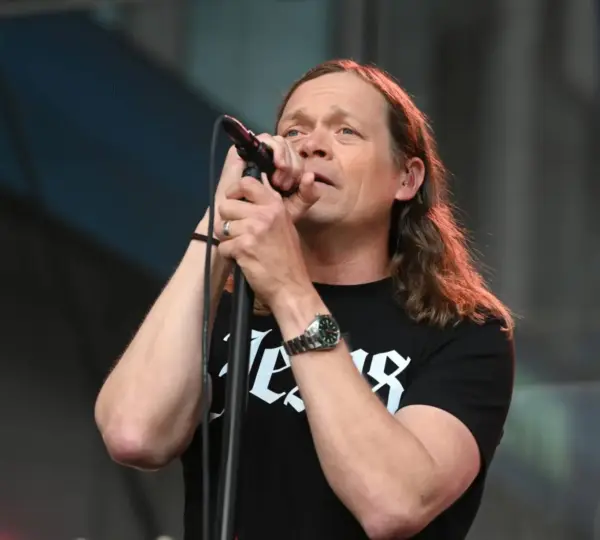
To understand why this moment has touched so many, it’s important to reflect on the emotional resonance of 3 Doors Down’s music.
Arnold’s songwriting, often reflective and honest, connected deeply with listeners who found in songs like “Here Without You” and “Kryptonite” personal meaning — songs about separation, struggle, faith, and resilience.
Those themes — once poetic lyrics — now echo in real time as fans listen with new understanding.
Many fans have noted that lines from “It’s Not My Time” — a song about defying fate and embracing life despite fear — feel especially poignant given Arnold’s current challenges.
In his announcement, he even referenced listening to that very track as a source of comfort and strength.
Medical Context: What Stage 4 Clear Cell Renal Carcinoma Means
Clear cell renal cell carcinoma (ccRCC) originates in the kidneys’ cells that filter waste from the blood. It accounts for approximately 80% of all kidney cancer cases in adults, making it the most common subtype.
When detected early, kidney cancer can sometimes be treated with surgery and have a favorable prognosis.
However, once it metastasizes — spreads beyond the kidney to organs like the lungs, bones, or liver — treatment becomes significantly more complex. For patients with metastatic kidney cancer, therapies may include:
Immunotherapy: Drugs that help activate the immune system to target cancer cells.
Targeted therapy: Medications that focus on specific pathways or markers on cancer cells.
Radiation therapy: To shrink tumors and alleviate symptoms in specific areas.
Surgery: In some cases, selective surgery may be used to remove tumors causing specific complications.
Despite advances in treatment, the prognosis for stage 4 kidney cancer remains challenging.
According to medical reporting, the five‑year survival rate for metastatic clear cell renal carcinoma is about 10%, underscoring the seriousness of Arnold’s condition.
Support from Fans, Peers, and the Music Community
Since Arnold’s announcement, the outpouring of support has been immense. On social media platforms, fans and fellow musicians have shared prayers, well wishes, and memories of past concerts.
Even artists outside of 3 Doors Down’s immediate circle have publicly shown solidarity, emphasizing the impact Arnold has had on the world beyond charts and tours.
Some fans have opened up about how Arnold’s music helped them through personal struggles, while others shared their own cancer journeys and messages of hope. T
he global community has effectively formed a virtual vigil, united by empathy and connection — much of it inspired by Arnold’s own vulnerability in sharing his health challenge so candidly.
Faith, Family, and Focus
Throughout the announcements and updates, Arnold’s faith and close support system — especially his wife, described in some reporting as his “warrior”— have been significant themes in his journey.
His emotional openness about how his personal beliefs and family’s love are guiding him has offered fans a model of strength that extends beyond physical treatment alone.
In sharing his experience, Arnold highlights the psychological and emotional components of facing a life‑altering diagnosis.
While no one can predict the clinical trajectory of advanced cancer, the singer’s commitment to “no fear” and spiritual peace illustrates a powerful mindset that many find inspirational — especially in a culture where illness is often framed as a battle to be won at all costs.
What’s Next: Treatment, Hope, and Uncertain Futures
Arnold’s path forward will almost certainly involve ongoing medical treatment, careful monitoring, and adjustments in care as doctors respond to how the cancer reacts to therapy.
Because every cancer case is unique, there are no guarantees, and the response to treatment can vary widely among individuals.
Still, progress in immunotherapy and targeted treatments has made it possible for some patients with metastatic cancer to achieve long periods of remission or disease control — even in situations once considered unmanageable.
At age 46, Arnold’s diagnosis has reminded many fans of the fragility and unpredictability of life — but also of the resilience of the human spirit.
His openness about fear, faith, and the reality of his situation provides a deeply human connection that transcends celebrity. It unites listeners not in spectacle, but in shared vulnerability.
Music That Echoes Life Itself
Though the future of 3 Doors Down’s touring schedule remains uncertain and the band’s plans are on an indefinite hiatus, the music Arnold and his bandmates have already created continues to resonate.
Songs that once scored youthful road trips now serve as emotional touchstones for fans navigating their own life challenges.
Lyrics that once spoke metaphorically about strength, fear, love, and survival now have a real‑world accuracy that few artists ever get to witness in their own lifetime.
Arnold’s statement that this period of his life feels like “It’s Not My Time” reinforces a broader message: that music, hope, and community can become armor even when life’s battles feel overwhelming.
A Story Still Being Written
Brad Arnold’s journey is not defined solely by his diagnosis. It is shaped by his courage, his willingness to share his story, and the profound connections he’s forged with listeners over more than 20 years.
Whether his path leads to remission, long‑term disease control, or a deeper spiritual journey, his voice — both literally and figuratively — will continue to echo in the hearts of many.
In an era where celebrity news is often shallow or sensationalized, Arnold’s narrative stands out for its raw honesty and human depth.
He’s not just the singer who gave us “Kryptonite.” He is a man confronting one of life’s greatest challenges with strength, faith, love, and a community that now carries him in thought and prayer.
His story — far from over — enters a new chapter where hope becomes the melody and faith becomes the rhythm that keeps him moving forward.
For over two decades, Brad Arnold’s voice — gravelly, emotive, and unmistakable — has been at the center of some of rock music’s most enduring anthems.
As the frontman of 3 Doors Down, his songs became fixtures on radio and in fans’ lives, with hits like “Kryptonite,” “Here Without You,” and “It’s Not My Time”.
Giving voice to themes of vulnerability, perseverance, love, and resilience. Yet in 2025, the very themes he explored in his lyrics became alive in a new and deeply personal chapter of his life.
In a heartfelt announcement shared with fans, Arnold revealed that he has been diagnosed with stage 4 clear cell renal carcinoma, a form of kidney cancer that has metastasized — meaning the disease has spread — to his lungs.
Along with the news came the difficult decision: 3 Doors Down would cancel their summer 2025 tour, including dozens of planned performances across the United States.
A Diagnosis That Changed Everything
On May 7, 2025, Brad Arnold took to social media in a video message shared on Instagram by him and his bandmates, delivering news that would deeply resonate with fans around the world. In clear, unguarded language, he explained that after feeling unwell for several weeks and going to the hospital for evaluation, doctors delivered a diagnosis no musician or human wants to hear: stage 4 clear cell renal carcinoma that had spread to his lungs.
In medical terms, clear cell renal carcinoma is the most common type of kidney cancer found in adults.
What makes Arnold’s diagnosis especially serious is the stage 4 classification, which is used when cancer has metastasized beyond the original organ to distant parts of the body — in his case, the lungs.
This stage represents a significant clinical challenge and typically requires a complex combination of systemic treatments, including immunotherapy, targeted therapy, and sometimes surgery or radiation to manage symptoms and control tumor progression.
Stage 4 kidney cancer is notoriously difficult to treat. While early kidney cancer can often be treated successfully, once it spreads to other organs, survival rates decrease significantly.
According to medical data cited in reporting, the five‑year survival rate for metastatic kidney cancer drops to around 10%, highlighting the seriousness of Arnold’s condition.
Grace Under Pressure: Arnold’s Emotional and Spiritual Response
Despite the gravity of his diagnosis, Arnold’s response has been striking for its calmness, depth, and spiritual anchoring.
In his video message, he acknowledged the seriousness of stage 4 cancer — calling it “not real good” — but he also delivered a message of no fear and profound faith.
“We serve a mighty God, and He can overcome anything,” Arnold said in his message, adding that he was not frightened by the challenges ahead.
His words were not empty bravado, but expressed from a place of earnest faith and spiritual grounding. Arnold has long spoken about the role his Christian beliefs have played in his personal life, including earlier struggles with addiction.
His public fight with cancer has brought that faith to the forefront, as he has openly asked fans to “lift me up in prayer every chance you get.”
This kind of emotional transparency — especially from a rock musician known for anthem‑like hits — has connected with fans on a deeply human level.
It has stripped away the larger‑than‑life rock star image to reveal a man facing the realities of life and health with honesty, vulnerability, and strength.
The Tour That Never Was: Cancelling the Summer Dates
Up until the announcement, 3 Doors Down had planned an extensive summer 2025 tour, which was to begin in May in Daytona Beach, Florida, with scheduled performances across multiple states.
There were even co‑headlining dates with bands like Creed, bringing back a sense of ‘90s–2000s nostalgia for fans of the era.
Arnold’s diagnosis forced the band and their management to cancel all scheduled dates, including standalone shows, festival appearances, and even performances at large state fairs.
One example was the planned appearance at the Alaska State Fair, which officially confirmed the cancellation and announced refunds for ticketholders.
While disappointing to fans who had already bought tickets and looked forward to nights of shared music and connection, the band’s decision underscored the real‑world impact of Arnold’s health situation.
The bright lights and roar of the crowd gave way to a quiet but urgent retreat into treatment, recovery, and family time.
A Legacy Defined by Connection
To understand why this moment has touched so many, it’s important to reflect on the emotional resonance of 3 Doors Down’s music.
Arnold’s songwriting, often reflective and honest, connected deeply with listeners who found in songs like “Here Without You” and “Kryptonite” personal meaning — songs about separation, struggle, faith, and resilience.
Those themes — once poetic lyrics — now echo in real time as fans listen with new understanding.
Many fans have noted that lines from “It’s Not My Time” — a song about defying fate and embracing life despite fear — feel especially poignant given Arnold’s current challenges.
In his announcement, he even referenced listening to that very track as a source of comfort and strength.
Medical Context: What Stage 4 Clear Cell Renal Carcinoma Means
Clear cell renal cell carcinoma (ccRCC) originates in the kidneys’ cells that filter waste from the blood. It accounts for approximately 80% of all kidney cancer cases in adults, making it the most common subtype.
When detected early, kidney cancer can sometimes be treated with surgery and have a favorable prognosis.
However, once it metastasizes — spreads beyond the kidney to organs like the lungs, bones, or liver — treatment becomes significantly more complex. For patients with metastatic kidney cancer, therapies may include:
Immunotherapy: Drugs that help activate the immune system to target cancer cells.
Targeted therapy: Medications that focus on specific pathways or markers on cancer cells.
Radiation therapy: To shrink tumors and alleviate symptoms in specific areas.
Surgery: In some cases, selective surgery may be used to remove tumors causing specific complications.
Despite advances in treatment, the prognosis for stage 4 kidney cancer remains challenging.
According to medical reporting, the five‑year survival rate for metastatic clear cell renal carcinoma is about 10%, underscoring the seriousness of Arnold’s condition.
Support from Fans, Peers, and the Music Community
Since Arnold’s announcement, the outpouring of support has been immense. On social media platforms, fans and fellow musicians have shared prayers, well wishes, and memories of past concerts.
Even artists outside of 3 Doors Down’s immediate circle have publicly shown solidarity, emphasizing the impact Arnold has had on the world beyond charts and tours.
Some fans have opened up about how Arnold’s music helped them through personal struggles, while others shared their own cancer journeys and messages of hope. T
he global community has effectively formed a virtual vigil, united by empathy and connection — much of it inspired by Arnold’s own vulnerability in sharing his health challenge so candidly.
Faith, Family, and Focus
Throughout the announcements and updates, Arnold’s faith and close support system — especially his wife, described in some reporting as his “warrior”— have been significant themes in his journey.
His emotional openness about how his personal beliefs and family’s love are guiding him has offered fans a model of strength that extends beyond physical treatment alone.
In sharing his experience, Arnold highlights the psychological and emotional components of facing a life‑altering diagnosis.
While no one can predict the clinical trajectory of advanced cancer, the singer’s commitment to “no fear” and spiritual peace illustrates a powerful mindset that many find inspirational — especially in a culture where illness is often framed as a battle to be won at all costs.
What’s Next: Treatment, Hope, and Uncertain Futures
Arnold’s path forward will almost certainly involve ongoing medical treatment, careful monitoring, and adjustments in care as doctors respond to how the cancer reacts to therapy.
Because every cancer case is unique, there are no guarantees, and the response to treatment can vary widely among individuals.
Still, progress in immunotherapy and targeted treatments has made it possible for some patients with metastatic cancer to achieve long periods of remission or disease control — even in situations once considered unmanageable.
At age 46, Arnold’s diagnosis has reminded many fans of the fragility and unpredictability of life — but also of the resilience of the human spirit.
His openness about fear, faith, and the reality of his situation provides a deeply human connection that transcends celebrity. It unites listeners not in spectacle, but in shared vulnerability.
Music That Echoes Life Itself
Though the future of 3 Doors Down’s touring schedule remains uncertain and the band’s plans are on an indefinite hiatus, the music Arnold and his bandmates have already created continues to resonate.
Songs that once scored youthful road trips now serve as emotional touchstones for fans navigating their own life challenges.
Lyrics that once spoke metaphorically about strength, fear, love, and survival now have a real‑world accuracy that few artists ever get to witness in their own lifetime.
Arnold’s statement that this period of his life feels like “It’s Not My Time” reinforces a broader message: that music, hope, and community can become armor even when life’s battles feel overwhelming.
A Story Still Being Written
Brad Arnold’s journey is not defined solely by his diagnosis. It is shaped by his courage, his willingness to share his story, and the profound connections he’s forged with listeners over more than 20 years.
Whether his path leads to remission, long‑term disease control, or a deeper spiritual journey, his voice — both literally and figuratively — will continue to echo in the hearts of many.
In an era where celebrity news is often shallow or sensationalized, Arnold’s narrative stands out for its raw honesty and human depth.
He’s not just the singer who gave us “Kryptonite.” He is a man confronting one of life’s greatest challenges with strength, faith, love, and a community that now carries him in thought and prayer.
His story — far from over — enters a new chapter where hope becomes the melody and faith becomes the rhythm that keeps him moving forward.


