
Rosemary: A Gentle Ally for Seniors and Its Everyday Health Benefits
Across generations, rosemary has held a quiet but steady place in kitchens, gardens, and cultural traditions. Its subtle yet distinctive fragrance has long been associated with memory, comfort, and clarity of mind.
For people living along the Mediterranean centuries ago, rosemary symbolized strength, renewal, and enduring vitality.
Ancient Greeks and Romans used it in rituals to honor the gods, in funeral rites, and even to crown scholars, associating the aromatic plant with remembrance, wisdom, and intellectual alertness.
Today, rosemary continues to play a meaningful role, particularly for older adults who enjoy its familiar aroma, culinary versatility, and the sense of calm and clarity it brings to everyday life.
Its appeal goes far beyond mere flavor, encompassing wellness practices, sensory enjoyment, and the subtle pleasures of tradition.
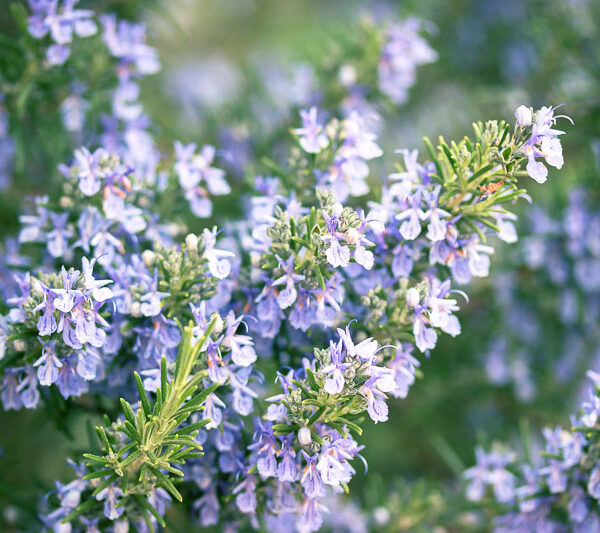
While rosemary is widely known as a culinary herb used to season meats, soups, breads, and roasted vegetables, its benefits extend into sensory and wellness practices.
When incorporated thoughtfully—whether in tea, culinary dishes, or aromatic oils—it can provide gentle support for mental clarity, relaxation, and emotional balance.
Rosemary is not a medical treatment, nor does it replace professional care for health conditions, but it offers a natural, simple way to enhance daily comfort and wellbeing through sensory engagement and mindful routines.
1. A Gentle Helper for Focus and Mental Freshness
One of rosemary’s most notable attributes is its ability to brighten the mind and promote mental alertness.
Its aroma, sharp yet herbaceous, has a way of lifting the spirit, much like stepping outside and taking in a deep breath of fresh air.
For older adults, particularly those who value mental sharpness and a sense of focus, rosemary can serve as a simple and accessible tool for supporting cognitive engagement.
Early research has explored rosemary’s natural compounds, including cineole, rosmarinic acid, and antioxidants, which appear to contribute to alertness and cognitive performance.
While these studies are preliminary and should not replace medical guidance, anecdotal evidence suggests that simply inhaling rosemary’s scent can create a sense of renewed clarity and mental presence.
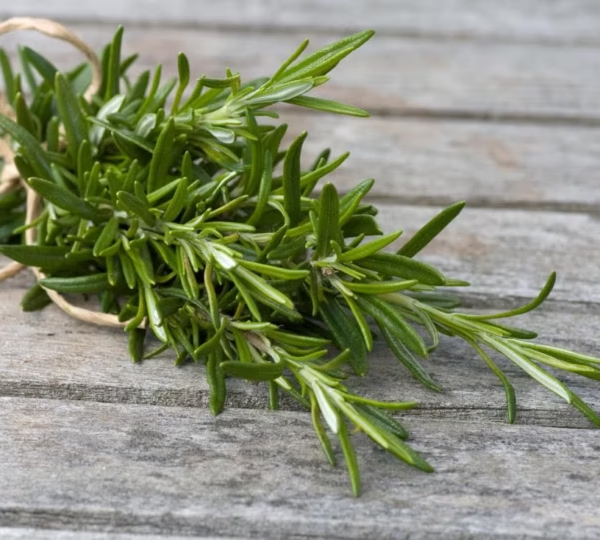
This can be as easy as keeping a small rosemary plant on a kitchen windowsill, brewing a cup of rosemary tea, or using a sprig in everyday cooking.
The act of engaging with rosemary is more than sensory—it can become a ritual.
Taking a few moments to focus on the herb’s fragrance encourages mindfulness, a practice that has been linked in numerous studies to reduced stress, improved mood, and heightened attention.
For many older adults, incorporating such rituals into daily life provides a grounded, gentle way to maintain cognitive alertness and a sense of mental freshness.
2. A Comforting Addition to Days That Feel Draining
Aging naturally brings days that feel heavier, slower, or more tiring. Rosemary, with its aromatic oils and natural compounds, can offer a subtle sense of revitalization and comfort during these times.
Steeping rosemary in tea, adding it to soups, or simmering it gently in warm water allows its scent and taste to fill the room, creating a soothing and comforting environment.
This quiet support is not the result of stimulation or caffeine-like energy, but rather comes from the herb’s gentle aroma and centuries-long association with wellness.
For people who have spent decades enjoying rosemary in traditional dishes, these moments carry an additional layer of familiarity and reassurance.
The plant’s fragrance can evoke pleasant memories, reinforce a sense of home, and provide a small yet meaningful source of daily comfort.
Moreover, rosemary’s warm and herbaceous qualities complement the body’s natural rhythms.
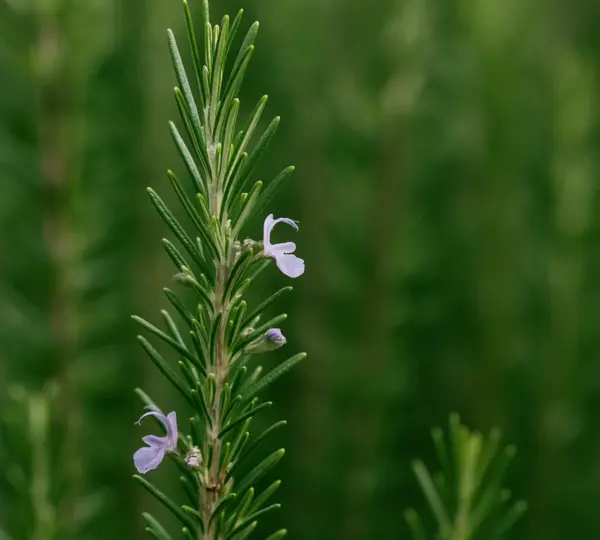
Drinking a warm cup of rosemary tea during a mid-morning break or mid-afternoon pause can provide a sensory reset, helping older adults transition from one task or activity to another with a little more ease and mental clarity.
3. Encouraging a Sense of Warmth and Physical Ease
Beyond mental and emotional benefits, rosemary can contribute to a comforting sense of physical warmth. Warm rosemary tea or diluted rosemary essential oil applied carefully to the skin can create a subtle warming effect.
Many people describe this sensation as pleasantly relaxing, particularly when muscles feel tense, joints ache, or cooler weather contributes to stiffness.
The effect may be partly psychological—the association between warmth, scent, and comfort is strong—but it can also be physically beneficial.
When combined with a few minutes of gentle stretching or light movement, rosemary’s aroma and warmth can enhance a sense of bodily relaxation, helping older adults maintain comfort and mobility.
This can be especially meaningful for those who spend long hours indoors or who appreciate small ways to care for their physical wellbeing without strenuous effort.
A warm bath infused with rosemary provides another avenue for relaxation. Adding dried rosemary or a few drops of rosemary essential oil blended with a carrier oil transforms an ordinary bath into a spa-like experience.
The combination of scent, warmth, and immersion can help soothe muscles, calm the nervous system, and create a quiet ritual of self-care.
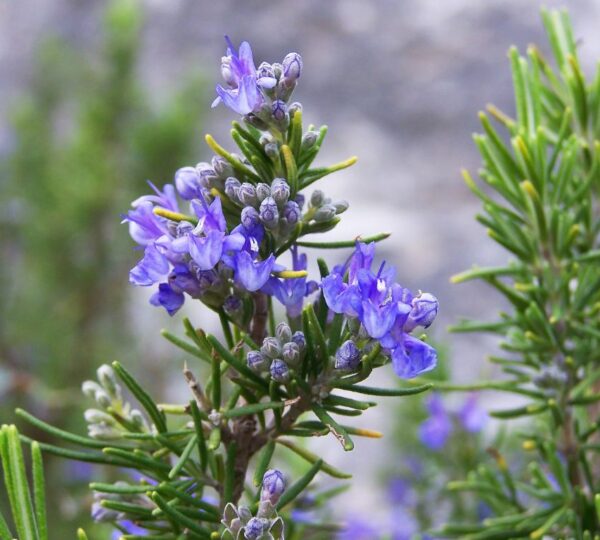
4. A Natural Way to Soothe the Mind and Lift the Spirit
While rosemary is often celebrated for its ability to invigorate the mind, it also possesses a gentle, calming quality that can help soothe mental fatigue.
Its evergreen aroma encourages a sense of steadiness and emotional balance, making it particularly valuable for older adults navigating life’s stresses or daily routines.
A few drops of rosemary essential oil in a diffuser, the gentle simmer of rosemary tea, or the simple act of brushing fresh rosemary sprigs between fingers can create a serene atmosphere reminiscent of a garden at dusk.
These sensory experiences provide more than a pleasant fragrance—they offer a moment to pause, breathe, and reconnect with the present.
For many older adults, these small rituals reinforce a sense of control and mindfulness, improving overall mood and emotional wellbeing.
Rosemary’s calming effect is enhanced when combined with other mindful practices. For example, enjoying rosemary tea alongside a few minutes of deep breathing or quiet reflection strengthens the sense of tranquility and groundedness.
This dual approach—engaging the senses while cultivating mindfulness—can help counteract stress, fatigue, and mental clutter.
Simple Ways to Enjoy Rosemary Every Day
Rosemary is versatile and can be integrated into daily routines in numerous ways. Here are practical suggestions for incorporating this aromatic herb into life for both enjoyment and wellbeing:
In Cooking
Sprinkle fresh or dried rosemary on roasted vegetables, potatoes, breads, or soups to enhance flavor and aroma.
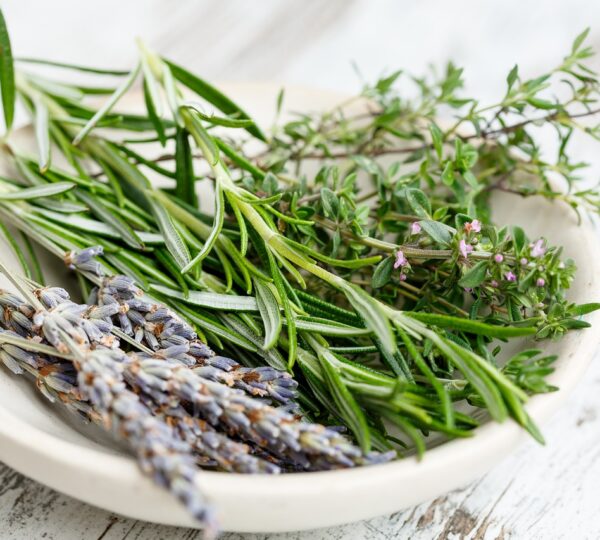
Combine rosemary with olive oil and garlic to create a simple, heart-healthy seasoning for meats or plant-based dishes.
Add rosemary stems to stocks or slow-cooked meals for a gentle infusion of fragrance and flavor.
As Tea
Steep a small amount of dried rosemary or a few fresh sprigs in hot water for several minutes.
Sip slowly, inhaling the aroma to support alertness and calm.
Pair with honey or lemon for added flavor and soothing qualities.
Aromatherapy
Use a diffuser with one or two drops of rosemary essential oil to lightly scent a room.
Combine rosemary oil with lavender or bergamot for a balanced, uplifting aroma.
Apply diluted rosemary oil to pulse points for personal enjoyment, ensuring proper dilution to prevent skin irritation.
Warm Bath or Compress
Add rosemary essential oil mixed with a carrier oil, or a handful of dried rosemary, to a warm bath for a soothing, spa-like experience.
Create a warm compress with rosemary tea for localized comfort, particularly for tense muscles or stiff joints.
Rosemary: A Simple Herb With a Timeless Message
Rosemary teaches a valuable lesson for those who appreciate life’s quieter wisdom: wellbeing is often found in small, mindful habits.
It reminds us that comfort, clarity, and a sense of balance do not always require elaborate solutions.
Sometimes, a sprig of rosemary, a fragrant cup of tea, or a few minutes of aromatic engagement can create subtle yet meaningful improvements in mood and focus.
Older adults, in particular, can benefit from integrating rosemary into daily routines. Its sensory qualities, combined with gentle rituals of mindfulness, create an accessible path to wellbeing.
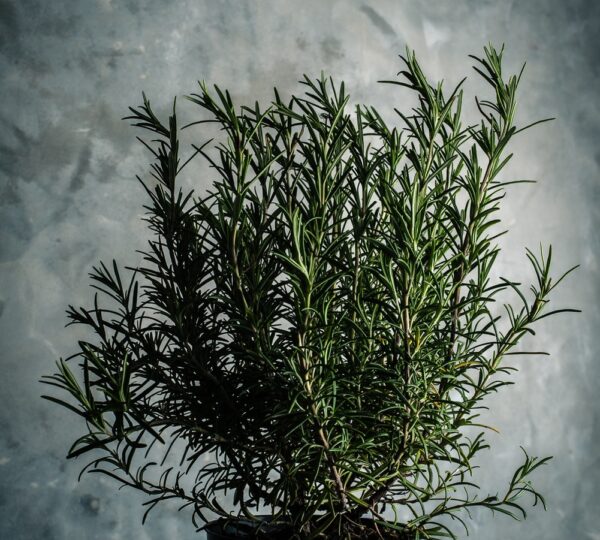
Rosemary encourages slowing down, paying attention, and reconnecting with the natural world. The act of smelling, tasting, or simply noticing its evergreen presence becomes a quiet, restorative practice.
In addition to its sensory and ritual benefits, rosemary can strengthen a sense of continuity and connection. For many, the herb evokes memories of childhood kitchens, family gatherings, and Mediterranean traditions.
These associations offer emotional grounding and comfort, reminding us that simple, consistent practices can sustain wellness across a lifetime.
Ultimately, rosemary is more than an herb; it is a companion to daily life. It encourages focus, soothes fatigue, warms the body, and lifts the spirit.
Its presence in kitchens, gardens, and personal rituals serves as a reminder that the natural world offers quiet ways to nurture mind, body, and soul.
By welcoming rosemary into everyday routines, older adults reconnect with gentle traditions, engage the senses, and cultivate a sense of presence.
It reinforces that wellbeing can be simple, intentional, and deeply satisfying—one leaf, one sprig, one mindful sip at a time.
Across generations, rosemary has held a quiet but steady place in kitchens, gardens, and cultural traditions. Its subtle yet distinctive fragrance has long been associated with memory, comfort, and clarity of mind.
For people living along the Mediterranean centuries ago, rosemary symbolized strength, renewal, and enduring vitality.
Ancient Greeks and Romans used it in rituals to honor the gods, in funeral rites, and even to crown scholars, associating the aromatic plant with remembrance, wisdom, and intellectual alertness.
Today, rosemary continues to play a meaningful role, particularly for older adults who enjoy its familiar aroma, culinary versatility, and the sense of calm and clarity it brings to everyday life.
Its appeal goes far beyond mere flavor, encompassing wellness practices, sensory enjoyment, and the subtle pleasures of tradition.
While rosemary is widely known as a culinary herb used to season meats, soups, breads, and roasted vegetables, its benefits extend into sensory and wellness practices.
When incorporated thoughtfully—whether in tea, culinary dishes, or aromatic oils—it can provide gentle support for mental clarity, relaxation, and emotional balance.
Rosemary is not a medical treatment, nor does it replace professional care for health conditions, but it offers a natural, simple way to enhance daily comfort and wellbeing through sensory engagement and mindful routines.
1. A Gentle Helper for Focus and Mental Freshness
One of rosemary’s most notable attributes is its ability to brighten the mind and promote mental alertness.
Its aroma, sharp yet herbaceous, has a way of lifting the spirit, much like stepping outside and taking in a deep breath of fresh air.
For older adults, particularly those who value mental sharpness and a sense of focus, rosemary can serve as a simple and accessible tool for supporting cognitive engagement.
Early research has explored rosemary’s natural compounds, including cineole, rosmarinic acid, and antioxidants, which appear to contribute to alertness and cognitive performance.
While these studies are preliminary and should not replace medical guidance, anecdotal evidence suggests that simply inhaling rosemary’s scent can create a sense of renewed clarity and mental presence.
This can be as easy as keeping a small rosemary plant on a kitchen windowsill, brewing a cup of rosemary tea, or using a sprig in everyday cooking.
The act of engaging with rosemary is more than sensory—it can become a ritual.
Taking a few moments to focus on the herb’s fragrance encourages mindfulness, a practice that has been linked in numerous studies to reduced stress, improved mood, and heightened attention.
For many older adults, incorporating such rituals into daily life provides a grounded, gentle way to maintain cognitive alertness and a sense of mental freshness.
2. A Comforting Addition to Days That Feel Draining
Aging naturally brings days that feel heavier, slower, or more tiring. Rosemary, with its aromatic oils and natural compounds, can offer a subtle sense of revitalization and comfort during these times.
Steeping rosemary in tea, adding it to soups, or simmering it gently in warm water allows its scent and taste to fill the room, creating a soothing and comforting environment.
This quiet support is not the result of stimulation or caffeine-like energy, but rather comes from the herb’s gentle aroma and centuries-long association with wellness.
For people who have spent decades enjoying rosemary in traditional dishes, these moments carry an additional layer of familiarity and reassurance.
The plant’s fragrance can evoke pleasant memories, reinforce a sense of home, and provide a small yet meaningful source of daily comfort.
Moreover, rosemary’s warm and herbaceous qualities complement the body’s natural rhythms.
Drinking a warm cup of rosemary tea during a mid-morning break or mid-afternoon pause can provide a sensory reset, helping older adults transition from one task or activity to another with a little more ease and mental clarity.
3. Encouraging a Sense of Warmth and Physical Ease
Beyond mental and emotional benefits, rosemary can contribute to a comforting sense of physical warmth. Warm rosemary tea or diluted rosemary essential oil applied carefully to the skin can create a subtle warming effect.
Many people describe this sensation as pleasantly relaxing, particularly when muscles feel tense, joints ache, or cooler weather contributes to stiffness.
The effect may be partly psychological—the association between warmth, scent, and comfort is strong—but it can also be physically beneficial.
When combined with a few minutes of gentle stretching or light movement, rosemary’s aroma and warmth can enhance a sense of bodily relaxation, helping older adults maintain comfort and mobility.
This can be especially meaningful for those who spend long hours indoors or who appreciate small ways to care for their physical wellbeing without strenuous effort.
A warm bath infused with rosemary provides another avenue for relaxation. Adding dried rosemary or a few drops of rosemary essential oil blended with a carrier oil transforms an ordinary bath into a spa-like experience.
The combination of scent, warmth, and immersion can help soothe muscles, calm the nervous system, and create a quiet ritual of self-care.
4. A Natural Way to Soothe the Mind and Lift the Spirit
While rosemary is often celebrated for its ability to invigorate the mind, it also possesses a gentle, calming quality that can help soothe mental fatigue.
Its evergreen aroma encourages a sense of steadiness and emotional balance, making it particularly valuable for older adults navigating life’s stresses or daily routines.
A few drops of rosemary essential oil in a diffuser, the gentle simmer of rosemary tea, or the simple act of brushing fresh rosemary sprigs between fingers can create a serene atmosphere reminiscent of a garden at dusk.
These sensory experiences provide more than a pleasant fragrance—they offer a moment to pause, breathe, and reconnect with the present.
For many older adults, these small rituals reinforce a sense of control and mindfulness, improving overall mood and emotional wellbeing.
Rosemary’s calming effect is enhanced when combined with other mindful practices. For example, enjoying rosemary tea alongside a few minutes of deep breathing or quiet reflection strengthens the sense of tranquility and groundedness.
This dual approach—engaging the senses while cultivating mindfulness—can help counteract stress, fatigue, and mental clutter.
Simple Ways to Enjoy Rosemary Every Day
Rosemary is versatile and can be integrated into daily routines in numerous ways. Here are practical suggestions for incorporating this aromatic herb into life for both enjoyment and wellbeing:
In Cooking
Sprinkle fresh or dried rosemary on roasted vegetables, potatoes, breads, or soups to enhance flavor and aroma.
Combine rosemary with olive oil and garlic to create a simple, heart-healthy seasoning for meats or plant-based dishes.
Add rosemary stems to stocks or slow-cooked meals for a gentle infusion of fragrance and flavor.
As Tea
Steep a small amount of dried rosemary or a few fresh sprigs in hot water for several minutes.
Sip slowly, inhaling the aroma to support alertness and calm.
Pair with honey or lemon for added flavor and soothing qualities.
Aromatherapy
Use a diffuser with one or two drops of rosemary essential oil to lightly scent a room.
Combine rosemary oil with lavender or bergamot for a balanced, uplifting aroma.
Apply diluted rosemary oil to pulse points for personal enjoyment, ensuring proper dilution to prevent skin irritation.
Warm Bath or Compress
Add rosemary essential oil mixed with a carrier oil, or a handful of dried rosemary, to a warm bath for a soothing, spa-like experience.
Create a warm compress with rosemary tea for localized comfort, particularly for tense muscles or stiff joints.
Rosemary: A Simple Herb With a Timeless Message
Rosemary teaches a valuable lesson for those who appreciate life’s quieter wisdom: wellbeing is often found in small, mindful habits.
It reminds us that comfort, clarity, and a sense of balance do not always require elaborate solutions.
Sometimes, a sprig of rosemary, a fragrant cup of tea, or a few minutes of aromatic engagement can create subtle yet meaningful improvements in mood and focus.
Older adults, in particular, can benefit from integrating rosemary into daily routines. Its sensory qualities, combined with gentle rituals of mindfulness, create an accessible path to wellbeing.
Rosemary encourages slowing down, paying attention, and reconnecting with the natural world. The act of smelling, tasting, or simply noticing its evergreen presence becomes a quiet, restorative practice.
In addition to its sensory and ritual benefits, rosemary can strengthen a sense of continuity and connection. For many, the herb evokes memories of childhood kitchens, family gatherings, and Mediterranean traditions.
These associations offer emotional grounding and comfort, reminding us that simple, consistent practices can sustain wellness across a lifetime.
Ultimately, rosemary is more than an herb; it is a companion to daily life. It encourages focus, soothes fatigue, warms the body, and lifts the spirit.
Its presence in kitchens, gardens, and personal rituals serves as a reminder that the natural world offers quiet ways to nurture mind, body, and soul.
By welcoming rosemary into everyday routines, older adults reconnect with gentle traditions, engage the senses, and cultivate a sense of presence.
It reinforces that wellbeing can be simple, intentional, and deeply satisfying—one leaf, one sprig, one mindful sip at a time.


