...

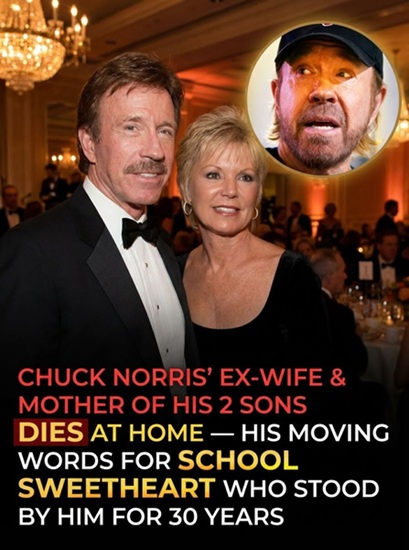
Hollywood Mourns Dianne Holechek, a Quiet Force Behind the Scenes, Who Dies at 84

Dianne Kay Holechek lived a life shaped by quiet devotion, resilience through changing circumstances, and a commitment to family that endured long after Hollywood’s bright lights shone elsewhere.

She passed away peacefully at the age of 84 on December 21, 2025, surrounded by loved ones in her Texas home after a prolonged struggle with dementia.

Her eldest son Mike Norris confirmed.  Her death has prompted thoughtful remembrance from family, friends, and those who admired the steady strength she embodied.

Not as a celebrity in the public eye, but as a devoted mother, supportive partner, and steadfast presence in the lives of those she loved.

Born Dianne Kay Holechek on November 27, 1941, in Los Angeles, California, she met her future husband Carlos Ray “Chuck” Norris during their teenage years at North High School in Torrance, California.
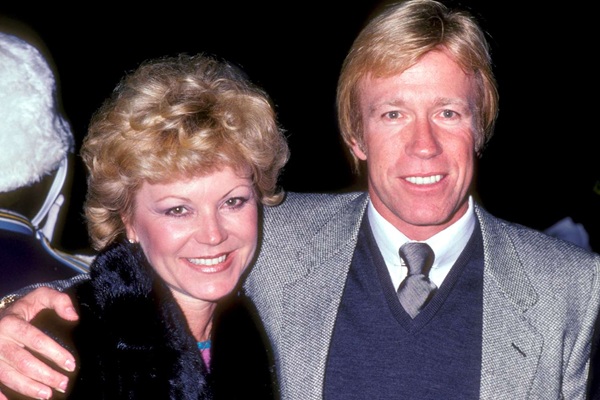
Despite having taken very different paths later in life, the two would share one of the longest chapters of their lives together.

They began dating as high school students, and in December 1958, when she was just 17 and he was 18, they married in a traditional ceremony, marking the beginning of a partnership that would span three decades.

In those early years, their lives were far from the glamour and renown that would later characterize Norris’s public persona.

Chuck Norris served in the United States Air Force, during which time he began his lifelong dedication to martial arts, a passion that would eventually serve as the foundation of his future career.

Meanwhile, Dianne focused on building a stable home, raising a family, and supporting her husband’s ambitions as they navigated the challenges of early adult life together.

Family was central to Dianne’s identity. She and Chuck welcomed two sons:

Mike Norris in 1962, and Eric Norris in 1965.

Both boys grew up immersed in a world where their father’s career was increasingly in the public eye.

Mike would go on to become an actor and stunt performer in Hollywood, and Eric would pursue professional racing, including NASCAR, before becoming a respected stunt coordinator and driver in film and television.

Throughout these years, Dianne was regarded by those around her as the steady core of the family, guiding her sons with patience and generosity as their lives took shape.
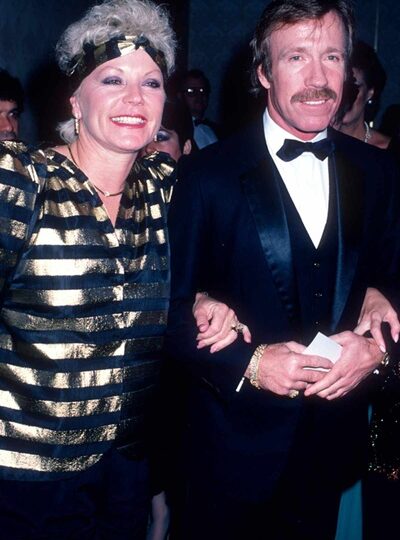
While Norris’s career was ascending — from martial arts championships to memorable film roles and eventually widespread fame through projects like Walker, Texas Ranger — Dianne largely chose a path away from the spotlight.

Her public appearances were rare, thoughtful, and deliberate. She focused her energy on creating a grounded family life, tending to the everyday moments that often go unnoticed but are deeply formative:

school events, family dinners, quiet encouragement during setbacks, and laughter shared around the kitchen table.

Life was not without its challenges.

During their marriage, Norris acknowledged in later years that he had fathered a daughter from an extramarital relationship while serving in the Air Force, a revelation that added complexity to an already demanding life under public scrutiny.

Despite such difficulties, Dianne continued to meet life’s demands with dignity, maintaining a focus on her sons’ wellbeing even as her own emotional resilience was tested.

After 30 years of marriage, Dianne and Chuck announced their separation in 1988, with their divorce finalized the following year.

Yet even in the face of changing relationships, the two maintained a respectful and enduring connection rooted in mutual history and shared parenthood.

Unlike many couples with high‑profile pasts, they continued to support one another as friends, honoring the family they had raised together and the years they had shared.
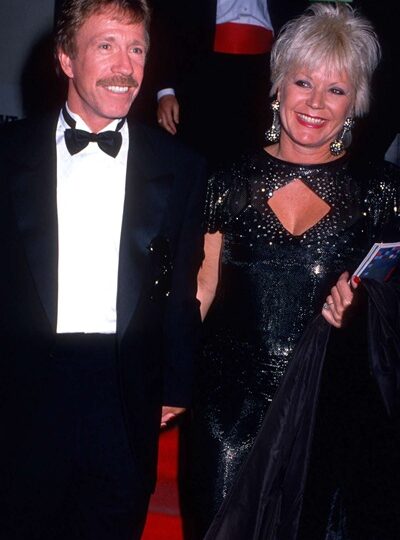
In the decades after their separation, Dianne chose to live a more private life.

She declined to follow the uncertain currents of celebrity culture, instead focusing on the things that mattered most to her:

her family, her home, and the bonds of love and kindness that she cultivated with deliberate care.

Her influence was felt not only in the lives of her sons but in the broader circles of friends and relatives who knew her warmth, her calm steadiness, and her ability to navigate life’s ups and downs with grace.

In her final years, Dianne faced a difficult battle with dementia, a progressive brain disease that gradually eroded memory and daily functioning.

It was a long journey for a woman who had lived fiercely in support of others, and family members have expressed profound gratitude that she passed peacefully at home, free from further suffering.

Her son Mike shared with media that they felt fortunate she was no longer in pain and that her legacy as “the best, the greatest mom” would continue to be cherished by all who knew her.

Following her passing, Chuck Norris — now 85 — issued a heartfelt tribute that underscored the long and meaningful connection they shared.

In his tribute, he called Dianne “an incredible person,” noting her kindness, intelligence, and her capacity to live life to the fullest, even amid personal struggles and changing chapters.
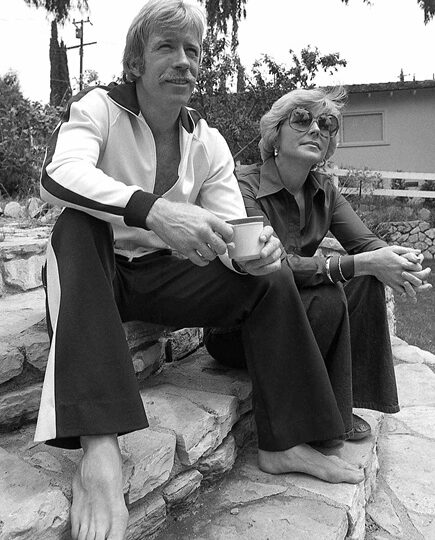
He emphasized that her greatest pride was their two children, and that her presence in his life would never be forgotten.

He also expressed deep appreciation for the friendship they maintained long after their marriage had ended.

Stories shared by family members paint a portrait of a woman who was both humble and strong, someone whose daily acts of love and sacrifice helped shape the character of those around her.

Grandchildren remember her warmth and affection, friends remember her loyalty and gentle spirit, and her sons recall her unwavering dedication even in moments that tested her endurance.

Though she never sought recognition, her influence was deeply felt, and her example of quiet perseverance remains a part of the family narrative.

Dianne Holechek’s life reminds us that some of the most meaningful legacies are built not in the glare of publicity but in the steadfast, often unseen work of nurturing others.

Her story — rooted in early love, shaped by decades of family life, and sustained through friendship and resilience — reflects the quiet power of commitment, the enduring value of compassion, and the profound importance of standing with loved ones through all seasons of life.
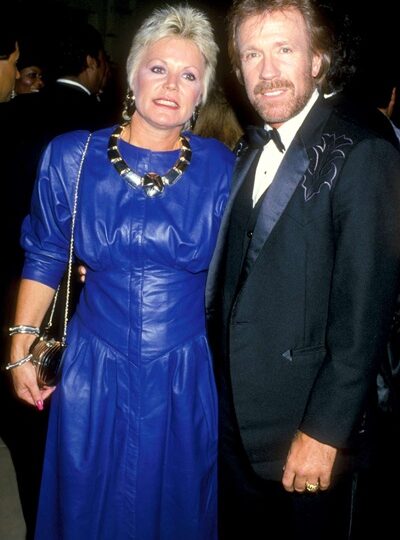
Although her name will forever be linked in public memory with one of Hollywood’s most recognizable figures, those who knew her best will remember her simply as Dianne:

a loving mother, a loyal friend, a woman of heart and intellect, and someone whose steady presence made the world better for the people she held closest.

Dianne Kay Holechek lived a life shaped by quiet devotion, resilience through changing circumstances, and a commitment to family that endured long after Hollywood’s bright lights shone elsewhere.

She passed away peacefully at the age of 84 on December 21, 2025, surrounded by loved ones in her Texas home after a prolonged struggle with dementia.

Her eldest son Mike Norris confirmed.  Her death has prompted thoughtful remembrance from family, friends, and those who admired the steady strength she embodied.

Not as a celebrity in the public eye, but as a devoted mother, supportive partner, and steadfast presence in the lives of those she loved.

Born Dianne Kay Holechek on November 27, 1941, in Los Angeles, California, she met her future husband Carlos Ray “Chuck” Norris during their teenage years at North High School in Torrance, California.

Despite having taken very different paths later in life, the two would share one of the longest chapters of their lives together.

They began dating as high school students, and in December 1958, when she was just 17 and he was 18, they married in a traditional ceremony, marking the beginning of a partnership that would span three decades.

In those early years, their lives were far from the glamour and renown that would later characterize Norris’s public persona.

Chuck Norris served in the United States Air Force, during which time he began his lifelong dedication to martial arts, a passion that would eventually serve as the foundation of his future career.

Meanwhile, Dianne focused on building a stable home, raising a family, and supporting her husband’s ambitions as they navigated the challenges of early adult life together.

Family was central to Dianne’s identity. She and Chuck welcomed two sons:

Mike Norris in 1962, and Eric Norris in 1965.

Both boys grew up immersed in a world where their father’s career was increasingly in the public eye.

Mike would go on to become an actor and stunt performer in Hollywood, and Eric would pursue professional racing, including NASCAR, before becoming a respected stunt coordinator and driver in film and television.

Throughout these years, Dianne was regarded by those around her as the steady core of the family, guiding her sons with patience and generosity as their lives took shape.

While Norris’s career was ascending — from martial arts championships to memorable film roles and eventually widespread fame through projects like Walker, Texas Ranger — Dianne largely chose a path away from the spotlight.

Her public appearances were rare, thoughtful, and deliberate. She focused her energy on creating a grounded family life, tending to the everyday moments that often go unnoticed but are deeply formative:

school events, family dinners, quiet encouragement during setbacks, and laughter shared around the kitchen table.

Life was not without its challenges.

During their marriage, Norris acknowledged in later years that he had fathered a daughter from an extramarital relationship while serving in the Air Force, a revelation that added complexity to an already demanding life under public scrutiny.

Despite such difficulties, Dianne continued to meet life’s demands with dignity, maintaining a focus on her sons’ wellbeing even as her own emotional resilience was tested.

After 30 years of marriage, Dianne and Chuck announced their separation in 1988, with their divorce finalized the following year.

Yet even in the face of changing relationships, the two maintained a respectful and enduring connection rooted in mutual history and shared parenthood.

Unlike many couples with high‑profile pasts, they continued to support one another as friends, honoring the family they had raised together and the years they had shared.

In the decades after their separation, Dianne chose to live a more private life.

She declined to follow the uncertain currents of celebrity culture, instead focusing on the things that mattered most to her:

her family, her home, and the bonds of love and kindness that she cultivated with deliberate care.

Her influence was felt not only in the lives of her sons but in the broader circles of friends and relatives who knew her warmth, her calm steadiness, and her ability to navigate life’s ups and downs with grace.

In her final years, Dianne faced a difficult battle with dementia, a progressive brain disease that gradually eroded memory and daily functioning.

It was a long journey for a woman who had lived fiercely in support of others, and family members have expressed profound gratitude that she passed peacefully at home, free from further suffering.

Her son Mike shared with media that they felt fortunate she was no longer in pain and that her legacy as “the best, the greatest mom” would continue to be cherished by all who knew her.

Following her passing, Chuck Norris — now 85 — issued a heartfelt tribute that underscored the long and meaningful connection they shared.

In his tribute, he called Dianne “an incredible person,” noting her kindness, intelligence, and her capacity to live life to the fullest, even amid personal struggles and changing chapters.

He emphasized that her greatest pride was their two children, and that her presence in his life would never be forgotten.

He also expressed deep appreciation for the friendship they maintained long after their marriage had ended.

Stories shared by family members paint a portrait of a woman who was both humble and strong, someone whose daily acts of love and sacrifice helped shape the character of those around her.

Grandchildren remember her warmth and affection, friends remember her loyalty and gentle spirit, and her sons recall her unwavering dedication even in moments that tested her endurance.

Though she never sought recognition, her influence was deeply felt, and her example of quiet perseverance remains a part of the family narrative.

Dianne Holechek’s life reminds us that some of the most meaningful legacies are built not in the glare of publicity but in the steadfast, often unseen work of nurturing others.

Her story — rooted in early love, shaped by decades of family life, and sustained through friendship and resilience — reflects the quiet power of commitment, the enduring value of compassion, and the profound importance of standing with loved ones through all seasons of life.

Although her name will forever be linked in public memory with one of Hollywood’s most recognizable figures, those who knew her best will remember her simply as Dianne:

a loving mother, a loyal friend, a woman of heart and intellect, and someone whose steady presence made the world better for the people she held closest.