...

At 26, Parkland Survivor Donovan Metayer Dies, Reminding Us of Trauma’s Long-Term Consequences

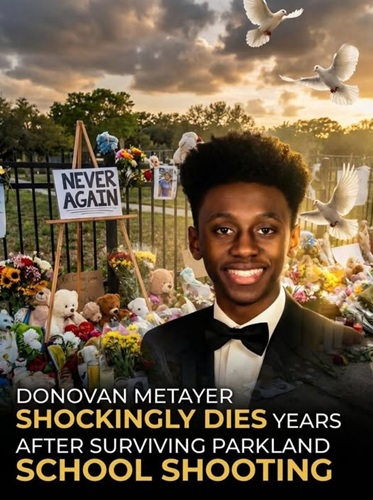
In December 2025, the community that still carries the echoes of one of the deadliest school shootings in modern American history was confronted with a profoundly sorrowful reminder:

surviving an act of mass violence does not end the struggle that begins with it. On December 15, Donovan Joshua Leigh Metayer, a survivor of the February 14, 2018.

Mass shooting at Marjory Stoneman Douglas High School in Parkland, Florida, died by suicide at the age of 26, his family announced.

Donovan’s passing has drawn renewed attention to the enduring effects of trauma, the persistent challenges faced by survivors, and the urgent need for sustained, compassionate support long after the headlines fade.

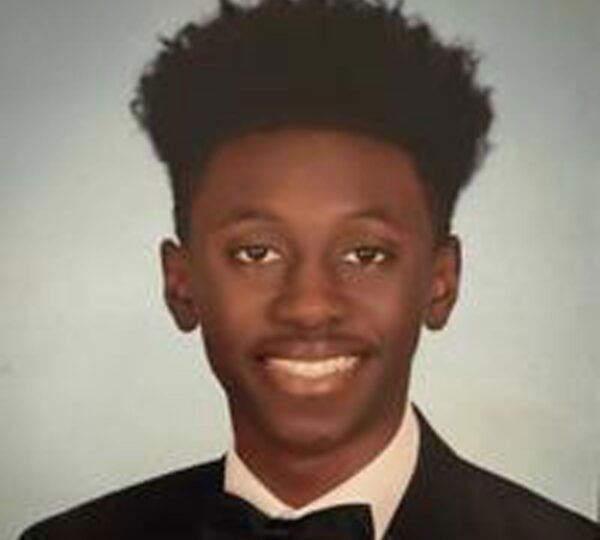
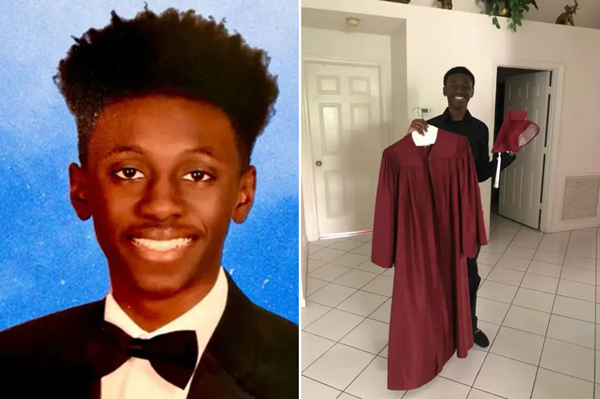
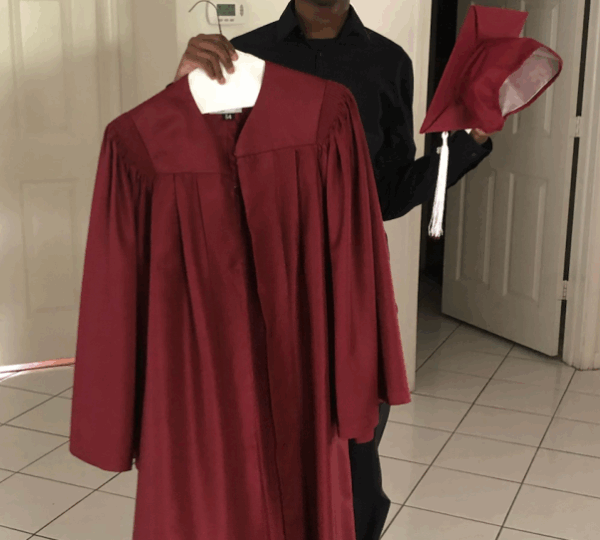
Donovan, affectionately known as “Donny,” was a senior at Marjory Stoneman Douglas High School when a gunman opened fire on Valentine’s Day 2018, killing 17 students and staff members and injuring many others in one of the deadliest school shootings in U.S. history.
The massacre abruptly transformed the lives of students, educators, and families, and sparked nationwide debates over school safety, gun policy, and mental health services.

In the immediate months after the shooting, Donovan’s family says the young man began to change. Once described as thoughtful, bright, curious, and brimming with potential, he began withdrawing from friends and activities he once enjoyed.

According to relatives, depression, guilt, emotional instability, and long periods of isolation replaced the vibrant young man they had known.

Though he had once dreamed of attending college and pursuing a career in computer science, the emotional toll of the trauma made these ambitions increasingly difficult to realize.

Over the years that followed, Donovan faced profound mental health struggles, including episodes of severe psychological distress and periods of hospitalization.
His family said he was diagnosed with schizophrenia—a chronic mental health condition that he battled for several years after the attack.

Like many individuals living with serious psychiatric illness, he faced a complex journey with treatment, therapy, medication, and the daily effort to manage symptoms in a world that offers limited support.

The family shared that Donovan was hospitalized multiple times for suicidal ideation and had at times been held for emergency mental health treatment under Florida’s Baker Act, a law that allows temporary involuntary psychiatric intervention for individuals in crisis.

This episode also included a Risk Protection Order that temporarily prevented him from purchasing a firearm — one of several legal tools intended to protect individuals during moments of acute risk.
In the years that followed these struggles, Donovan began to find some stability. He earned an information technology (IT) certificate, began working at Office Depot in Coral Springs, and was promoted—milestones that brought pride and hope to his family.

He also worked with mental health professionals, including a private psychiatrist and the Henderson Behavioral Health Clinic, which his family described as a “lifeline” that offered care, understanding, and continuity of support.

Despite these strides, Donovan’s long battle with schizophrenia and the lingering effects of trauma remained a daily reality. In early December 2025, his family learned that a long‑standing Risk Protection Order had lapsed.

With the legal restriction no longer in place, Donovan purchased a handgun at a local gun shop. A week later, he took his own life in the family home. His passing came just weeks before his 27th birthday.

In announcing their son’s death, Donovan’s family emphasized that the loss was not just deeply personal, but tragically familiar.
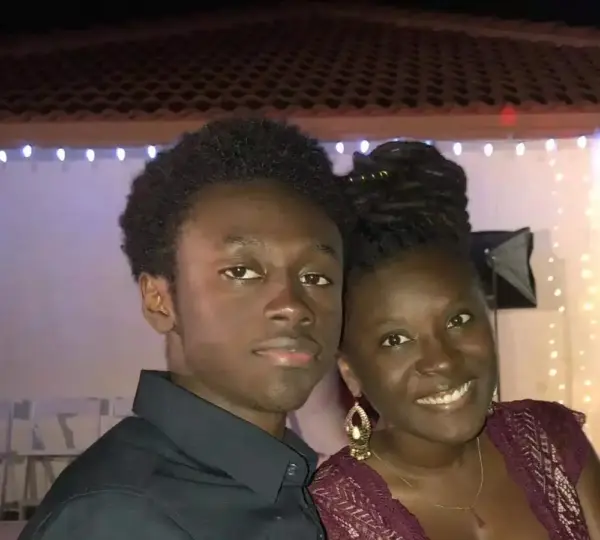
They described it as a heartbreaking reminder of the national mental health crisis affecting young people, the “lasting trauma of gun violence,” and the significant gaps in the systems meant to help those in need.

They shared that the wounds inflicted by mass violence do not disappear once the shooters are arrested, the cameras leave, or the news cycle moves on.

Instead, the pain can remain private, ongoing, and invisible to many outside the family and community directly affected.

The Metayer family has chosen to speak openly about Donovan’s experience in hopes of breaking the silence that often surrounds mental illness and trauma.

They are raising funds through a GoFundMe campaign to cover funeral expenses and to establish a mental health fund in Donovan’s name to support individuals and families who face similar behavioral health challenges.

Through this effort, they hope to expand access to care, reduce stigma, and remind others that survivors of violence may continue to need help long after the initial event.
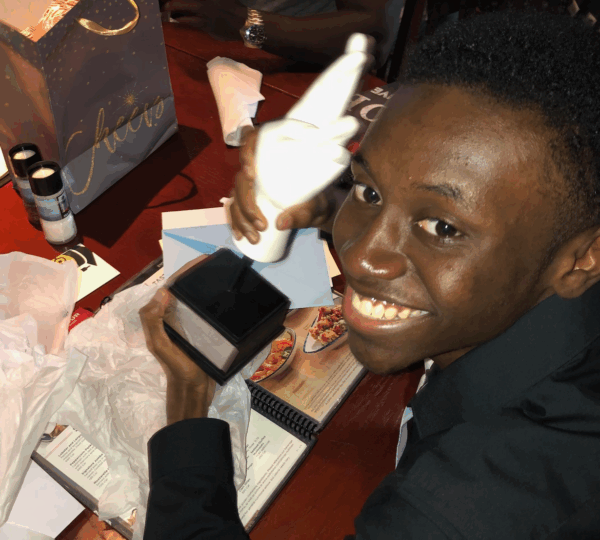
Donovan’s story has drawn comparisons to other survivors of mass violence whose struggles continued long after they escaped physical harm.

It underscores a truth often overlooked amid public responses to mass shootings: survival does not guarantee healing, closure, or resilience in the traditional sense.

In many cases, it marks the beginning of a lifelong negotiation with fear, loss, psychological injury, and the quest for meaning in a world that has been irrevocably changed.

Friends, classmates, and community members have shared memories of Donovan as a person whose humor and warmth could brighten a room, and whose potential seemed boundless before the weight of trauma took hold.

They remember him not only for his sharp intellect and technological promise, but for the kindness and curiosity that marked his youth.

Mental health advocates say Donovan’s experience reflects broader systemic challenges — from limited access to long‑term psychiatric support, to societal stigma around mental illness, to the patchwork nature of resources available to young adults.

Experts note that while immediate crisis intervention is critical, ongoing care and community support are often lacking for those who survive traumatic events but continue to grapple with their consequences.

As his family grieves, they have called on lawmakers, health professionals, and communities to recognize that honoring survivors means more than remembrance—it means sustained commitment to care, compassion, and resources that extend far beyond the moments of national outrage and media attention.

They hope that by keeping Donovan’s story alive, others who are struggling will feel seen, understood, and supported.

Donovan’s death is a stark reminder that the effects of mass violence ripple outward in ways that are deeply personal and often hidden, affecting not only those killed on that tragic day, but also those who lived through it and carried its weight for years after.

In remembering him, many are urging a broader cultural and political conversation — one that acknowledges not only the physical devastation of mass shootings, but also the emotional and psychological toll that can last a lifetime.

In December 2025, the community that still carries the echoes of one of the deadliest school shootings in modern American history was confronted with a profoundly sorrowful reminder:

surviving an act of mass violence does not end the struggle that begins with it. On December 15, Donovan Joshua Leigh Metayer, a survivor of the February 14, 2018.

Mass shooting at Marjory Stoneman Douglas High School in Parkland, Florida, died by suicide at the age of 26, his family announced.

Donovan’s passing has drawn renewed attention to the enduring effects of trauma, the persistent challenges faced by survivors, and the urgent need for sustained, compassionate support long after the headlines fade.

Donovan, affectionately known as “Donny,” was a senior at Marjory Stoneman Douglas High School when a gunman opened fire on Valentine’s Day 2018, killing 17 students and staff members and injuring many others in one of the deadliest school shootings in U.S. history.

The massacre abruptly transformed the lives of students, educators, and families, and sparked nationwide debates over school safety, gun policy, and mental health services.

In the immediate months after the shooting, Donovan’s family says the young man began to change. Once described as thoughtful, bright, curious, and brimming with potential, he began withdrawing from friends and activities he once enjoyed.

According to relatives, depression, guilt, emotional instability, and long periods of isolation replaced the vibrant young man they had known.

Though he had once dreamed of attending college and pursuing a career in computer science, the emotional toll of the trauma made these ambitions increasingly difficult to realize.

Over the years that followed, Donovan faced profound mental health struggles, including episodes of severe psychological distress and periods of hospitalization.

His family said he was diagnosed with schizophrenia—a chronic mental health condition that he battled for several years after the attack.

Like many individuals living with serious psychiatric illness, he faced a complex journey with treatment, therapy, medication, and the daily effort to manage symptoms in a world that offers limited support.

The family shared that Donovan was hospitalized multiple times for suicidal ideation and had at times been held for emergency mental health treatment under Florida’s Baker Act, a law that allows temporary involuntary psychiatric intervention for individuals in crisis.

This episode also included a Risk Protection Order that temporarily prevented him from purchasing a firearm — one of several legal tools intended to protect individuals during moments of acute risk.

In the years that followed these struggles, Donovan began to find some stability. He earned an information technology (IT) certificate, began working at Office Depot in Coral Springs, and was promoted—milestones that brought pride and hope to his family.

He also worked with mental health professionals, including a private psychiatrist and the Henderson Behavioral Health Clinic, which his family described as a “lifeline” that offered care, understanding, and continuity of support.

Despite these strides, Donovan’s long battle with schizophrenia and the lingering effects of trauma remained a daily reality. In early December 2025, his family learned that a long‑standing Risk Protection Order had lapsed.

With the legal restriction no longer in place, Donovan purchased a handgun at a local gun shop. A week later, he took his own life in the family home. His passing came just weeks before his 27th birthday.

In announcing their son’s death, Donovan’s family emphasized that the loss was not just deeply personal, but tragically familiar.

They described it as a heartbreaking reminder of the national mental health crisis affecting young people, the “lasting trauma of gun violence,” and the significant gaps in the systems meant to help those in need.

They shared that the wounds inflicted by mass violence do not disappear once the shooters are arrested, the cameras leave, or the news cycle moves on.

Instead, the pain can remain private, ongoing, and invisible to many outside the family and community directly affected.

The Metayer family has chosen to speak openly about Donovan’s experience in hopes of breaking the silence that often surrounds mental illness and trauma.

They are raising funds through a GoFundMe campaign to cover funeral expenses and to establish a mental health fund in Donovan’s name to support individuals and families who face similar behavioral health challenges.

Through this effort, they hope to expand access to care, reduce stigma, and remind others that survivors of violence may continue to need help long after the initial event.

Donovan’s story has drawn comparisons to other survivors of mass violence whose struggles continued long after they escaped physical harm.

It underscores a truth often overlooked amid public responses to mass shootings: survival does not guarantee healing, closure, or resilience in the traditional sense.

In many cases, it marks the beginning of a lifelong negotiation with fear, loss, psychological injury, and the quest for meaning in a world that has been irrevocably changed.

Friends, classmates, and community members have shared memories of Donovan as a person whose humor and warmth could brighten a room, and whose potential seemed boundless before the weight of trauma took hold.

They remember him not only for his sharp intellect and technological promise, but for the kindness and curiosity that marked his youth.

Mental health advocates say Donovan’s experience reflects broader systemic challenges — from limited access to long‑term psychiatric support, to societal stigma around mental illness, to the patchwork nature of resources available to young adults.

Experts note that while immediate crisis intervention is critical, ongoing care and community support are often lacking for those who survive traumatic events but continue to grapple with their consequences.

As his family grieves, they have called on lawmakers, health professionals, and communities to recognize that honoring survivors means more than remembrance—it means sustained commitment to care, compassion, and resources that extend far beyond the moments of national outrage and media attention.

They hope that by keeping Donovan’s story alive, others who are struggling will feel seen, understood, and supported.

Donovan’s death is a stark reminder that the effects of mass violence ripple outward in ways that are deeply personal and often hidden, affecting not only those killed on that tragic day, but also those who lived through it and carried its weight for years after.

In remembering him, many are urging a broader cultural and political conversation — one that acknowledges not only the physical devastation of mass shootings, but also the emotional and psychological toll that can last a lifetime.