...

A Father, His Weekend Ritual, and the Daughter Who Altered His Future

Every Saturday morning in Phoenix, when the first light of dawn stretched across the red earth and the desert sky softened to gentle hues of pink and gold, Michael Rowan followed the same quiet, familiar path into Greenwood Hill Memorial Gardens.

For two long years, without fail, he walked through the wrought-iron gates carrying a bouquet of fresh white lilies, moving with the deliberate, subdued steps of a man attempting to hold himself together.

The weight he carried was not merely physical—it was the immeasurable burden of loss, uncertainty, and the helpless longing for his two young daughters, Ava and Lily, who had disappeared from his life under circumstances that remained agonizingly unclear.

Michael Rowan was not always a man defined by grief. For years, he had been one of the most energetic and successful business owners in Arizona.

His company, Rowan Supplies, had served construction sites across Phoenix, Tucson, and the surrounding areas, and he thrived on the combination of long days, ambitious projects, and the satisfaction of building something tangible from hard work.

He had been the kind of man whose confidence radiated, whose laughter filled rooms, and whose presence commanded attention.
But after losing contact with Ava and Lily, everything in his life grew dim. The vibrant energy that had defined him seemed to vanish, replaced by the quiet shadows of despair and longing.

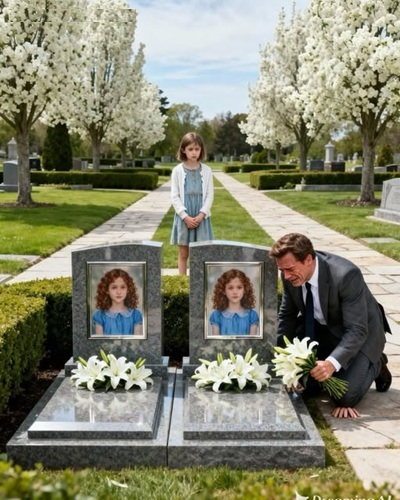
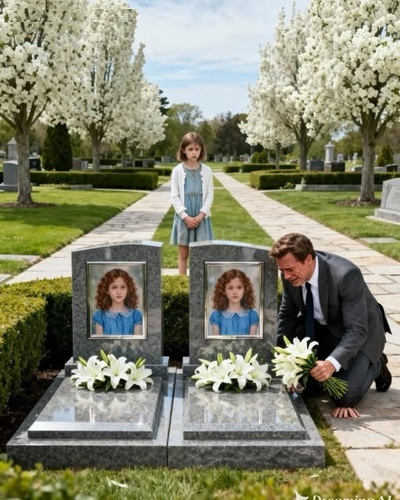
At the memorial site, two matching marble markers stood side by side, etched with the names of his daughters.

He had placed them there when the official reports confirmed that a severe out-of-state incident had separated him from his children permanently.

No clear answers, no certainties, no hope of reaching them—only the cold, hard truth as it had been reported.

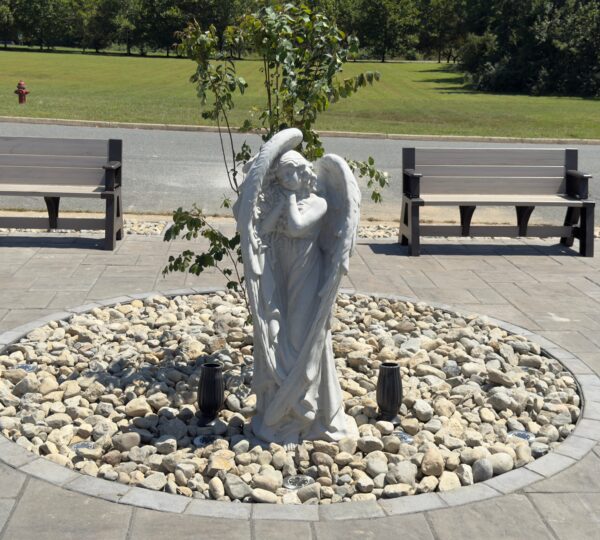
The markers were his only connection, a private sanctuary where he could speak to them, honor them, and find some fragile sense of forward motion in a world that had otherwise seemed to stop.

Every Saturday, Michael performed the same ritual. He knelt before the stones, wiping away dust with a soft cloth, arranging the lilies with care, and sitting on the nearby bench.

“Hi, my girls,” he whispered each time. “Dad’s here.” The words felt small against the enormity of the absence, but they were a lifeline.

He talked to them about the weather, the moments he wished he could redo, the memories that pulled at his heart, and the trivial daily happenings that now felt impossibly significant. He spoke because the silence of grief was unbearable.

A Family Torn Apart

Before the weight of loss descended, Michael’s life had been filled with laughter, love, and ordinary family chaos. Ava and Lily were identical twins, their bright eyes and matching curls reflecting the spark of their father’s own vitality.

They were the center of Michael’s world. But like so many families, challenges grew over time. Arguments with his wife, Hannah, gradually eroded their relationship, eventually leading to divorce.

Hannah relocated with the girls from their comfortable Scottsdale home to a modest rental on the outskirts of Albuquerque, citing a desire for a quieter, more manageable life.

Michael reluctantly accepted the arrangement, clinging to the hope that he could still see his daughters regularly.

Everything changed one fateful night. Michael received a call informing him that a serious highway incident had occurred and that authorities believed Hannah and the children had been involved.

The details were sketchy, fragmentary, and alarming. While records and belongings were recovered, they offered no clarity, only hints and speculation.

Overwhelmed by the official reports and unable to make sense of what he was hearing, Michael accepted the assumptions laid before him.

In his grief, he arranged a memorial service so elaborate, so saturated with flowers and remembrance, that it seemed almost surreal. He mourned as though he would never hear their voices again.

The Little Girl at the Marble Markers

Then, two years later, the world shifted in a way Michael could never have anticipated.

It was a quiet Saturday morning, the sun low over the desert horizon, when he gently wiped dust from the marble markers. A small voice interrupted his ritual. “Sir… excuse me?”

Michael turned, initially irritated at the unexpected intrusion. Standing before him was a thin little girl, wearing worn shoes and an apologetic, nervous expression.

“What is it?” he asked, his voice edged with fatigue.

The girl swallowed hard. “It’s about… these girls.”

Michael frowned. “What about them?”

“They’re not… here,” she said softly. “They live on my street.”

For a moment, the world seemed impossibly still. Michael’s chest tightened, his pulse raced. “What did you say?” he whispered, disbelief catching in his throat.

The girl pointed to the names on the markers. “I know these names. There’s a lady who calls for two girls who look just like these. They live in a little blue house. I see them all the time.”

Michael’s heart pounded. “Are you making this up?” he asked, his voice tight.

“No, sir,” she said, her eyes glistening with sincerity. “My mom’s sick. I just want a little help for her. I’m not lying.”

For a moment, he almost walked away. Almost. But the honesty in her eyes held him rooted in place.

“How much do you need?” he asked quietly.

“Twenty dollars,” she murmured.

Michael handed her a hundred, his hands shaking. “Show me where they live. If you’re telling the truth, I’ll give you much more.”

“You’ll see,” she promised.

The Small Blue House

Following her directions, Michael drove across town, each mile sending his anxiety higher.

When they stopped in front of a worn blue house with peeling paint and a yard scattered with old toys, a strange mix of dread and hope gripped him.

He approached the door and knocked. Once. Twice. Three times.

A faint shuffle came from within before the door creaked open. Hannah stood there—pale, nervous, alive. The air seemed to leave his lungs.

Inside, two little girls sat on a couch—wide-eyed, clutching each other tightly. Ava and Lily. Real. Present. Looking back at him.

“Dad?” Ava whispered.

For Michael, relief, shock, joy, and a wave of sorrow collided in a single instant. They didn’t run to him. They didn’t remember him. But they were here.

The Cost of Secrets

Hannah, trembling, explained the impossible choices that had driven her actions. Overwhelmed by debt, pressure, and fear, she had believed she could not protect the girls without disappearing. In the chaos that followed, records were muddled, and Michael had been left believing the worst.

“I was trying to keep them safe,” she said, tears streaking her face.

“You kept them hidden from the person who loved them most,” Michael replied, voice trembling.

The girls cried softly, uncertain and frightened. Michael stepped outside to catch his breath. The little girl who had guided him—Maddie—waited quietly by the fence.

“You weren’t lying,” he said, handing her every dollar he had with him. “This will help your mother. Thank you for your courage.”

Michael returned to the house and gently guided Ava and Lily into his car. They were quiet on the way home, clinging to each other, tentative in a world they barely remembered.

Rebuilding a Life

Back in North Phoenix, Michael showed them their preserved room. The twin beds, the stuffed animals, the shelves of storybooks—everything was as it had been two years earlier. Ava ran her hand over a pillow. “I remember this,” she whispered.

He called his brother Daniel, who arrived overwhelmed with emotion. The following weeks were a mixture of joy, adjustment, and careful guidance. A child specialist worked with the girls to rebuild trust, help them process their experiences, and gently guide them into a life they had been denied.

The early months were not easy. Tears, confusion, and questions were constant companions. Sometimes, the girls were afraid or angry. But Michael remained steady, patient, and unwavering.

Choosing the Path That Put the Children First

As details of the past emerged, Michael sought legal guidance. He could have pursued aggressive action, but one question guided him: What would this do to my daughters?

The result was an agreement that protected them without adding further trauma. Hannah relinquished her parental rights, and Michael let the rest of the past become history.

It was not triumph—it was compassion, patience, and love in action.

A Life Rebuilt

Life slowly blossomed again. The twins returned to school, found friends, and rediscovered hobbies they had once loved. Michael balanced work and parenting, making sure he was home to support them every day.

He also ensured that Maddie and her mother received the care and stability they needed.

One evening, after tucking the girls into bed, Ava looked up and said, “If you had stopped coming to the memorial garden… Maddie wouldn’t have seen you.”
Michael brushed a tear from her cheek. “I could never stop showing up for you,” he said. “Not then, not ever.”

A Saturday of Peace

Years later, Michael sat in his backyard, watching Ava and Lily splash in the pool, their laughter ringing clear and unburdened. The marble markers, the lilies, the silent vigils—those were memories of grief, now replaced by presence, life, and love.

He opened a drawer, found the last receipt for the lilies he had brought every weekend, and tore it into pieces, letting them fall silently to the trash. That chapter was finished.

What remained was a family rebuilt, a father who never gave up, and daughters thriving in the safety, love, and truth they had always deserved. The next chapter belonged entirely to the living.

Every Saturday morning in Phoenix, when the first light of dawn stretched across the red earth and the desert sky softened to gentle hues of pink and gold, Michael Rowan followed the same quiet, familiar path into Greenwood Hill Memorial Gardens.

For two long years, without fail, he walked through the wrought-iron gates carrying a bouquet of fresh white lilies, moving with the deliberate, subdued steps of a man attempting to hold himself together.

The weight he carried was not merely physical—it was the immeasurable burden of loss, uncertainty, and the helpless longing for his two young daughters, Ava and Lily, who had disappeared from his life under circumstances that remained agonizingly unclear.

Michael Rowan was not always a man defined by grief. For years, he had been one of the most energetic and successful business owners in Arizona.

His company, Rowan Supplies, had served construction sites across Phoenix, Tucson, and the surrounding areas, and he thrived on the combination of long days, ambitious projects, and the satisfaction of building something tangible from hard work.

He had been the kind of man whose confidence radiated, whose laughter filled rooms, and whose presence commanded attention.

But after losing contact with Ava and Lily, everything in his life grew dim. The vibrant energy that had defined him seemed to vanish, replaced by the quiet shadows of despair and longing.

At the memorial site, two matching marble markers stood side by side, etched with the names of his daughters.

He had placed them there when the official reports confirmed that a severe out-of-state incident had separated him from his children permanently.

No clear answers, no certainties, no hope of reaching them—only the cold, hard truth as it had been reported.

The markers were his only connection, a private sanctuary where he could speak to them, honor them, and find some fragile sense of forward motion in a world that had otherwise seemed to stop.

Every Saturday, Michael performed the same ritual. He knelt before the stones, wiping away dust with a soft cloth, arranging the lilies with care, and sitting on the nearby bench.

“Hi, my girls,” he whispered each time. “Dad’s here.” The words felt small against the enormity of the absence, but they were a lifeline.

He talked to them about the weather, the moments he wished he could redo, the memories that pulled at his heart, and the trivial daily happenings that now felt impossibly significant. He spoke because the silence of grief was unbearable.

A Family Torn Apart

Before the weight of loss descended, Michael’s life had been filled with laughter, love, and ordinary family chaos. Ava and Lily were identical twins, their bright eyes and matching curls reflecting the spark of their father’s own vitality.

They were the center of Michael’s world. But like so many families, challenges grew over time. Arguments with his wife, Hannah, gradually eroded their relationship, eventually leading to divorce.

Hannah relocated with the girls from their comfortable Scottsdale home to a modest rental on the outskirts of Albuquerque, citing a desire for a quieter, more manageable life.

Michael reluctantly accepted the arrangement, clinging to the hope that he could still see his daughters regularly.

Everything changed one fateful night. Michael received a call informing him that a serious highway incident had occurred and that authorities believed Hannah and the children had been involved.

The details were sketchy, fragmentary, and alarming. While records and belongings were recovered, they offered no clarity, only hints and speculation.

Overwhelmed by the official reports and unable to make sense of what he was hearing, Michael accepted the assumptions laid before him.

In his grief, he arranged a memorial service so elaborate, so saturated with flowers and remembrance, that it seemed almost surreal. He mourned as though he would never hear their voices again.

The Little Girl at the Marble Markers

Then, two years later, the world shifted in a way Michael could never have anticipated.

It was a quiet Saturday morning, the sun low over the desert horizon, when he gently wiped dust from the marble markers. A small voice interrupted his ritual. “Sir… excuse me?”

Michael turned, initially irritated at the unexpected intrusion. Standing before him was a thin little girl, wearing worn shoes and an apologetic, nervous expression.

“What is it?” he asked, his voice edged with fatigue.

The girl swallowed hard. “It’s about… these girls.”

Michael frowned. “What about them?”

“They’re not… here,” she said softly. “They live on my street.”

For a moment, the world seemed impossibly still. Michael’s chest tightened, his pulse raced. “What did you say?” he whispered, disbelief catching in his throat.

The girl pointed to the names on the markers. “I know these names. There’s a lady who calls for two girls who look just like these. They live in a little blue house. I see them all the time.”

Michael’s heart pounded. “Are you making this up?” he asked, his voice tight.

“No, sir,” she said, her eyes glistening with sincerity. “My mom’s sick. I just want a little help for her. I’m not lying.”

For a moment, he almost walked away. Almost. But the honesty in her eyes held him rooted in place.

“How much do you need?” he asked quietly.

“Twenty dollars,” she murmured.

Michael handed her a hundred, his hands shaking. “Show me where they live. If you’re telling the truth, I’ll give you much more.”

“You’ll see,” she promised.

The Small Blue House

Following her directions, Michael drove across town, each mile sending his anxiety higher.

When they stopped in front of a worn blue house with peeling paint and a yard scattered with old toys, a strange mix of dread and hope gripped him.

He approached the door and knocked. Once. Twice. Three times.

A faint shuffle came from within before the door creaked open. Hannah stood there—pale, nervous, alive. The air seemed to leave his lungs.

Inside, two little girls sat on a couch—wide-eyed, clutching each other tightly. Ava and Lily. Real. Present. Looking back at him.

“Dad?” Ava whispered.

For Michael, relief, shock, joy, and a wave of sorrow collided in a single instant. They didn’t run to him. They didn’t remember him. But they were here.

The Cost of Secrets

Hannah, trembling, explained the impossible choices that had driven her actions. Overwhelmed by debt, pressure, and fear, she had believed she could not protect the girls without disappearing. In the chaos that followed, records were muddled, and Michael had been left believing the worst.

“I was trying to keep them safe,” she said, tears streaking her face.

“You kept them hidden from the person who loved them most,” Michael replied, voice trembling.

The girls cried softly, uncertain and frightened. Michael stepped outside to catch his breath. The little girl who had guided him—Maddie—waited quietly by the fence.

“You weren’t lying,” he said, handing her every dollar he had with him. “This will help your mother. Thank you for your courage.”

Michael returned to the house and gently guided Ava and Lily into his car. They were quiet on the way home, clinging to each other, tentative in a world they barely remembered.

Rebuilding a Life

Back in North Phoenix, Michael showed them their preserved room. The twin beds, the stuffed animals, the shelves of storybooks—everything was as it had been two years earlier. Ava ran her hand over a pillow. “I remember this,” she whispered.

He called his brother Daniel, who arrived overwhelmed with emotion. The following weeks were a mixture of joy, adjustment, and careful guidance. A child specialist worked with the girls to rebuild trust, help them process their experiences, and gently guide them into a life they had been denied.

The early months were not easy. Tears, confusion, and questions were constant companions. Sometimes, the girls were afraid or angry. But Michael remained steady, patient, and unwavering.

Choosing the Path That Put the Children First

As details of the past emerged, Michael sought legal guidance. He could have pursued aggressive action, but one question guided him: What would this do to my daughters?

The result was an agreement that protected them without adding further trauma. Hannah relinquished her parental rights, and Michael let the rest of the past become history.

It was not triumph—it was compassion, patience, and love in action.

A Life Rebuilt

Life slowly blossomed again. The twins returned to school, found friends, and rediscovered hobbies they had once loved. Michael balanced work and parenting, making sure he was home to support them every day.

He also ensured that Maddie and her mother received the care and stability they needed.

One evening, after tucking the girls into bed, Ava looked up and said, “If you had stopped coming to the memorial garden… Maddie wouldn’t have seen you.”

Michael brushed a tear from her cheek. “I could never stop showing up for you,” he said. “Not then, not ever.”

A Saturday of Peace

Years later, Michael sat in his backyard, watching Ava and Lily splash in the pool, their laughter ringing clear and unburdened. The marble markers, the lilies, the silent vigils—those were memories of grief, now replaced by presence, life, and love.

He opened a drawer, found the last receipt for the lilies he had brought every weekend, and tore it into pieces, letting them fall silently to the trash. That chapter was finished.

What remained was a family rebuilt, a father who never gave up, and daughters thriving in the safety, love, and truth they had always deserved. The next chapter belonged entirely to the living.