...

James Ransone Dies at 46: Police Release Latest Details

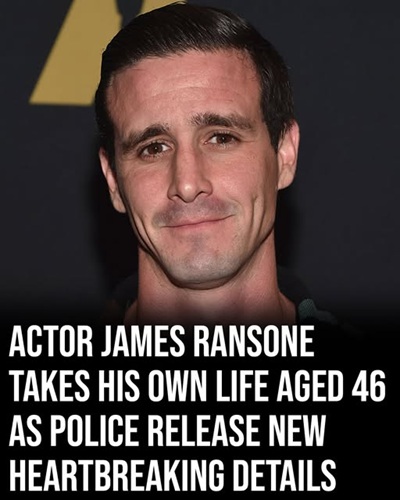
The entertainment world is mourning the untimely passing of actor James Ransone, best known for his unforgettable portrayal of Ziggy Sobotka on the critically acclaimed HBO series The Wire.

Ransone died at the age of 46 in Los Angeles, leaving behind a legacy marked by remarkable talent, vulnerability, and a fearless dedication to his craft.

Authorities confirmed that Ransone was found unresponsive at a property in the Fairfax area of Los Angeles on the afternoon of Friday, December 19, 2025.

Police were called to the scene shortly after 2 p.m. and reported that there were no signs of foul play.

The Los Angeles County Medical Examiner’s Office is handling the case, and his death was later officially ruled a suicide.
Early Life and Formative Years

Born in Maryland, James Ransone discovered acting at a young age as an outlet and refuge from the challenges he faced in traditional public schools.

He was the son of Joyce and James Finley Ransone II, the latter of whom served as a Green Beret in the Vietnam War. Reflecting on his father’s experiences, Ransone once shared with Interview Magazine:

“My dad was a Green Beret and he got shot in Vietnam. He had to come home. It really affected him, and it still affects him to this day. I only saw the bad parts because that’s my dad.”

Growing up with a parent who had endured the traumas of war shaped Ransone’s worldview and gave him a unique perspective on resilience, pain, and emotional expression. Yet, despite the challenges, he found solace and purpose in the arts.

As a child, Ransone attended the Carver Center for Arts and Technology in Towson, Maryland, a move he credited with transforming his life. Reflecting on his adolescence, he remarked:

“I did not fit in well with all of the kids. Adolescence was a really hard time for me — as I think it is for most kids. I think it saved me as a kid. Going to arts school saved me.”

This early exposure to creative expression laid the groundwork for a career in acting, allowing him to channel personal struggles into a craft that would touch audiences for decades.

Career Highlights: Television and Film

Ransone’s breakout role came in 2003 when he joined the cast of The Wire, portraying Ziggy Sobotka, the complex and often tragic son of union leader Frank Sobotka.

The show, praised for its deep and realistic depiction of urban life in Baltimore, quickly became a cultural phenomenon, and Ransone’s portrayal of Ziggy—naive, impulsive, and deeply human—resonated with fans and critics alike.

Beyond The Wire, Ransone built a diverse career across television and film, often gravitating toward roles that demanded intensity and emotional nuance.
In HBO’s Generation Kill, based on Evan Wright’s 2004 book detailing his experiences embedded with a U.S. Marine unit during the 2003 Iraq invasion, Ransone played Corporal Josh Ray Person. Reflecting on the role, he shared:

“It’s still a highlight of my life – and not just the show. Living in Africa [where the series was shot], being around the dudes who were being written about — since my dad is a Vietnam vet — I got to see some version of my dad as a young man.”

Ransone’s performances often drew from personal experience, lending authenticity and depth to his portrayals.

Acclaimed Horror Films and Genre Advocacy

Ransone became particularly well-known for his roles in horror films, earning acclaim for his ability to convey vulnerability and terror in equal measure.

Some of his notable horror projects include Sinister, The Black Phone, and It: Chapter Two, where he played the adult Eddie Kaspbrak alongside stars Bill Hader, Jessica Chastain, and Bill Skarsgård.

He was a passionate advocate for the artistic value of the horror genre, frequently challenging the notion that horror lacked depth or legitimacy.

In interviews, Ransone often pointed to cinematic legends as evidence of horror’s artistry, remarking: “Tell that to William Friedkin or Stanley Kubrick.”

Through his performances, Ransone demonstrated that horror could be both commercially successful and emotionally resonant, combining genuine fear with nuanced character work.

Personal Struggles and Advocacy

Off-screen, Ransone was candid about his own personal battles, displaying the same openness that informed his acting.

He struggled with addiction from a young age, becoming sober at 27 after years of heroin use. His honesty about addiction, recovery, and trauma helped destigmatize these issues for fans and peers alike.
In May 2021, Ransone publicly shared a deeply personal revelation on Instagram, disclosing that he had been sexually abused by his math tutor in 1992.

By speaking out, he hoped to offer comfort and solidarity to others who had experienced similar trauma, emphasizing that survivors were not alone.

Tributes and Legacy

Following news of Ransone’s death, The Wire creator David Simon released a statement expressing his grief and admiration:

“The loss of James Ransone is grievous and awful. He committed not only to his craft, but also to the camaraderie that turns every good film production into something familial and caring.”

Fans, colleagues, and fellow actors have taken to social media to honor Ransone’s life, sharing memories of his warmth, humor, and dedication.

Beyond his onscreen achievements, he is remembered for his generosity, compassion, and willingness to use his platform to advocate for mental health and survivor support.

Ransone is survived by his wife, Jamie McPhee, and their two children.

In the wake of his passing, McPhee established a fundraiser benefiting the National Alliance on Mental Illness (NAMI), honoring Ransone’s legacy and the causes he championed throughout his life.

The Impact of His Work

James Ransone’s work in both television and film has left a lasting impression on audiences worldwide.

His portrayal of Ziggy Sobotka in The Wire remains one of the series’ most emotionally compelling storylines, capturing the struggles of a young man navigating a world rife with systemic pressures and personal shortcomings.

Critics and fans alike praised Ransone for his ability to balance humor, vulnerability, and pathos, creating a character who was at once frustrating, heartbreaking, and relatable.

In horror cinema, Ransone’s performances often elevated the genre, bringing depth and humanity to characters who might otherwise have been one-dimensional.
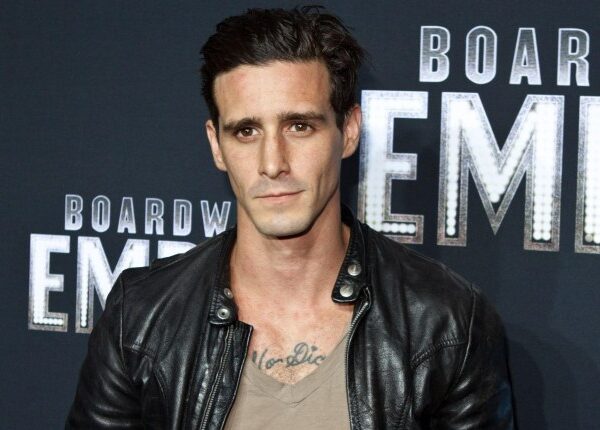
His ability to convey raw emotion, fear, and moral complexity made him a sought-after actor in projects that demanded both intensity and subtlety.

Reflection on His Life and Influence

Ransone’s life serves as a testament to the power of art to heal and transform

. From his early struggles in traditional schooling to finding refuge in an arts-focused education, he channeled personal challenges into performances that resonated deeply with viewers.

His openness about addiction, trauma, and recovery provided inspiration to those facing similar battles, and his advocacy work helped destigmatize mental health struggles.

Colleagues frequently noted his professionalism and commitment to the collaborative spirit of filmmaking.

He approached every role, big or small, with dedication, humility, and a willingness to explore the emotional depths of his characters.

Whether in front of the camera or on set, Ransone fostered an environment of trust, support, and camaraderie, leaving a lasting impression on everyone he worked with.

Addressing Mental Health and Suicide Awareness

Ransone’s death underscores the importance of mental health awareness and the need for open conversations about suicide and emotional wellbeing.

By sharing his personal experiences and challenges publicly, Ransone helped reduce stigma and encouraged others to seek support when needed.

Mental health organizations, including NAMI, emphasize the importance of early intervention, community support, and professional help to prevent such tragedies.
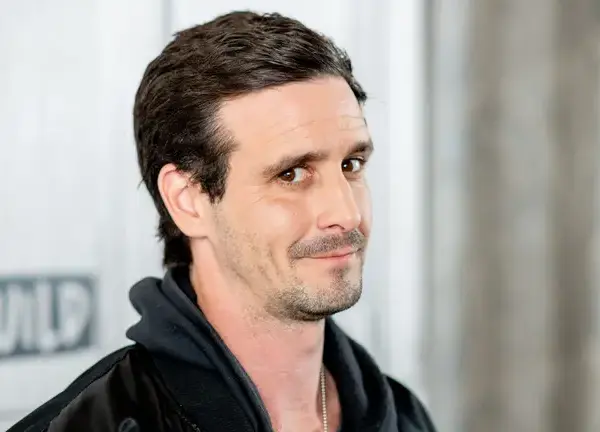
His family’s decision to honor his memory with a fundraiser supporting mental health initiatives ensures that his legacy continues to make a positive impact.

It serves as a reminder that even in the face of immense struggle, the lives of those we lose can inspire change, compassion, and action in others.

Remembering James Ransone

James Ransone leaves behind a body of work that is both diverse and emotionally resonant, spanning television, film, and stage.

His performances will continue to captivate audiences, offering insight into the human condition, the complexities of trauma, and the resilience of the human spirit.

Beyond his artistic contributions, he will be remembered for his generosity, authenticity, and unwavering commitment to the causes he cared about deeply.

As fans, colleagues, and loved ones reflect on his life, Ransone’s story is a reminder of the fragility of life, the importance of empathy, and the enduring power of art to connect, heal, and inspire.

Through his work and advocacy, James Ransone’s influence will continue to resonate for years to come.

The entertainment world is mourning the untimely passing of actor James Ransone, best known for his unforgettable portrayal of Ziggy Sobotka on the critically acclaimed HBO series The Wire.

Ransone died at the age of 46 in Los Angeles, leaving behind a legacy marked by remarkable talent, vulnerability, and a fearless dedication to his craft.

Authorities confirmed that Ransone was found unresponsive at a property in the Fairfax area of Los Angeles on the afternoon of Friday, December 19, 2025.

Police were called to the scene shortly after 2 p.m. and reported that there were no signs of foul play.

The Los Angeles County Medical Examiner’s Office is handling the case, and his death was later officially ruled a suicide.

Early Life and Formative Years

Born in Maryland, James Ransone discovered acting at a young age as an outlet and refuge from the challenges he faced in traditional public schools.

He was the son of Joyce and James Finley Ransone II, the latter of whom served as a Green Beret in the Vietnam War. Reflecting on his father’s experiences, Ransone once shared with Interview Magazine:

“My dad was a Green Beret and he got shot in Vietnam. He had to come home. It really affected him, and it still affects him to this day. I only saw the bad parts because that’s my dad.”

Growing up with a parent who had endured the traumas of war shaped Ransone’s worldview and gave him a unique perspective on resilience, pain, and emotional expression. Yet, despite the challenges, he found solace and purpose in the arts.

As a child, Ransone attended the Carver Center for Arts and Technology in Towson, Maryland, a move he credited with transforming his life. Reflecting on his adolescence, he remarked:

“I did not fit in well with all of the kids. Adolescence was a really hard time for me — as I think it is for most kids. I think it saved me as a kid. Going to arts school saved me.”

This early exposure to creative expression laid the groundwork for a career in acting, allowing him to channel personal struggles into a craft that would touch audiences for decades.

Career Highlights: Television and Film

Ransone’s breakout role came in 2003 when he joined the cast of The Wire, portraying Ziggy Sobotka, the complex and often tragic son of union leader Frank Sobotka.

The show, praised for its deep and realistic depiction of urban life in Baltimore, quickly became a cultural phenomenon, and Ransone’s portrayal of Ziggy—naive, impulsive, and deeply human—resonated with fans and critics alike.

Beyond The Wire, Ransone built a diverse career across television and film, often gravitating toward roles that demanded intensity and emotional nuance.

In HBO’s Generation Kill, based on Evan Wright’s 2004 book detailing his experiences embedded with a U.S. Marine unit during the 2003 Iraq invasion, Ransone played Corporal Josh Ray Person. Reflecting on the role, he shared:

“It’s still a highlight of my life – and not just the show. Living in Africa [where the series was shot], being around the dudes who were being written about — since my dad is a Vietnam vet — I got to see some version of my dad as a young man.”

Ransone’s performances often drew from personal experience, lending authenticity and depth to his portrayals.

Acclaimed Horror Films and Genre Advocacy

Ransone became particularly well-known for his roles in horror films, earning acclaim for his ability to convey vulnerability and terror in equal measure.

Some of his notable horror projects include Sinister, The Black Phone, and It: Chapter Two, where he played the adult Eddie Kaspbrak alongside stars Bill Hader, Jessica Chastain, and Bill Skarsgård.

He was a passionate advocate for the artistic value of the horror genre, frequently challenging the notion that horror lacked depth or legitimacy.

In interviews, Ransone often pointed to cinematic legends as evidence of horror’s artistry, remarking: “Tell that to William Friedkin or Stanley Kubrick.”

Through his performances, Ransone demonstrated that horror could be both commercially successful and emotionally resonant, combining genuine fear with nuanced character work.

Personal Struggles and Advocacy

Off-screen, Ransone was candid about his own personal battles, displaying the same openness that informed his acting.

He struggled with addiction from a young age, becoming sober at 27 after years of heroin use. His honesty about addiction, recovery, and trauma helped destigmatize these issues for fans and peers alike.

In May 2021, Ransone publicly shared a deeply personal revelation on Instagram, disclosing that he had been sexually abused by his math tutor in 1992.

By speaking out, he hoped to offer comfort and solidarity to others who had experienced similar trauma, emphasizing that survivors were not alone.

Tributes and Legacy

Following news of Ransone’s death, The Wire creator David Simon released a statement expressing his grief and admiration:

“The loss of James Ransone is grievous and awful. He committed not only to his craft, but also to the camaraderie that turns every good film production into something familial and caring.”

Fans, colleagues, and fellow actors have taken to social media to honor Ransone’s life, sharing memories of his warmth, humor, and dedication.

Beyond his onscreen achievements, he is remembered for his generosity, compassion, and willingness to use his platform to advocate for mental health and survivor support.

Ransone is survived by his wife, Jamie McPhee, and their two children.

In the wake of his passing, McPhee established a fundraiser benefiting the National Alliance on Mental Illness (NAMI), honoring Ransone’s legacy and the causes he championed throughout his life.

The Impact of His Work

James Ransone’s work in both television and film has left a lasting impression on audiences worldwide.

His portrayal of Ziggy Sobotka in The Wire remains one of the series’ most emotionally compelling storylines, capturing the struggles of a young man navigating a world rife with systemic pressures and personal shortcomings.

Critics and fans alike praised Ransone for his ability to balance humor, vulnerability, and pathos, creating a character who was at once frustrating, heartbreaking, and relatable.

In horror cinema, Ransone’s performances often elevated the genre, bringing depth and humanity to characters who might otherwise have been one-dimensional.

His ability to convey raw emotion, fear, and moral complexity made him a sought-after actor in projects that demanded both intensity and subtlety.

Reflection on His Life and Influence

Ransone’s life serves as a testament to the power of art to heal and transform

. From his early struggles in traditional schooling to finding refuge in an arts-focused education, he channeled personal challenges into performances that resonated deeply with viewers.

His openness about addiction, trauma, and recovery provided inspiration to those facing similar battles, and his advocacy work helped destigmatize mental health struggles.

Colleagues frequently noted his professionalism and commitment to the collaborative spirit of filmmaking.

He approached every role, big or small, with dedication, humility, and a willingness to explore the emotional depths of his characters.

Whether in front of the camera or on set, Ransone fostered an environment of trust, support, and camaraderie, leaving a lasting impression on everyone he worked with.

Addressing Mental Health and Suicide Awareness

Ransone’s death underscores the importance of mental health awareness and the need for open conversations about suicide and emotional wellbeing.

By sharing his personal experiences and challenges publicly, Ransone helped reduce stigma and encouraged others to seek support when needed.

Mental health organizations, including NAMI, emphasize the importance of early intervention, community support, and professional help to prevent such tragedies.

His family’s decision to honor his memory with a fundraiser supporting mental health initiatives ensures that his legacy continues to make a positive impact.

It serves as a reminder that even in the face of immense struggle, the lives of those we lose can inspire change, compassion, and action in others.

Remembering James Ransone

James Ransone leaves behind a body of work that is both diverse and emotionally resonant, spanning television, film, and stage.

His performances will continue to captivate audiences, offering insight into the human condition, the complexities of trauma, and the resilience of the human spirit.

Beyond his artistic contributions, he will be remembered for his generosity, authenticity, and unwavering commitment to the causes he cared about deeply.

As fans, colleagues, and loved ones reflect on his life, Ransone’s story is a reminder of the fragility of life, the importance of empathy, and the enduring power of art to connect, heal, and inspire.

Through his work and advocacy, James Ransone’s influence will continue to resonate for years to come.