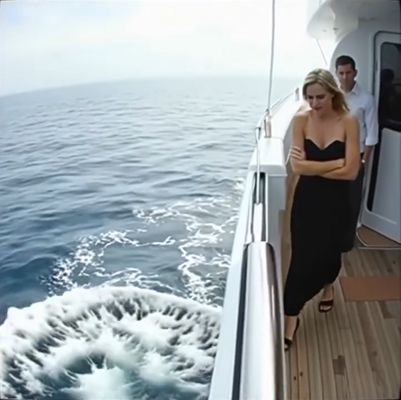
As my ‘accident’ unfolded, my daughter-in-law quietly whispered, “Say hi to the sharks.”
Their faces drained of color the instant their eyes landed on the folder resting on the coffee table.
It was unremarkable in appearance—plain manila, slightly worn at the corners—yet it carried a weight that pressed down on the room like an invisible force.
It did not need to be thick or dramatic. Its power came from what it represented: facts, timelines, signatures, and decisions that could no longer be undone.
The folder lay perfectly still, but its presence felt alive, almost watchful. A quiet witness to everything they had done and everything they had hoped would remain buried forever.
For a long moment, no one spoke.
The city continued its steady rhythm beyond the tall windows. Somewhere below, traffic moved through intersections, horns sounding faintly.
A siren wailed in the distance, rising and falling like a reminder that life did not pause for personal reckonings.
Inside the living room, however, time felt suspended. The air was tight, brittle, as though one careless word might fracture it completely.
David was the first to crack.
“How—how did you get that?” he asked, his voice uneven, almost unrecognizable. The confidence he had carried when he arrived had vanished.
Gone was the easy smile, the casual posture. In its place was tension etched across his face, a tightness around his eyes and mouth that betrayed a fear he had not prepared himself to feel.
His gaze flicked toward Vanessa, instinctively searching for reassurance, a signal, a shared strategy. Anything. But she didn’t look back.
Vanessa sat rigid on the couch, hands clenched together in her lap so tightly her knuckles had turned pale. Her eyes remained locked on the folder, unblinking, as if sheer concentration might make it disappear.
She looked smaller somehow, stripped of the composure she usually wore so carefully.
I leaned back into my armchair, letting the leather support my weight. I didn’t rush to answer.
Silence has a way of exposing people when they already know the truth. It gives their thoughts space to race ahead of them, to imagine consequences before words ever confirm them.
“Let’s just say,” I began calmly, folding my hands together, “that while you were busy plotting my downfall, I was busy paying attention.”
David swallowed hard. The sound was audible in the quiet room.
“You see,” I continued, turning my gaze toward Vanessa now, “the truth has an irritating habit of surfacing.
No matter how carefully you hide it. No matter how clever you believe yourself to be.”
Vanessa’s composure finally broke. Her hands lifted to her face, fingers pressing against her temples as though she could physically hold herself together. When she spoke, her voice was barely above a whisper.
“You don’t understand,” she said. “We didn’t have a choice.”
I exhaled slowly. It wasn’t quite a laugh, not quite a sigh—just the release of a realization long overdue.
“There is always a choice,” I replied evenly. “And the moment you crossed that line, you made yours.”
David shifted forward, elbows resting on his knees now. I could almost see his thoughts moving, running through possible outcomes, searching for loopholes that no longer existed.
“I expected more from you, David,” I said, my disappointment no longer concealed. “Family isn’t just about blood. It’s about trust. Loyalty. Knowing where the line is—and refusing to step over it.”
“But Mom—” He stood abruptly, desperation sharpening his voice. “We did it for us. For the future. We just wanted to make sure everything was secure.”
“Secure?” I echoed, my tone firm but controlled. “Secure from what? From having to earn what you wanted? From the possibility that life wouldn’t simply hand it to you?”
I rose slowly from the chair. The deliberate movement made both of them flinch, a small but telling reaction.
“You forget something important,” I continued, stepping closer to the coffee table. “I built this life. Every part of it. Brick by brick. Nothing was handed to me.”
Neither of them responded. The silence was heavy now, no longer empty but full—of regret, of realization, of the weight of consequences finally settling in.
“And while you were scheming,” I said more softly, “do you know what I was doing?”
They stared at me as though I were a stranger, someone unfamiliar standing where their mother once was. Perhaps I was. People change when illusions fall away.
“I was healing,” I said.
The word lingered in the air.
“Not just from surgery,” I went on, “but from a deeper kind of blindness. The kind that comes from loving your family so fiercely that you excuse what should never be excused.
From believing intentions mattered more than actions. From convincing myself that loyalty would be returned simply because it was given.”
Vanessa’s eyes glistened, moisture gathering she did not bother to hide.
“And once the fog lifted,” I said quietly, “I finally saw what had been standing in front of me all along.”
The silence stretched again, thick and suffocating. David’s jaw tightened, frustration and fear battling for control.
Vanessa looked down at the floor, shoulders sagging under the weight of everything they could no longer deny.
I gestured toward the folder.
“The past doesn’t disappear just because you ignore it,” I said. “It waits. Patiently. It gathers evidence. And eventually, it demands to be acknowledged.”
“What do you want?” Vanessa asked at last.
Her voice was small, defeated. I studied her carefully—not with anger, but with clarity. There is a difference, and clarity is far more dangerous.
“That depends,” I replied. “On whether you understand the difference between a lifeline and a noose.”
David inhaled sharply, the sound betraying his fear.
I did not open the folder. I didn’t need to. Its power was symbolic. It represented truth, accountability, and the end of assumptions they had relied on for far too long.
“I want you to understand something,” I said, straightening my posture. “Forgiveness is possible. But trust—once broken—does not regenerate the way people like to pretend it does.”
Vanessa finally looked up. Tears slipped silently down her cheeks, unchecked.
“I never wanted it to come to this,” she whispered.
“Neither did I,” I replied. “But wanting something doesn’t make it real.”
I turned and walked toward the door. With every step, I felt lighter, as though something heavy had finally loosened its grip on my chest.
Behind me, neither of them followed. They didn’t speak. They didn’t need to.
The folder remained on the table, untouched and undeniable—a mirror they could no longer avoid.
As I opened the door, a calm settled over me. Not triumph. Not revenge.
Freedom.
The kind that comes when the past finally releases its hold, and the future no longer belongs to those who tried to claim it without earning it.
This time, the future was mine to shape—clearly, deliberately, and without the shadows of betrayal darkening the path ahead.
Their faces drained of color the instant their eyes landed on the folder resting on the coffee table.
It was unremarkable in appearance—plain manila, slightly worn at the corners—yet it carried a weight that pressed down on the room like an invisible force.
It did not need to be thick or dramatic. Its power came from what it represented: facts, timelines, signatures, and decisions that could no longer be undone.
The folder lay perfectly still, but its presence felt alive, almost watchful. A quiet witness to everything they had done and everything they had hoped would remain buried forever.
For a long moment, no one spoke.
The city continued its steady rhythm beyond the tall windows. Somewhere below, traffic moved through intersections, horns sounding faintly.
A siren wailed in the distance, rising and falling like a reminder that life did not pause for personal reckonings.
Inside the living room, however, time felt suspended. The air was tight, brittle, as though one careless word might fracture it completely.
David was the first to crack.
“How—how did you get that?” he asked, his voice uneven, almost unrecognizable. The confidence he had carried when he arrived had vanished.
Gone was the easy smile, the casual posture. In its place was tension etched across his face, a tightness around his eyes and mouth that betrayed a fear he had not prepared himself to feel.
His gaze flicked toward Vanessa, instinctively searching for reassurance, a signal, a shared strategy. Anything. But she didn’t look back.
Vanessa sat rigid on the couch, hands clenched together in her lap so tightly her knuckles had turned pale. Her eyes remained locked on the folder, unblinking, as if sheer concentration might make it disappear.
She looked smaller somehow, stripped of the composure she usually wore so carefully.
I leaned back into my armchair, letting the leather support my weight. I didn’t rush to answer.
Silence has a way of exposing people when they already know the truth. It gives their thoughts space to race ahead of them, to imagine consequences before words ever confirm them.
“Let’s just say,” I began calmly, folding my hands together, “that while you were busy plotting my downfall, I was busy paying attention.”
David swallowed hard. The sound was audible in the quiet room.
“You see,” I continued, turning my gaze toward Vanessa now, “the truth has an irritating habit of surfacing.
No matter how carefully you hide it. No matter how clever you believe yourself to be.”
Vanessa’s composure finally broke. Her hands lifted to her face, fingers pressing against her temples as though she could physically hold herself together. When she spoke, her voice was barely above a whisper.
“You don’t understand,” she said. “We didn’t have a choice.”
I exhaled slowly. It wasn’t quite a laugh, not quite a sigh—just the release of a realization long overdue.
“There is always a choice,” I replied evenly. “And the moment you crossed that line, you made yours.”
David shifted forward, elbows resting on his knees now. I could almost see his thoughts moving, running through possible outcomes, searching for loopholes that no longer existed.
“I expected more from you, David,” I said, my disappointment no longer concealed. “Family isn’t just about blood. It’s about trust. Loyalty. Knowing where the line is—and refusing to step over it.”
“But Mom—” He stood abruptly, desperation sharpening his voice. “We did it for us. For the future. We just wanted to make sure everything was secure.”
“Secure?” I echoed, my tone firm but controlled. “Secure from what? From having to earn what you wanted? From the possibility that life wouldn’t simply hand it to you?”
I rose slowly from the chair. The deliberate movement made both of them flinch, a small but telling reaction.
“You forget something important,” I continued, stepping closer to the coffee table. “I built this life. Every part of it. Brick by brick. Nothing was handed to me.”
Neither of them responded. The silence was heavy now, no longer empty but full—of regret, of realization, of the weight of consequences finally settling in.
“And while you were scheming,” I said more softly, “do you know what I was doing?”
They stared at me as though I were a stranger, someone unfamiliar standing where their mother once was. Perhaps I was. People change when illusions fall away.
“I was healing,” I said.
The word lingered in the air.
“Not just from surgery,” I went on, “but from a deeper kind of blindness. The kind that comes from loving your family so fiercely that you excuse what should never be excused.
From believing intentions mattered more than actions. From convincing myself that loyalty would be returned simply because it was given.”
Vanessa’s eyes glistened, moisture gathering she did not bother to hide.
“And once the fog lifted,” I said quietly, “I finally saw what had been standing in front of me all along.”
The silence stretched again, thick and suffocating. David’s jaw tightened, frustration and fear battling for control.
Vanessa looked down at the floor, shoulders sagging under the weight of everything they could no longer deny.
I gestured toward the folder.
“The past doesn’t disappear just because you ignore it,” I said. “It waits. Patiently. It gathers evidence. And eventually, it demands to be acknowledged.”
“What do you want?” Vanessa asked at last.
Her voice was small, defeated. I studied her carefully—not with anger, but with clarity. There is a difference, and clarity is far more dangerous.
“That depends,” I replied. “On whether you understand the difference between a lifeline and a noose.”
David inhaled sharply, the sound betraying his fear.
I did not open the folder. I didn’t need to. Its power was symbolic. It represented truth, accountability, and the end of assumptions they had relied on for far too long.
“I want you to understand something,” I said, straightening my posture. “Forgiveness is possible. But trust—once broken—does not regenerate the way people like to pretend it does.”
Vanessa finally looked up. Tears slipped silently down her cheeks, unchecked.
“I never wanted it to come to this,” she whispered.
“Neither did I,” I replied. “But wanting something doesn’t make it real.”
I turned and walked toward the door. With every step, I felt lighter, as though something heavy had finally loosened its grip on my chest.
Behind me, neither of them followed. They didn’t speak. They didn’t need to.
The folder remained on the table, untouched and undeniable—a mirror they could no longer avoid.
As I opened the door, a calm settled over me. Not triumph. Not revenge.
Freedom.
The kind that comes when the past finally releases its hold, and the future no longer belongs to those who tried to claim it without earning it.
This time, the future was mine to shape—clearly, deliberately, and without the shadows of betrayal darkening the path ahead.