...

“The Lost Brother, the Stolen Past”

I thought it would be harmless. Just a birthday dare between siblings, a cheap DNA kit bought on a whim, a joke we’d laugh off by morning.

I never imagined it would fracture everything I believed about my own blood, my own history.

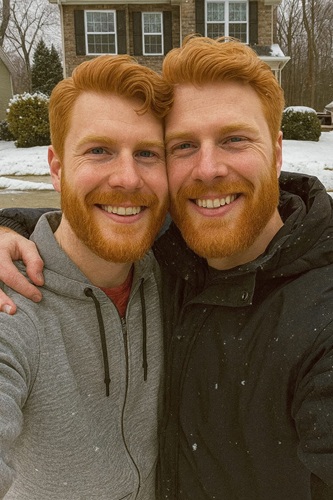
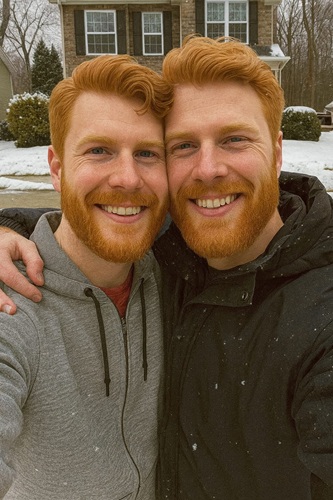
The email arrived quietly, almost innocuously, but it detonated my world. It confirmed the existence of a full-blooded brother I had never known, a brother who shared not only my DNA but also my birthday.

And then there was his name—one that felt like an echo I had been conditioned not to hear, a whisper of a past my parents had carefully erased.

The revelation made the room tilt. My parents had lied—not in moments of petty deceit, but in a deep, structured, and deliberate way.

My childhood, my memories, the narratives I had been raised on, were stitched around a silence so intentional that it now felt violent.
Every photograph, every bedtime story, every laugh shared in the family home carried a shadow I had never recognized until that email.

When Daniel—the brother I never knew existed—finally spoke to me, his voice trembled, fragile yet insistent. “You don’t remember the fi…” His words caught on the syllable “fire,” as though the sound itself carried smoke.

Memories that had been buried for decades surfaced in fragments.

Matching bikes parked at the curb, a blue plastic slide glinting in the sun, the mingled scent of marshmallows and gasoline—small, ordinary things that had somehow been part of both our childhoods.

My mind tried to categorize it all as polite attention, a courtesy to a stranger claiming familiarity, yet my body betrayed me: a sudden flinch at the slightest pop of sound, a phantom heat crawling along my arms, and an uncanny certainty that I had once known his laugh before ever hearing it again.

It wasn’t a dramatic revelation in a movie sense. No violins played in the background, no cathartic confrontation occurred in slow motion.

When my parents finally admitted the truth, it was banal and brutal, a dull scrape of reality dragged into daylight.

Their explanation was clinical: the version of me that survived on paper had been chosen intentionally—the adoptable child, the clean file, the narrative they could live with comfortably.

Daniel, the brother erased from our home and history, had become a footnote in the story my parents tried to rewrite.

I now find myself suspended between two lives: the one I lived, the one I lost. The fire that took my past decades ago and the silence that stole it twice weigh equally on my chest.
Every familiar street, every old photograph, every object in my room carries dual meanings: what I knew, and what I should have known.

Simple objects—my first pair of sneakers, a frayed teddy bear, a faded birthday card—now feel like relics of two overlapping worlds, one curated by my parents and one I am still piecing together with Daniel.

Each conversation with him is both a revelation and a trial. He recounts memories as if he were reading from a story we were meant to share, yet I find myself grappling with the gaps, with moments I cannot retrieve.

The dissonance is overwhelming: I can remember the smell of gasoline and marshmallows, the creak of a wooden swing, and yet I cannot reconcile it with the years of careful omission.

I realize now that memory is a fragile construct, malleable and easily reshaped, but the truth, once glimpsed, refuses to let go.

As the days passed, the weight of Daniel’s existence—and the life my parents had kept hidden—settled heavily on my shoulders. Conversations with him were tentative at first.

We exchanged cautious pleasantries over phone calls and video chats, each word carrying decades of absence. Every sentence seemed loaded, a reminder of shared histories we had unknowingly lived apart.

Yet there was an undeniable thread connecting us: the uncanny alignment of memories, the echo of laughter, and the shared moments that had been stolen before they could be fully formed.

Daniel’s recollections were vivid and precise. He described our shared birthday celebrations, small rituals of candle lighting and cake cutting that my memory had always held vaguely but now found clarity in his words.

He spoke of games we had played in backyards, of hiding behind bushes during makeshift scavenger hunts, of small triumphs and minor disasters that shaped our early years.

For me, hearing these stories was surreal: the emotional resonance was immediate, yet tinged with grief for the time we had lost. Each memory he revealed felt like both a gift and a wound.
The most difficult conversations centered around the fire—the incident my parents had chosen to obscure. Daniel recounted the day with a mixture of fear, anger, and longing.

The smell of smoke, the roar of flames, and the frantic search for safety had seared into him a memory that I, too, had experienced but never fully recognized.

He described how he had been left in a neighbor’s care while my parents dealt with the aftermath, while I had been quietly moved, my presence erased from the public record.

The realization of how meticulously our histories had been rewritten was suffocating.

Despite the pain, reconnecting with Daniel has been a profound source of healing. We’ve begun the slow process of sharing photographs, letters, and mementos, reconstructing a shared narrative from fragments left in the corners of memory.

Birth certificates, old drawings, and family photographs have become touchstones, proof that our lives, though divided by secrecy, were intertwined from the start.

Each discovery is a mixture of joy and sorrow—evidence of a bond kept alive despite deliberate erasure.

The psychological impact of uncovering a hidden sibling is complex. I find myself oscillating between gratitude, anger, and disbelief.

Trust, once taken for granted, now feels fragile; questions about why my parents made these decisions linger in every conversation. Yet, there is also a sense of resilience emerging.

Through Daniel, I have begun to understand that identity is not solely defined by what is remembered, but also by what is reclaimed.

The act of piecing together our childhood is an assertion of agency, reclaiming the parts of ourselves that were denied.

Friends and therapists alike have remarked on the uniqueness of my situation. While adoption and separation are not uncommon, discovering a full sibling later in life under these circumstances is rare.

The story challenges assumptions about family, memory, and identity. I’ve come to realize that while our parents controlled the narrative of our early years, we now have the power to author the next chapters together—honestly, intentionally, and without omission.
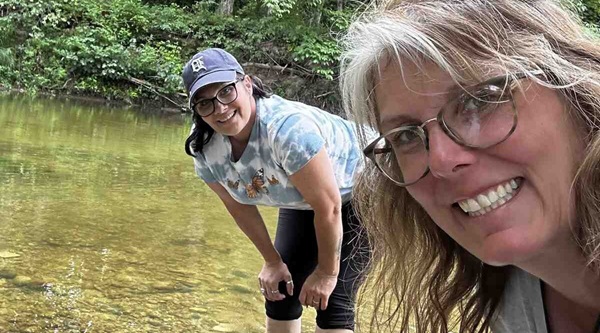
In practical terms, reconnecting with Daniel has reshaped everyday life. Holidays, birthdays, and even mundane conversations carry an added layer of significance.

Simple acts—sharing a meal, laughing at old childhood jokes, reminiscing about family pets or neighborhood games—have taken on profound meaning.

The sibling bond we never had the chance to nurture naturally is now forming deliberately, with conscious effort and careful attention to the emotional scars left behind.

Ultimately, the journey with Daniel is not just about reclaiming the past; it is about forging a future where honesty and presence define our relationship.

I am learning that grief and joy can coexist, that loss and rediscovery are often intertwined, and that the truth, no matter how late, has the power to reshape identity and belonging.

Every conversation, every shared memory, and every small act of connection is a step toward rebuilding a childhood that was stolen and creating a sibling bond that, despite years of absence, is now real and undeniable.

As I sit reflecting on these developments, I am struck by a quiet truth: families are not always defined by the years lived together, but by the depth of connection we choose to cultivate.

In finding Daniel, I have not only rediscovered a brother but also unearthed resilience, empathy, and the possibility of love that endures even through deception and loss.

What was once hidden now guides me toward understanding, toward reconciliation, and toward a shared future that we can claim as our own.

I thought it would be harmless. Just a birthday dare between siblings, a cheap DNA kit bought on a whim, a joke we’d laugh off by morning.

I never imagined it would fracture everything I believed about my own blood, my own history.

The email arrived quietly, almost innocuously, but it detonated my world. It confirmed the existence of a full-blooded brother I had never known, a brother who shared not only my DNA but also my birthday.

And then there was his name—one that felt like an echo I had been conditioned not to hear, a whisper of a past my parents had carefully erased.

The revelation made the room tilt. My parents had lied—not in moments of petty deceit, but in a deep, structured, and deliberate way.

My childhood, my memories, the narratives I had been raised on, were stitched around a silence so intentional that it now felt violent.

Every photograph, every bedtime story, every laugh shared in the family home carried a shadow I had never recognized until that email.

When Daniel—the brother I never knew existed—finally spoke to me, his voice trembled, fragile yet insistent. “You don’t remember the fi…” His words caught on the syllable “fire,” as though the sound itself carried smoke.

Memories that had been buried for decades surfaced in fragments.

Matching bikes parked at the curb, a blue plastic slide glinting in the sun, the mingled scent of marshmallows and gasoline—small, ordinary things that had somehow been part of both our childhoods.

My mind tried to categorize it all as polite attention, a courtesy to a stranger claiming familiarity, yet my body betrayed me: a sudden flinch at the slightest pop of sound, a phantom heat crawling along my arms, and an uncanny certainty that I had once known his laugh before ever hearing it again.

It wasn’t a dramatic revelation in a movie sense. No violins played in the background, no cathartic confrontation occurred in slow motion.

When my parents finally admitted the truth, it was banal and brutal, a dull scrape of reality dragged into daylight.

Their explanation was clinical: the version of me that survived on paper had been chosen intentionally—the adoptable child, the clean file, the narrative they could live with comfortably.

Daniel, the brother erased from our home and history, had become a footnote in the story my parents tried to rewrite.

I now find myself suspended between two lives: the one I lived, the one I lost. The fire that took my past decades ago and the silence that stole it twice weigh equally on my chest.

Every familiar street, every old photograph, every object in my room carries dual meanings: what I knew, and what I should have known.

Simple objects—my first pair of sneakers, a frayed teddy bear, a faded birthday card—now feel like relics of two overlapping worlds, one curated by my parents and one I am still piecing together with Daniel.

Each conversation with him is both a revelation and a trial. He recounts memories as if he were reading from a story we were meant to share, yet I find myself grappling with the gaps, with moments I cannot retrieve.

The dissonance is overwhelming: I can remember the smell of gasoline and marshmallows, the creak of a wooden swing, and yet I cannot reconcile it with the years of careful omission.

I realize now that memory is a fragile construct, malleable and easily reshaped, but the truth, once glimpsed, refuses to let go.

As the days passed, the weight of Daniel’s existence—and the life my parents had kept hidden—settled heavily on my shoulders. Conversations with him were tentative at first.

We exchanged cautious pleasantries over phone calls and video chats, each word carrying decades of absence. Every sentence seemed loaded, a reminder of shared histories we had unknowingly lived apart.

Yet there was an undeniable thread connecting us: the uncanny alignment of memories, the echo of laughter, and the shared moments that had been stolen before they could be fully formed.

Daniel’s recollections were vivid and precise. He described our shared birthday celebrations, small rituals of candle lighting and cake cutting that my memory had always held vaguely but now found clarity in his words.

He spoke of games we had played in backyards, of hiding behind bushes during makeshift scavenger hunts, of small triumphs and minor disasters that shaped our early years.

For me, hearing these stories was surreal: the emotional resonance was immediate, yet tinged with grief for the time we had lost. Each memory he revealed felt like both a gift and a wound.

The most difficult conversations centered around the fire—the incident my parents had chosen to obscure. Daniel recounted the day with a mixture of fear, anger, and longing.

The smell of smoke, the roar of flames, and the frantic search for safety had seared into him a memory that I, too, had experienced but never fully recognized.

He described how he had been left in a neighbor’s care while my parents dealt with the aftermath, while I had been quietly moved, my presence erased from the public record.

The realization of how meticulously our histories had been rewritten was suffocating.

Despite the pain, reconnecting with Daniel has been a profound source of healing. We’ve begun the slow process of sharing photographs, letters, and mementos, reconstructing a shared narrative from fragments left in the corners of memory.

Birth certificates, old drawings, and family photographs have become touchstones, proof that our lives, though divided by secrecy, were intertwined from the start.

Each discovery is a mixture of joy and sorrow—evidence of a bond kept alive despite deliberate erasure.

The psychological impact of uncovering a hidden sibling is complex. I find myself oscillating between gratitude, anger, and disbelief.

Trust, once taken for granted, now feels fragile; questions about why my parents made these decisions linger in every conversation. Yet, there is also a sense of resilience emerging.

Through Daniel, I have begun to understand that identity is not solely defined by what is remembered, but also by what is reclaimed.

The act of piecing together our childhood is an assertion of agency, reclaiming the parts of ourselves that were denied.

Friends and therapists alike have remarked on the uniqueness of my situation. While adoption and separation are not uncommon, discovering a full sibling later in life under these circumstances is rare.

The story challenges assumptions about family, memory, and identity. I’ve come to realize that while our parents controlled the narrative of our early years, we now have the power to author the next chapters together—honestly, intentionally, and without omission.

In practical terms, reconnecting with Daniel has reshaped everyday life. Holidays, birthdays, and even mundane conversations carry an added layer of significance.

Simple acts—sharing a meal, laughing at old childhood jokes, reminiscing about family pets or neighborhood games—have taken on profound meaning.

The sibling bond we never had the chance to nurture naturally is now forming deliberately, with conscious effort and careful attention to the emotional scars left behind.

Ultimately, the journey with Daniel is not just about reclaiming the past; it is about forging a future where honesty and presence define our relationship.

I am learning that grief and joy can coexist, that loss and rediscovery are often intertwined, and that the truth, no matter how late, has the power to reshape identity and belonging.

Every conversation, every shared memory, and every small act of connection is a step toward rebuilding a childhood that was stolen and creating a sibling bond that, despite years of absence, is now real and undeniable.

As I sit reflecting on these developments, I am struck by a quiet truth: families are not always defined by the years lived together, but by the depth of connection we choose to cultivate.

In finding Daniel, I have not only rediscovered a brother but also unearthed resilience, empathy, and the possibility of love that endures even through deception and loss.

What was once hidden now guides me toward understanding, toward reconciliation, and toward a shared future that we can claim as our own.