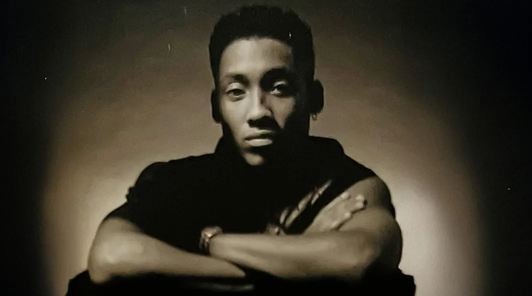
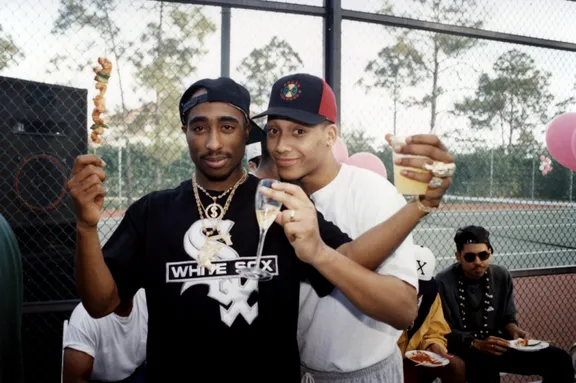
“From Teen Idol to Today: The Star Who Acted With 2Pac, in Pictures”
From the chaotic streets of New York’s East Village to the bright lights of Hollywood, Khalil Kain’s journey is a story of survival, talent, and resilience.
Best known for his breakout role as Raheem in the 1992 cult classic Juice, Kain captured the hearts of audiences with his charm, intelligence, and undeniable screen presence.
But behind the teen heartthrob image was a young man shaped by hardship, discipline, and determination—a story that begins long before the cameras ever rolled.
Sixteen Homes Before Sixteen: A Childhood of Instability
Khalil Kain was born and raised in New York City, coming of age in a single-parent household in the East Village.

Life was far from easy. By the time he celebrated his 16th birthday, his family had moved an astonishing sixteen times, a reflection of economic instability and the struggle to find solid footing in a challenging environment.
As the oldest of three siblings, responsibility came early. His mother, just 24 when she had three children, relied on him to help care for the household whenever she went to work.
In interviews, Kain has described this period with raw honesty: “I wanted to stay out of jail, I wanted to stay alive.” Those words capture the reality of his early years—a constant battle against uncertainty, hunger, and the fear of being left behind.
Despite these hardships, Kain developed a resilience and sense of responsibility that would become the foundation for both his personal and professional life.
The chaos of his upbringing instilled in him a determination to seize opportunities, even when they were scarce or unexpected.
The streets of the East Village, while unpredictable, also served as a classroom, teaching him the importance of discipline, self-preservation, and loyalty—values that would later inform both his acting and martial arts practice.
A Grandfather’s Discipline: Martial Arts as a Lifeline
Amid the instability, one stabilizing force emerged: his maternal grandfather, a Chinese martial artist. Khalil Kain turned to martial arts not only as a form of physical training but as a means of emotional survival.
Under the guidance of Grand Master Ho Jin Song, Kain trained rigorously in Hapkido, eventually earning a first-degree black belt.
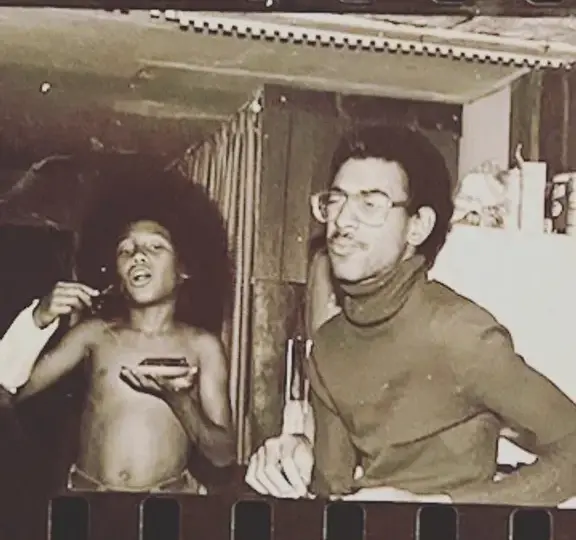
He has described martial arts as a transformative practice: “It gives a wonderful outlet to attain self-confidence and self-awareness. I’ve learned my own body and rhythms from an emotional, physical, and mental standpoint.”
This early discipline taught Kain much more than combat skills. It instilled focus, patience, and respect—traits that would later shape his approach to acting and teaching. Martial arts became a metaphor for his life: mastering oneself, staying grounded amidst chaos, and maintaining balance despite external pressures.
Fame Found Him: The Unexpected Path to Acting
Unlike many actors, Khalil Kain did not grow up dreaming of Hollywood or attending formal acting school. He had no early career ambitions beyond surviving and supporting his family. Acting came into his life almost by accident.
After catching attention in a few commercials, someone suggested he try for more substantial roles.
“I didn’t even know what that meant at the time,” Kain recalled. Nevertheless, he said yes—and that one decision would change the course of his life forever.
‘Juice’: A Breakout Role and Cultural Impact
In 1992, at the age of 27, Khalil Kain landed his first major film role in Juice, a film that would become a defining cultural moment of the 1990s.
Portraying Raheem—the calm, rational member of a Harlem friend group—Kain stood alongside a then-unknown Tupac Shakur, whose role as Bishop would cement the rapper’s iconic status.
The audition process was grueling, requiring six callbacks, but it forged strong bonds among the cast and prepared them for the intensity of filming.
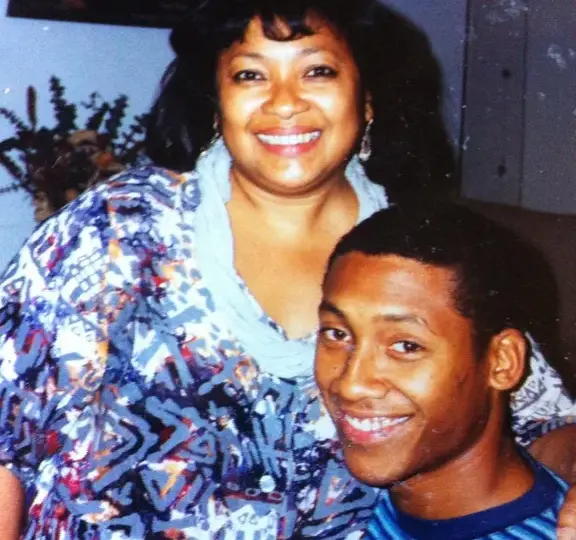
Kain’s portrayal of Raheem resonated deeply with audiences. His combination of charm, intelligence, and authenticity made him a teenage heartthrob and a fan favorite.
For many, Raheem was the embodiment of the ideal friend and confidant—someone relatable yet aspirational. On social media today, fans still reminisce about the role, sharing stories of first crushes and admiration that have endured for decades.
“Raheem from Juice…my teenage crush,” one fan commented, while another added, “My Childhood Crush .”
The film also marked a pivotal moment in Tupac Shakur’s career. Kain has reflected on the significance of the movie for his co-star, saying, “Tupac was socially conscious, was responsible for the images that he was portraying.
And you saw what he did. And there was power in it, man.” While Kain played the grounded Raheem, the role contributed to the dynamic that would make Juice a landmark film and a cornerstone of 1990s urban cinema.
Following the success of Juice, Khalil Kain continued to expand his acting career with a diverse range of roles across both film and television.
He demonstrated a remarkable ability to transition from the big screen to small-screen projects while maintaining authenticity and depth in his performances.
One of his favorite projects was the Showtime film Zooman, based on Charles Fuller’s play Zooman and the Sign, in which Kain tackled complex themes of urban life, responsibility, and identity.
His performance earned him respect from critics and peers alike, showcasing his dedication to roles that offered both challenge and substance.
Kain also appeared in Renaissance Man, Bones, and For Colored Girls, further establishing himself as a versatile actor capable of moving seamlessly between genres.
In The Tiger Woods Story, he took on the high-profile challenge of portraying the legendary athlete himself, a role that required both precision and emotional insight.
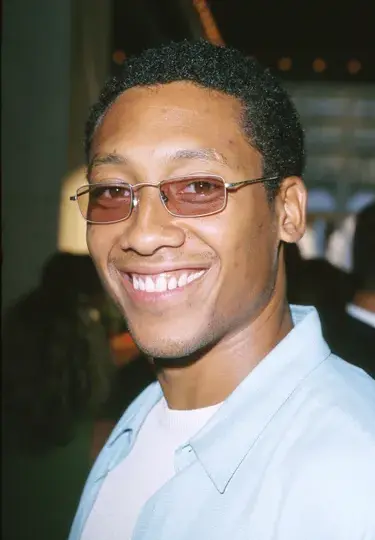
Each performance reinforced Kain’s reputation as an actor committed to truthfulness, discipline, and depth, qualities undoubtedly shaped by his early experiences of responsibility and survival.
On television, Kain’s presence was equally notable. He portrayed Darnell on the popular sitcom Girlfriends, a role that introduced him to a broader audience and cemented his status as a familiar and relatable presence in households across the country.
Other TV credits included appearances on Sister, Sister, CSI, and Blue Bloods, demonstrating his ability to engage viewers across both comedy and drama. These roles reflected his adaptability and sustained relevance in an industry that can often be unforgiving.
From Black Belt to Blackboard: Teaching the Next Generation
Even as his acting career flourished, Khalil Kain never abandoned his martial arts roots.
He became a senior student in his Hapkido school, and eventually took on teaching responsibilities. Martial arts had always been more than a physical discipline for Kain; it was a guiding philosophy, a way to cultivate focus, patience, and resilience.
Teaching allowed him to pass on these lessons, helping students navigate both physical challenges and personal growth.
Kain extended this discipline to acting as well. He taught classes at the Harlem School of the Arts and later at City College, where he led a course titled The Responsibility of Imagery.
In these classes, he emphasized the importance of mindfulness, intention, and integrity in artistic expression. “I’ve been saying yes a lot more,” he explained, reflecting on his evolving approach to life and career. “You never know what is going to happen from that.”
Through teaching, Kain demonstrated a commitment to nurturing the next generation of artists, blending practical skills with life lessons learned from his own journey.
He encouraged students to embrace responsibility, understand their craft deeply, and honor the cultural and social contexts of the stories they tell.
Creative Exploration: Writing, Poetry, and Legacy
Kain’s creative endeavors extended beyond acting and martial arts. He is also a writer, having penned several screenplays and plays, and he explored the world of spoken-word poetry.
His artistic expression often merges personal experience with broader cultural commentary, reflecting a lifelong engagement with storytelling and social consciousness.
Collaborating with artists like Thomás Doncker, Kain recorded his poems set to music, creating deeply personal works that highlight both his talent and his dedication to exploring new creative forms.
Artistic expression runs in the family. Kain’s father, Gaylen Kain, was a member of the revolutionary poetry group The Last Poets, widely regarded as pioneers in spoken-word and socially conscious art.
This heritage of creativity, activism, and cultural engagement clearly influenced Khalil Kain’s own artistic trajectory, encouraging him to explore themes of identity, responsibility, and community in his work.
Fatherhood Above All
Despite his professional achievements, fatherhood remains the cornerstone of Kain’s life. He has three children, including a daughter, Noa, now 27, and Luka, who has followed in his father’s footsteps into acting.
He is married to Elise Lyon, and he approaches parenting with a mix of discipline, honesty, and love.
Reflecting on his role as a father, Kain has said, “I struggled, I had to deal with it — you too,” highlighting his no-nonsense approach to guiding his children while providing them with opportunities and stability he sometimes lacked in his own childhood.
Kain cherishes the rare moments he can give his children experiences he never had, from family trips to simple shared moments. “To be able to do something for your kids so they have it better than you…feels good,” he shared, recalling a family trip to Maui. His dedication to fatherhood underscores the personal growth that has defined his life beyond the screen.
Enduring Admiration: Fans Never Forget
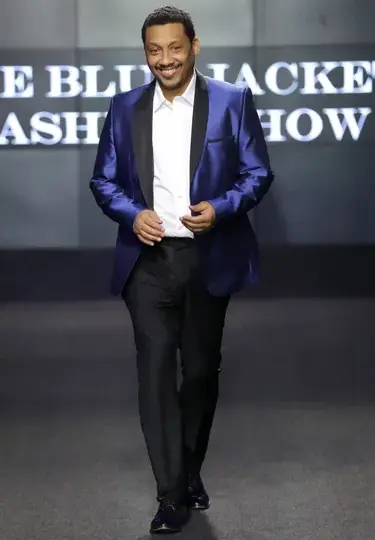
Khalil Kain’s impact extends far beyond his acting roles. Fans continue to admire him decades after his breakout performance in Juice, regularly expressing awe on social media.
Comments like “No chance you’re 60 . Aging incredibly ” and “Wow! You still look soooo young! You look great!” reflect the enduring admiration for both his talent and his presence.
Many fans also fondly recall their teenage crushes on Raheem, a testament to the lasting impression Kain made as a young actor.
Khalil Kain’s story is one of resilience, versatility, and authenticity. From the streets of the East Village to the heights of Hollywood, he has navigated a life defined by creativity, discipline, and responsibility.
Whether through acting, teaching, martial arts, writing, or fatherhood, Kain continues to inspire and influence those around him.
Today, he stands not only as a memorable face from 1990s cinema but as a multifaceted artist, teacher, and parent whose legacy of perseverance, cultural engagement, and personal integrity continues to resonate.
From the chaotic streets of New York’s East Village to the bright lights of Hollywood, Khalil Kain’s journey is a story of survival, talent, and resilience.
Best known for his breakout role as Raheem in the 1992 cult classic Juice, Kain captured the hearts of audiences with his charm, intelligence, and undeniable screen presence.
But behind the teen heartthrob image was a young man shaped by hardship, discipline, and determination—a story that begins long before the cameras ever rolled.
Sixteen Homes Before Sixteen: A Childhood of Instability
Khalil Kain was born and raised in New York City, coming of age in a single-parent household in the East Village.
Life was far from easy. By the time he celebrated his 16th birthday, his family had moved an astonishing sixteen times, a reflection of economic instability and the struggle to find solid footing in a challenging environment.
As the oldest of three siblings, responsibility came early. His mother, just 24 when she had three children, relied on him to help care for the household whenever she went to work.
In interviews, Kain has described this period with raw honesty: “I wanted to stay out of jail, I wanted to stay alive.” Those words capture the reality of his early years—a constant battle against uncertainty, hunger, and the fear of being left behind.
Despite these hardships, Kain developed a resilience and sense of responsibility that would become the foundation for both his personal and professional life.
The chaos of his upbringing instilled in him a determination to seize opportunities, even when they were scarce or unexpected.
The streets of the East Village, while unpredictable, also served as a classroom, teaching him the importance of discipline, self-preservation, and loyalty—values that would later inform both his acting and martial arts practice.
A Grandfather’s Discipline: Martial Arts as a Lifeline
Amid the instability, one stabilizing force emerged: his maternal grandfather, a Chinese martial artist. Khalil Kain turned to martial arts not only as a form of physical training but as a means of emotional survival.
Under the guidance of Grand Master Ho Jin Song, Kain trained rigorously in Hapkido, eventually earning a first-degree black belt.
He has described martial arts as a transformative practice: “It gives a wonderful outlet to attain self-confidence and self-awareness. I’ve learned my own body and rhythms from an emotional, physical, and mental standpoint.”
This early discipline taught Kain much more than combat skills. It instilled focus, patience, and respect—traits that would later shape his approach to acting and teaching. Martial arts became a metaphor for his life: mastering oneself, staying grounded amidst chaos, and maintaining balance despite external pressures.
Fame Found Him: The Unexpected Path to Acting
Unlike many actors, Khalil Kain did not grow up dreaming of Hollywood or attending formal acting school. He had no early career ambitions beyond surviving and supporting his family. Acting came into his life almost by accident.
After catching attention in a few commercials, someone suggested he try for more substantial roles.
“I didn’t even know what that meant at the time,” Kain recalled. Nevertheless, he said yes—and that one decision would change the course of his life forever.
‘Juice’: A Breakout Role and Cultural Impact
In 1992, at the age of 27, Khalil Kain landed his first major film role in Juice, a film that would become a defining cultural moment of the 1990s.
Portraying Raheem—the calm, rational member of a Harlem friend group—Kain stood alongside a then-unknown Tupac Shakur, whose role as Bishop would cement the rapper’s iconic status.
The audition process was grueling, requiring six callbacks, but it forged strong bonds among the cast and prepared them for the intensity of filming.
Kain’s portrayal of Raheem resonated deeply with audiences. His combination of charm, intelligence, and authenticity made him a teenage heartthrob and a fan favorite.
For many, Raheem was the embodiment of the ideal friend and confidant—someone relatable yet aspirational. On social media today, fans still reminisce about the role, sharing stories of first crushes and admiration that have endured for decades.
“Raheem from Juice…my teenage crush,” one fan commented, while another added, “My Childhood Crush .”
The film also marked a pivotal moment in Tupac Shakur’s career. Kain has reflected on the significance of the movie for his co-star, saying, “Tupac was socially conscious, was responsible for the images that he was portraying.
And you saw what he did. And there was power in it, man.” While Kain played the grounded Raheem, the role contributed to the dynamic that would make Juice a landmark film and a cornerstone of 1990s urban cinema.
Following the success of Juice, Khalil Kain continued to expand his acting career with a diverse range of roles across both film and television.
He demonstrated a remarkable ability to transition from the big screen to small-screen projects while maintaining authenticity and depth in his performances.
One of his favorite projects was the Showtime film Zooman, based on Charles Fuller’s play Zooman and the Sign, in which Kain tackled complex themes of urban life, responsibility, and identity.
His performance earned him respect from critics and peers alike, showcasing his dedication to roles that offered both challenge and substance.
Kain also appeared in Renaissance Man, Bones, and For Colored Girls, further establishing himself as a versatile actor capable of moving seamlessly between genres.
In The Tiger Woods Story, he took on the high-profile challenge of portraying the legendary athlete himself, a role that required both precision and emotional insight.
Each performance reinforced Kain’s reputation as an actor committed to truthfulness, discipline, and depth, qualities undoubtedly shaped by his early experiences of responsibility and survival.
On television, Kain’s presence was equally notable. He portrayed Darnell on the popular sitcom Girlfriends, a role that introduced him to a broader audience and cemented his status as a familiar and relatable presence in households across the country.
Other TV credits included appearances on Sister, Sister, CSI, and Blue Bloods, demonstrating his ability to engage viewers across both comedy and drama. These roles reflected his adaptability and sustained relevance in an industry that can often be unforgiving.
From Black Belt to Blackboard: Teaching the Next Generation
Even as his acting career flourished, Khalil Kain never abandoned his martial arts roots.
He became a senior student in his Hapkido school, and eventually took on teaching responsibilities. Martial arts had always been more than a physical discipline for Kain; it was a guiding philosophy, a way to cultivate focus, patience, and resilience.
Teaching allowed him to pass on these lessons, helping students navigate both physical challenges and personal growth.
Kain extended this discipline to acting as well. He taught classes at the Harlem School of the Arts and later at City College, where he led a course titled The Responsibility of Imagery.
In these classes, he emphasized the importance of mindfulness, intention, and integrity in artistic expression. “I’ve been saying yes a lot more,” he explained, reflecting on his evolving approach to life and career. “You never know what is going to happen from that.”
Through teaching, Kain demonstrated a commitment to nurturing the next generation of artists, blending practical skills with life lessons learned from his own journey.
He encouraged students to embrace responsibility, understand their craft deeply, and honor the cultural and social contexts of the stories they tell.
Creative Exploration: Writing, Poetry, and Legacy
Kain’s creative endeavors extended beyond acting and martial arts. He is also a writer, having penned several screenplays and plays, and he explored the world of spoken-word poetry.
His artistic expression often merges personal experience with broader cultural commentary, reflecting a lifelong engagement with storytelling and social consciousness.
Collaborating with artists like Thomás Doncker, Kain recorded his poems set to music, creating deeply personal works that highlight both his talent and his dedication to exploring new creative forms.
Artistic expression runs in the family. Kain’s father, Gaylen Kain, was a member of the revolutionary poetry group The Last Poets, widely regarded as pioneers in spoken-word and socially conscious art.
This heritage of creativity, activism, and cultural engagement clearly influenced Khalil Kain’s own artistic trajectory, encouraging him to explore themes of identity, responsibility, and community in his work.
Fatherhood Above All
Despite his professional achievements, fatherhood remains the cornerstone of Kain’s life. He has three children, including a daughter, Noa, now 27, and Luka, who has followed in his father’s footsteps into acting.
He is married to Elise Lyon, and he approaches parenting with a mix of discipline, honesty, and love.
Reflecting on his role as a father, Kain has said, “I struggled, I had to deal with it — you too,” highlighting his no-nonsense approach to guiding his children while providing them with opportunities and stability he sometimes lacked in his own childhood.
Kain cherishes the rare moments he can give his children experiences he never had, from family trips to simple shared moments. “To be able to do something for your kids so they have it better than you…feels good,” he shared, recalling a family trip to Maui. His dedication to fatherhood underscores the personal growth that has defined his life beyond the screen.
Enduring Admiration: Fans Never Forget
Khalil Kain’s impact extends far beyond his acting roles. Fans continue to admire him decades after his breakout performance in Juice, regularly expressing awe on social media.
Comments like “No chance you’re 60 . Aging incredibly ” and “Wow! You still look soooo young! You look great!” reflect the enduring admiration for both his talent and his presence.
Many fans also fondly recall their teenage crushes on Raheem, a testament to the lasting impression Kain made as a young actor.
Khalil Kain’s story is one of resilience, versatility, and authenticity. From the streets of the East Village to the heights of Hollywood, he has navigated a life defined by creativity, discipline, and responsibility.
Whether through acting, teaching, martial arts, writing, or fatherhood, Kain continues to inspire and influence those around him.
Today, he stands not only as a memorable face from 1990s cinema but as a multifaceted artist, teacher, and parent whose legacy of perseverance, cultural engagement, and personal integrity continues to resonate.


