...

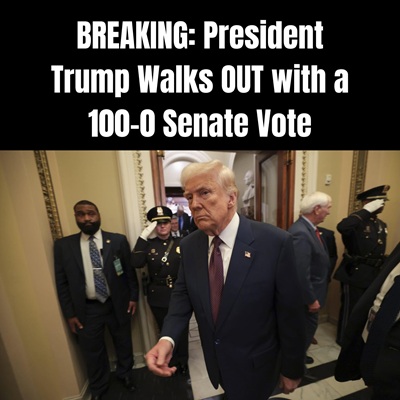
“Trump Approves Legislation to Make Tips Tax-Free”

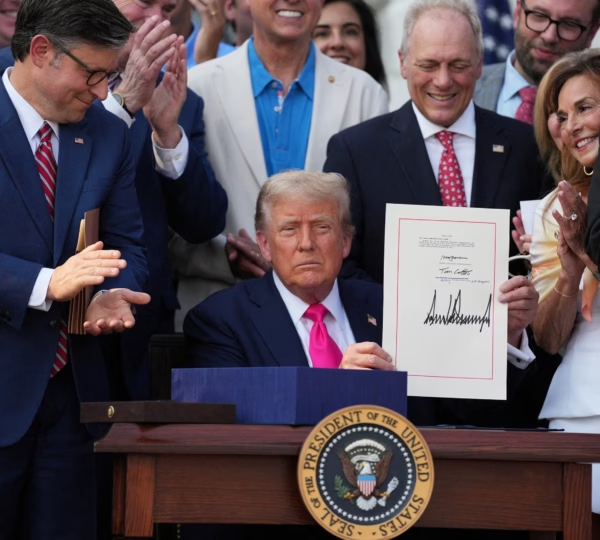
On July 4, 2025, President Donald J. Trump formally signed into law the One Big Beautiful Bill Act (OBBB).

A sweeping legislative measure aimed at permanently extending tax reductions that were initially scheduled to expire at the end of 2025, while also providing new targeted deductions designed to support specific sectors of the workforce.

The signing ceremony, held at the White House with members of Congress, business leaders, and workers in attendance, was presented as a celebration of what the administration called “the enduring American work ethic,” with the President emphasizing the need to make tax relief permanent for hardworking Americans.

The law primarily ensures that trillions of dollars in existing tax cuts remain in place permanently, eliminating the previously planned expiration that had caused concern for families and businesses alike.

This provision alone has been projected to affect millions of Americans, with particular emphasis on those in the service and hospitality industries, where wage growth has historically lagged behind inflation and living costs.

Beyond simply maintaining prior cuts, the OBBB also introduces new deductions and benefits designed to target specific challenges faced by certain groups.

These include tax-free treatment of overtime pay, a measure designed to encourage additional working hours without penalizing employees through increased tax liability, and an extra deduction for seniors, intended to alleviate financial pressure for older Americans living on fixed incomes.

According to the Congressional Budget Office (CBO), the One Big Beautiful Bill is expected to increase the federal deficit by approximately $3.4 trillion over the next ten years.

While this projection has raised concerns among some fiscal conservatives, proponents argue that the economic stimulus generated by increased disposable income for service workers and other targeted groups will generate additional spending and growth, which could partially offset long-term fiscal costs.

The debate over the trade-offs between deficit spending and immediate economic relief has dominated discussions in Congress and in public commentary since the bill’s introduction.

One of the most discussed features of the OBBB is its impact on workers in the service industry, including hospitality staff, servers, bartenders, and other personnel whose earnings often include tips and overtime.

By making overtime pay tax-exempt, the bill effectively allows employees who work long hours to retain more of their income without being subjected to the higher marginal tax rates that would otherwise apply.

This has been described by economists as a significant incentive for both employers and employees, allowing businesses to schedule longer shifts without reducing take-home pay for workers, while also potentially improving retention rates in industries historically plagued by turnover.

The bill has been particularly popular among hospitality workers, a sector that often experiences irregular hours, high physical demands, and reliance on customer tips.

Although the provision for tax-free overtime is technically a targeted deduction rather than a universal tax cut, it has been widely perceived by workers as a substantial financial benefit.

n a joint statement, Senator Ted Cruz of Texas, who co-sponsored the bill alongside Senator Jacky Rosen of Nevada, emphasized the fairness of the measure: “This is about fairness.

These workers are putting in long hours, living paycheck to paycheck, and they deserve to keep more of what they earn. This legislation ensures that the backbone of our economy is respected and rewarded for their hard work.”

Senator Rosen, speaking from Las Vegas, a state with a significant tourism-dependent economy, highlighted the importance of the bill for workers in sectors like hospitality, entertainment, and service:

“Service workers in tourism-heavy economies are the backbone of the economy. This bill gives them the respect and support they deserve.

By keeping more of their earnings, they are empowered to take care of their families, invest in their futures, and remain motivated in jobs that often demand extraordinary hours and energy.”

A particularly noteworthy aspect of the legislation is the No Tax on Tips Act, an amendment embedded within OBBB that addresses long-standing grievances regarding how tips are treated under the federal tax code.

Under current law prior to OBBB, tipped workers were required to report all tip income to the Internal Revenue Service (IRS), and employers were obliged to withhold income taxes on those amounts.
This meant that a server, bartender, or delivery worker might have a significant portion of their tips taxed, even though such income is often unpredictable and earned on a day-to-day basis.

The new law allows tip income to be reported but not taxed at the federal level, effectively providing workers with the ability to keep all the tips they earn.

This provision excludes employer-paid wages, salaries, and bonuses, as well as automatic service fees such as mandatory 20% tips for large parties.

The law also excludes individuals employed in Specified Service Trades or Businesses (SSTBs), which generally cover professions where skill is the primary asset, including certain law, finance, consulting, and professional services roles.

The intent is to focus the benefits on workers whose income depends largely on customer interactions and who traditionally have faced volatility in earnings.

Supporters argue that exempting tip income and overtime pay provides substantial financial relief to millions of Americans while also supporting small businesses.

By reducing the tax burden on employees, the measure potentially increases consumer spending power, which in turn can stimulate local economies.

Small business owners in the restaurant and hospitality industries have particularly praised the measure, noting that it may help address staffing shortages that have been persistent in recent years.

Many employers have reported difficulty retaining skilled employees due to low wages, unpredictable hours, and high taxation on tips.

By allowing workers to retain more of their income, the legislation is expected to improve employee satisfaction and retention rates.

In addition to targeting service workers, the OBBB includes benefits for seniors, recognizing the financial challenges faced by older Americans living on fixed incomes.

The new deduction provides additional relief for retirees who are no longer benefiting from traditional employer-based income but who still face rising costs of healthcare, housing, and daily living expenses.

By combining provisions for both working-age service employees and seniors, the legislation seeks to provide broad-based relief across multiple demographic groups, emphasizing fairness while also promoting economic activity.

Critics of the legislation, however, have noted that while the bill provides clear benefits for certain sectors, it is not a universal tax cut.

Economists and policy analysts have pointed out that the targeted nature of deductions favors particular industries and income groups over others, which may raise questions about equity and the long-term sustainability of deficit spending.

For example, while service industry workers may benefit, other low-income workers without overtime or tip-based earnings do not see similar relief, potentially exacerbating disparities.

Additionally, the projected $3.4 trillion increase in federal deficits over ten years has led some fiscal conservatives and budget analysts to caution that the long-term cost could outweigh short-term benefits unless paired with offsetting measures or future economic growth.

Despite these critiques, polling and public sentiment suggest that the bill has broad appeal among workers who directly benefit from its provisions.

Surveys conducted in mid-2025 indicate that over 70% of hospitality workers expressed approval of the tax-free overtime and tip provisions, citing improvements in financial security, morale, and the ability to plan for the future.

Many have noted that even small adjustments in take-home pay can significantly impact day-to-day life, from paying for childcare and transportation to covering unexpected medical expenses.

Senator Cruz has highlighted the bipartisan potential for similar reforms in the future, noting that while the OBBB was introduced jointly with Senator Rosen, there is room for additional legislation that could expand benefits to other essential workers or regions with similar economic structures.

Senator Rosen echoed this sentiment, emphasizing the broader philosophy of recognizing labor and hard work as deserving of fair compensation.

In practice, the implementation of the No Tax on Tips Act will require coordination between employees, employers, and the IRS.

Employers will need to continue tracking tip income for reporting purposes, while ensuring that federal taxes are no longer withheld from those earnings.

The IRS has indicated that it will release detailed guidance on compliance and record-keeping to ensure that the transition is smooth for businesses and workers alike.
For workers, this change represents more than just additional income. It represents acknowledgment of their labor, skills, and contributions, especially in industries where long hours, physical demands, and reliance on discretionary income from customers can make financial stability difficult to achieve.

In states with large tourism economies, like Nevada, Florida, and California, the effect is expected to be particularly pronounced, providing both direct financial relief and boosting consumer confidence as workers have more money available to spend in local markets.

Supporters also emphasize the symbolic significance of the bill.

By addressing a long-standing grievance in the federal tax code—where tips and overtime were treated as taxable income—the legislation signals that policymakers are listening to the realities of workers’ lives.

In doing so, it bridges a historical gap between legislation that has traditionally favored salaried or high-income earners and the day-to-day financial needs of frontline service employees.

Overall, the One Big Beautiful Bill Act represents a significant intervention in the U.S. tax code with multiple layers of impact.

It extends trillions in previously expiring tax cuts, introduces targeted deductions for overtime pay and seniors, and removes federal taxation on tips for millions of service industry employees.

It has drawn praise for supporting workers, small businesses, and tourism-driven economies while simultaneously attracting criticism for its potential long-term impact on federal deficits and its uneven application across different sectors.

As the law takes effect, economists, policymakers, and workers alike will be watching closely to assess its real-world impacts.

Analysts will monitor whether additional take-home income translates into increased spending, whether small businesses experience measurable improvements in staffing and retention, and whether the deficit projections prove accurate or require future corrective measures.

For millions of workers, however, the immediate effect is tangible: more money in their pockets, recognition of their labor, and the ability to plan for holidays, bills, and emergencies without the constant worry of excessive taxation on tips or overtime.

In summary, the OBBB combines a permanent extension of existing tax breaks with new targeted benefits for service workers and seniors, alongside historic changes in the taxation of tips and overtime pay.

While debates about fairness, equity, and fiscal responsibility continue, the legislation has already reshaped the financial landscape for millions of Americans, particularly those who make up the backbone of the nation’s service economy.

Supporters hail it as a landmark measure for worker rights and financial security, critics caution against its long-term fiscal impact, and for the workers in restaurants, hotels, bars, and entertainment venues across the country, it is likely to be remembered as a rare moment when federal law directly acknowledged their contributions and eased the burdens of their daily lives.

On July 4, 2025, President Donald J. Trump formally signed into law the One Big Beautiful Bill Act (OBBB).

A sweeping legislative measure aimed at permanently extending tax reductions that were initially scheduled to expire at the end of 2025, while also providing new targeted deductions designed to support specific sectors of the workforce.

The signing ceremony, held at the White House with members of Congress, business leaders, and workers in attendance, was presented as a celebration of what the administration called “the enduring American work ethic,” with the President emphasizing the need to make tax relief permanent for hardworking Americans.

The law primarily ensures that trillions of dollars in existing tax cuts remain in place permanently, eliminating the previously planned expiration that had caused concern for families and businesses alike.

This provision alone has been projected to affect millions of Americans, with particular emphasis on those in the service and hospitality industries, where wage growth has historically lagged behind inflation and living costs.

Beyond simply maintaining prior cuts, the OBBB also introduces new deductions and benefits designed to target specific challenges faced by certain groups.

These include tax-free treatment of overtime pay, a measure designed to encourage additional working hours without penalizing employees through increased tax liability, and an extra deduction for seniors, intended to alleviate financial pressure for older Americans living on fixed incomes.

According to the Congressional Budget Office (CBO), the One Big Beautiful Bill is expected to increase the federal deficit by approximately $3.4 trillion over the next ten years.

While this projection has raised concerns among some fiscal conservatives, proponents argue that the economic stimulus generated by increased disposable income for service workers and other targeted groups will generate additional spending and growth, which could partially offset long-term fiscal costs.

The debate over the trade-offs between deficit spending and immediate economic relief has dominated discussions in Congress and in public commentary since the bill’s introduction.

One of the most discussed features of the OBBB is its impact on workers in the service industry, including hospitality staff, servers, bartenders, and other personnel whose earnings often include tips and overtime.

By making overtime pay tax-exempt, the bill effectively allows employees who work long hours to retain more of their income without being subjected to the higher marginal tax rates that would otherwise apply.

This has been described by economists as a significant incentive for both employers and employees, allowing businesses to schedule longer shifts without reducing take-home pay for workers, while also potentially improving retention rates in industries historically plagued by turnover.

The bill has been particularly popular among hospitality workers, a sector that often experiences irregular hours, high physical demands, and reliance on customer tips.

Although the provision for tax-free overtime is technically a targeted deduction rather than a universal tax cut, it has been widely perceived by workers as a substantial financial benefit.

n a joint statement, Senator Ted Cruz of Texas, who co-sponsored the bill alongside Senator Jacky Rosen of Nevada, emphasized the fairness of the measure: “This is about fairness.

These workers are putting in long hours, living paycheck to paycheck, and they deserve to keep more of what they earn. This legislation ensures that the backbone of our economy is respected and rewarded for their hard work.”

Senator Rosen, speaking from Las Vegas, a state with a significant tourism-dependent economy, highlighted the importance of the bill for workers in sectors like hospitality, entertainment, and service:

“Service workers in tourism-heavy economies are the backbone of the economy. This bill gives them the respect and support they deserve.

By keeping more of their earnings, they are empowered to take care of their families, invest in their futures, and remain motivated in jobs that often demand extraordinary hours and energy.”

A particularly noteworthy aspect of the legislation is the No Tax on Tips Act, an amendment embedded within OBBB that addresses long-standing grievances regarding how tips are treated under the federal tax code.

Under current law prior to OBBB, tipped workers were required to report all tip income to the Internal Revenue Service (IRS), and employers were obliged to withhold income taxes on those amounts.

This meant that a server, bartender, or delivery worker might have a significant portion of their tips taxed, even though such income is often unpredictable and earned on a day-to-day basis.

The new law allows tip income to be reported but not taxed at the federal level, effectively providing workers with the ability to keep all the tips they earn.

This provision excludes employer-paid wages, salaries, and bonuses, as well as automatic service fees such as mandatory 20% tips for large parties.

The law also excludes individuals employed in Specified Service Trades or Businesses (SSTBs), which generally cover professions where skill is the primary asset, including certain law, finance, consulting, and professional services roles.

The intent is to focus the benefits on workers whose income depends largely on customer interactions and who traditionally have faced volatility in earnings.

Supporters argue that exempting tip income and overtime pay provides substantial financial relief to millions of Americans while also supporting small businesses.

By reducing the tax burden on employees, the measure potentially increases consumer spending power, which in turn can stimulate local economies.

Small business owners in the restaurant and hospitality industries have particularly praised the measure, noting that it may help address staffing shortages that have been persistent in recent years.

Many employers have reported difficulty retaining skilled employees due to low wages, unpredictable hours, and high taxation on tips.

By allowing workers to retain more of their income, the legislation is expected to improve employee satisfaction and retention rates.

In addition to targeting service workers, the OBBB includes benefits for seniors, recognizing the financial challenges faced by older Americans living on fixed incomes.

The new deduction provides additional relief for retirees who are no longer benefiting from traditional employer-based income but who still face rising costs of healthcare, housing, and daily living expenses.

By combining provisions for both working-age service employees and seniors, the legislation seeks to provide broad-based relief across multiple demographic groups, emphasizing fairness while also promoting economic activity.

Critics of the legislation, however, have noted that while the bill provides clear benefits for certain sectors, it is not a universal tax cut.

Economists and policy analysts have pointed out that the targeted nature of deductions favors particular industries and income groups over others, which may raise questions about equity and the long-term sustainability of deficit spending.

For example, while service industry workers may benefit, other low-income workers without overtime or tip-based earnings do not see similar relief, potentially exacerbating disparities.

Additionally, the projected $3.4 trillion increase in federal deficits over ten years has led some fiscal conservatives and budget analysts to caution that the long-term cost could outweigh short-term benefits unless paired with offsetting measures or future economic growth.

Despite these critiques, polling and public sentiment suggest that the bill has broad appeal among workers who directly benefit from its provisions.

Surveys conducted in mid-2025 indicate that over 70% of hospitality workers expressed approval of the tax-free overtime and tip provisions, citing improvements in financial security, morale, and the ability to plan for the future.

Many have noted that even small adjustments in take-home pay can significantly impact day-to-day life, from paying for childcare and transportation to covering unexpected medical expenses.

Senator Cruz has highlighted the bipartisan potential for similar reforms in the future, noting that while the OBBB was introduced jointly with Senator Rosen, there is room for additional legislation that could expand benefits to other essential workers or regions with similar economic structures.

Senator Rosen echoed this sentiment, emphasizing the broader philosophy of recognizing labor and hard work as deserving of fair compensation.

In practice, the implementation of the No Tax on Tips Act will require coordination between employees, employers, and the IRS.

Employers will need to continue tracking tip income for reporting purposes, while ensuring that federal taxes are no longer withheld from those earnings.

The IRS has indicated that it will release detailed guidance on compliance and record-keeping to ensure that the transition is smooth for businesses and workers alike.

For workers, this change represents more than just additional income. It represents acknowledgment of their labor, skills, and contributions, especially in industries where long hours, physical demands, and reliance on discretionary income from customers can make financial stability difficult to achieve.

In states with large tourism economies, like Nevada, Florida, and California, the effect is expected to be particularly pronounced, providing both direct financial relief and boosting consumer confidence as workers have more money available to spend in local markets.

Supporters also emphasize the symbolic significance of the bill.

By addressing a long-standing grievance in the federal tax code—where tips and overtime were treated as taxable income—the legislation signals that policymakers are listening to the realities of workers’ lives.

In doing so, it bridges a historical gap between legislation that has traditionally favored salaried or high-income earners and the day-to-day financial needs of frontline service employees.

Overall, the One Big Beautiful Bill Act represents a significant intervention in the U.S. tax code with multiple layers of impact.

It extends trillions in previously expiring tax cuts, introduces targeted deductions for overtime pay and seniors, and removes federal taxation on tips for millions of service industry employees.

It has drawn praise for supporting workers, small businesses, and tourism-driven economies while simultaneously attracting criticism for its potential long-term impact on federal deficits and its uneven application across different sectors.

As the law takes effect, economists, policymakers, and workers alike will be watching closely to assess its real-world impacts.

Analysts will monitor whether additional take-home income translates into increased spending, whether small businesses experience measurable improvements in staffing and retention, and whether the deficit projections prove accurate or require future corrective measures.

For millions of workers, however, the immediate effect is tangible: more money in their pockets, recognition of their labor, and the ability to plan for holidays, bills, and emergencies without the constant worry of excessive taxation on tips or overtime.

In summary, the OBBB combines a permanent extension of existing tax breaks with new targeted benefits for service workers and seniors, alongside historic changes in the taxation of tips and overtime pay.

While debates about fairness, equity, and fiscal responsibility continue, the legislation has already reshaped the financial landscape for millions of Americans, particularly those who make up the backbone of the nation’s service economy.

Supporters hail it as a landmark measure for worker rights and financial security, critics caution against its long-term fiscal impact, and for the workers in restaurants, hotels, bars, and entertainment venues across the country, it is likely to be remembered as a rare moment when federal law directly acknowledged their contributions and eased the burdens of their daily lives.