...

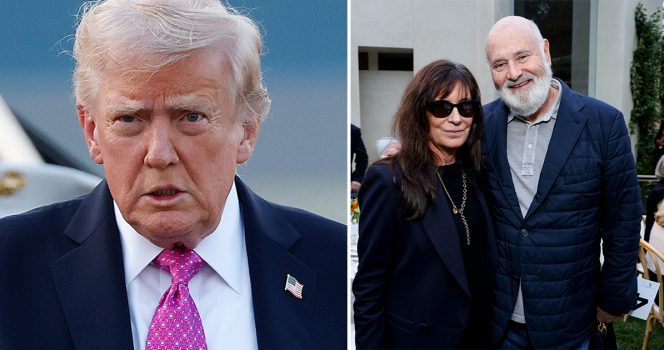
“Trump Criticized for Comments on Rob Reiner and Wife Following Apparent Homicide”

More unsettling details and intense political controversies have emerged in the aftermath of the tragic deaths of acclaimed filmmaker Rob Reiner and his wife, Michele Singer Reiner.

Were found dead in their Brentwood, Los Angeles home on Sunday, December 14, 2025.

The couple’s deaths — investigated as a homicide involving fatal stab wounds — have shocked Hollywood, the entertainment industry, and the broader public.

While the focus initially centered on the circumstances of the deaths and the ongoing police investigation, former President Donald Trump’s response to the tragedy has now become a major national flashpoint, prompting widespread debate, condemnation, and political uproar.
Confirmation of Reiner’s Death and the LAPD Investigation

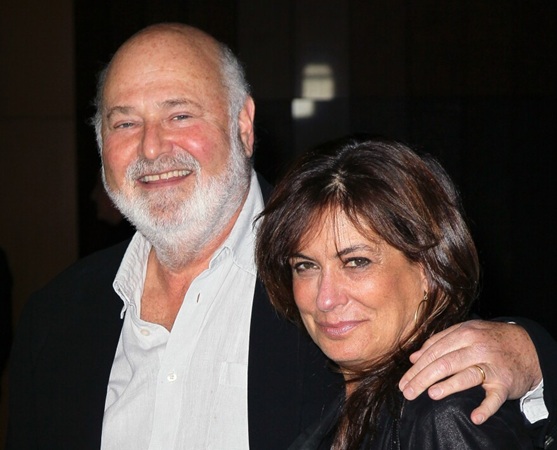
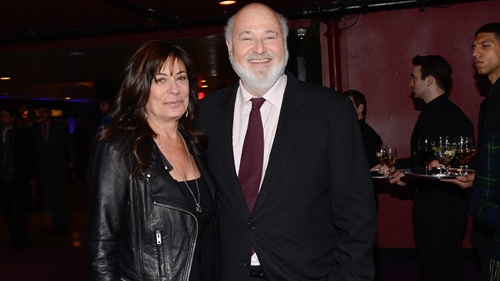
Rob Reiner, 78, and his wife, 68‑year‑old Michele Singer Reiner, were discovered by authorities responding to a medical aid call at their Brentwood home on Sunday.

Multiple news outlets report that both suffered fatal stab wounds and were pronounced dead at the scene.

The couple’s son, Nick Reiner, 32, has since been arrested and charged in connection with the deaths, with a high bail amount reported.

Rob Reiner was not only a towering figure in American cinema — directing classics from This Is Spinal Tap to When Harry Met Sally… — but also a prominent political activist and outspoken critic of Donald Trump.

His career spanned decades as an actor, director, producer, and advocate for various social causes, including marriage equality and education reform.

Trump’s Reaction and Public Statements

In the immediate aftermath of the news, Donald Trump took to Truth Social to issue a statement that shifted from condolence to criticism, arousing substantial backlash from both sides of the political spectrum.
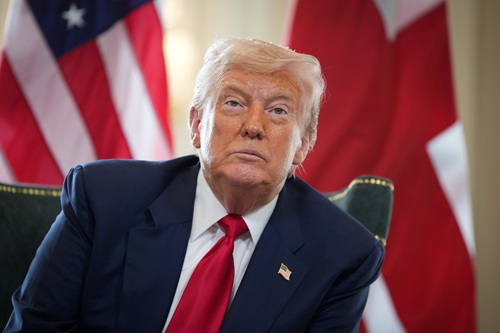
In his post, Trump wrote that Reiner had died “due to the anger he caused others through his massive, unyielding, and incurable affliction with a mind‑crippling disease known as TRUMP DERANGEMENT SYNDROME” (often abbreviated as TDS).

He added that Reiner’s longstanding criticism of him had “driven people crazy.”

The statement concluded with a belated offer of peace: “May Rob and Michele rest in peace!”

This framing — linking Reiner’s tragic death to his political views and criticizing him even in the context of a violent homicide — was widely deemed insensitive and inflammatory, and quickly sparked broad public response.

Bipartisan Criticism and Public Outrage

Unlike many political reactions that remain polarized, Trump’s remarks drew sharp criticism from leaders, commentators, and public figures across party lines:

Democratic voices and activists condemned the statement as callous, disrespectful, and a politicization of a family tragedy.

Republican lawmakers and conservative commentators, usually supportive of Trump, also rebuked the tone.

Some urged empathy and restraint in the wake of a violent crime, emphasizing that mourning families deserve respect and privacy.
Public figures in entertainment and media — though varied in their opinions of Reiner’s politics — decried the decision to make a political statement tied to a violent death.

The intensity of the backlash was underscored by reactions not only from Democrats but from Republican leaders critical of the approach, who described it as insensitive and inappropriate at a moment of legitimate grief and loss.

Why Trump’s Response Sparked Such Strong Reaction

Several factors contributed to the strength of public reaction:

Timing and Tone: Trump’s comments came shortly after the widely reported deaths of two people — a prominent filmmaker and his wife — in what police are treating as a homicide.

For many observers, the language used appeared to minimize the tragedy and instead focus on political criticism.

Public Role and Leadership Expectations: Many critics argued that the former president — particularly when speaking from a position of influence — has a responsibility to show dignity and empathy following violent personal losses, regardless of political disagreements.

Nature of the Crime: Law enforcement investigations are ongoing, focusing on an apparent family tragedy, not political violence.

Police have not linked the deaths to any political motive, instead focusing on family dynamics and evidence at the scene.

Broad Respect for Reiner’s Legacy: Even those who disagreed with Reiner’s political views acknowledged his contributions to culture and film.
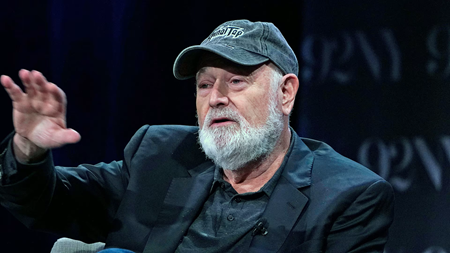
The combination of his lifetime achievements and the violence of the deaths heightened the emotional stakes of public commentary.

Reiner’s Political Criticism of Trump Was Well Known

Rob Reiner’s political activism was part of his public identity. Over the years, he had been a consistent voice critical of Donald Trump’s policies and conduct, particularly during and after Trump’s presidency.

His critics labeled his positions as strong or polarizing, and his supporters praised his willingness to speak out on civil rights, democracy, and social issues.

That context helps explain why Trump referenced Reiner’s political views.

However, the decision to frame those views as causative of his death — particularly in language invoking terms like “Trump Derangement Syndrome” — was widely seen as a controversial and provocative rhetorical choice.

Broader Reaction in Media and Culture

The story has rippled beyond political circles into media, entertainment, and culture. Coverage has included:

Tributes to Reiner’s film legacy, noting his work as an actor and director that shaped generations of audiences.

Discussion of political discourse and civility, especially around how public figures respond to tragedies.

Debates about leadership and empathy, as observers weighed the responsibilities of past and current national leaders during moments of private grief that become public news.
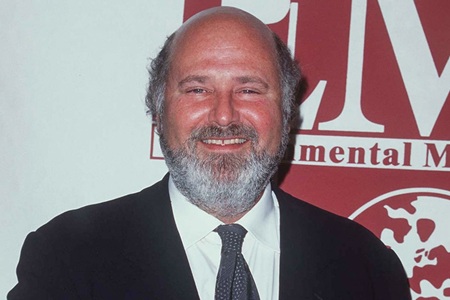
Public figures and commentators who knew Reiner personally or professionally have expressed sorrow over the losses and emphasized his contributions to arts and activism.

Conclusion — A Story That Resonates Deeply

The deaths of Rob Reiner and Michele Singer Reiner have touched multiple fault lines in American society: grief and loss, violent crime, political division, and the expectations placed on public figures.

The ensuing debate over Donald Trump’s remarks highlights how, even in the face of tragedy, political rhetoric can deeply shape public conversation.

As law enforcement continues its investigation and families mourn, many voices across the political and cultural spectrum have made clear one overarching sentiment:

a human life lost to violence is not a moment for political attack, and empathy should never be optional.

More unsettling details and intense political controversies have emerged in the aftermath of the tragic deaths of acclaimed filmmaker Rob Reiner and his wife, Michele Singer Reiner.

Were found dead in their Brentwood, Los Angeles home on Sunday, December 14, 2025.

The couple’s deaths — investigated as a homicide involving fatal stab wounds — have shocked Hollywood, the entertainment industry, and the broader public.

While the focus initially centered on the circumstances of the deaths and the ongoing police investigation, former President Donald Trump’s response to the tragedy has now become a major national flashpoint, prompting widespread debate, condemnation, and political uproar.

Confirmation of Reiner’s Death and the LAPD Investigation

Rob Reiner, 78, and his wife, 68‑year‑old Michele Singer Reiner, were discovered by authorities responding to a medical aid call at their Brentwood home on Sunday.

Multiple news outlets report that both suffered fatal stab wounds and were pronounced dead at the scene.

The couple’s son, Nick Reiner, 32, has since been arrested and charged in connection with the deaths, with a high bail amount reported.

Rob Reiner was not only a towering figure in American cinema — directing classics from This Is Spinal Tap to When Harry Met Sally… — but also a prominent political activist and outspoken critic of Donald Trump.

His career spanned decades as an actor, director, producer, and advocate for various social causes, including marriage equality and education reform.

Trump’s Reaction and Public Statements

In the immediate aftermath of the news, Donald Trump took to Truth Social to issue a statement that shifted from condolence to criticism, arousing substantial backlash from both sides of the political spectrum.

In his post, Trump wrote that Reiner had died “due to the anger he caused others through his massive, unyielding, and incurable affliction with a mind‑crippling disease known as TRUMP DERANGEMENT SYNDROME” (often abbreviated as TDS).

He added that Reiner’s longstanding criticism of him had “driven people crazy.”

The statement concluded with a belated offer of peace: “May Rob and Michele rest in peace!”

This framing — linking Reiner’s tragic death to his political views and criticizing him even in the context of a violent homicide — was widely deemed insensitive and inflammatory, and quickly sparked broad public response.

Bipartisan Criticism and Public Outrage

Unlike many political reactions that remain polarized, Trump’s remarks drew sharp criticism from leaders, commentators, and public figures across party lines:

Democratic voices and activists condemned the statement as callous, disrespectful, and a politicization of a family tragedy.

Republican lawmakers and conservative commentators, usually supportive of Trump, also rebuked the tone.

Some urged empathy and restraint in the wake of a violent crime, emphasizing that mourning families deserve respect and privacy.

Public figures in entertainment and media — though varied in their opinions of Reiner’s politics — decried the decision to make a political statement tied to a violent death.

The intensity of the backlash was underscored by reactions not only from Democrats but from Republican leaders critical of the approach, who described it as insensitive and inappropriate at a moment of legitimate grief and loss.

Why Trump’s Response Sparked Such Strong Reaction

Several factors contributed to the strength of public reaction:

Timing and Tone: Trump’s comments came shortly after the widely reported deaths of two people — a prominent filmmaker and his wife — in what police are treating as a homicide.

For many observers, the language used appeared to minimize the tragedy and instead focus on political criticism.

Public Role and Leadership Expectations: Many critics argued that the former president — particularly when speaking from a position of influence — has a responsibility to show dignity and empathy following violent personal losses, regardless of political disagreements.

Nature of the Crime: Law enforcement investigations are ongoing, focusing on an apparent family tragedy, not political violence.

Police have not linked the deaths to any political motive, instead focusing on family dynamics and evidence at the scene.

Broad Respect for Reiner’s Legacy: Even those who disagreed with Reiner’s political views acknowledged his contributions to culture and film.

The combination of his lifetime achievements and the violence of the deaths heightened the emotional stakes of public commentary.

Reiner’s Political Criticism of Trump Was Well Known

Rob Reiner’s political activism was part of his public identity. Over the years, he had been a consistent voice critical of Donald Trump’s policies and conduct, particularly during and after Trump’s presidency.

His critics labeled his positions as strong or polarizing, and his supporters praised his willingness to speak out on civil rights, democracy, and social issues.

That context helps explain why Trump referenced Reiner’s political views.

However, the decision to frame those views as causative of his death — particularly in language invoking terms like “Trump Derangement Syndrome” — was widely seen as a controversial and provocative rhetorical choice.

Broader Reaction in Media and Culture

The story has rippled beyond political circles into media, entertainment, and culture. Coverage has included:

Tributes to Reiner’s film legacy, noting his work as an actor and director that shaped generations of audiences.

Discussion of political discourse and civility, especially around how public figures respond to tragedies.

Debates about leadership and empathy, as observers weighed the responsibilities of past and current national leaders during moments of private grief that become public news.

Public figures and commentators who knew Reiner personally or professionally have expressed sorrow over the losses and emphasized his contributions to arts and activism.

Conclusion — A Story That Resonates Deeply

The deaths of Rob Reiner and Michele Singer Reiner have touched multiple fault lines in American society: grief and loss, violent crime, political division, and the expectations placed on public figures.

The ensuing debate over Donald Trump’s remarks highlights how, even in the face of tragedy, political rhetoric can deeply shape public conversation.

As law enforcement continues its investigation and families mourn, many voices across the political and cultural spectrum have made clear one overarching sentiment:

a human life lost to violence is not a moment for political attack, and empathy should never be optional.