...

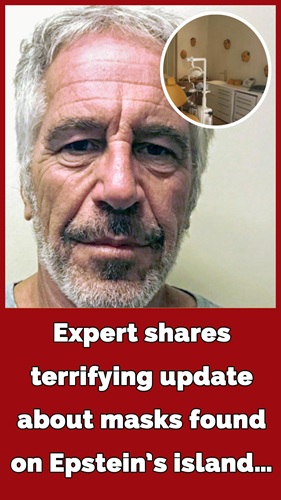
A forensic specialist has identified some of the 11 disturbing masks displayed on the wall in Jeffrey Epstein’s so-called ‘fetish room.’

Hearing the name Jeffrey Epstein often brings to mind unsettling associations, largely because of the extensive allegations, criminal charges, and investigations that surrounded him for many years.

Epstein, a financier with influential connections, was arrested in 2019 on federal sex-trafficking charges.

Although he died later that year while awaiting trial, the public conversation about his activities, his associates, and the properties he owned has not faded.

In fact, the interest surrounding his case has only grown stronger.
Investigators, journalists, researchers, and members of the public continue to examine thousands of pages of documents, evidence logs, travel records, and legal filings.

This large body of material is often referred to as the “Epstein files,” and numerous advocacy groups have repeatedly called for complete transparency regarding these documents so the public can better understand the scope of the investigations.

In this ongoing context, a new wave of attention emerged when recently released photographs from Epstein’s private island—Little St. James in the U.S. Virgin Islands—began circulating online.

The photos were shared as part of ongoing oversight efforts by government officials, who stated that the release aims to provide clearer insight into the environment investigators encountered.

These images have reignited widespread curiosity and raised fresh questions about what may have occurred on the property, as they show rooms and details that had not been publicly revealed before.

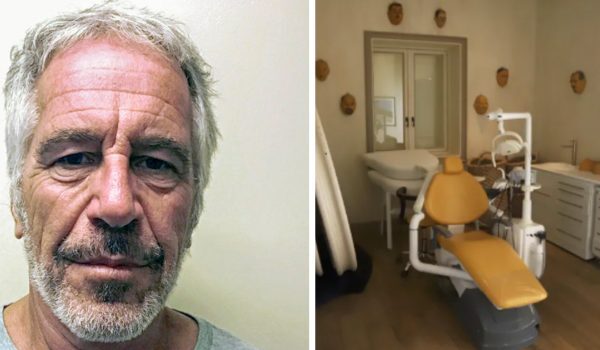
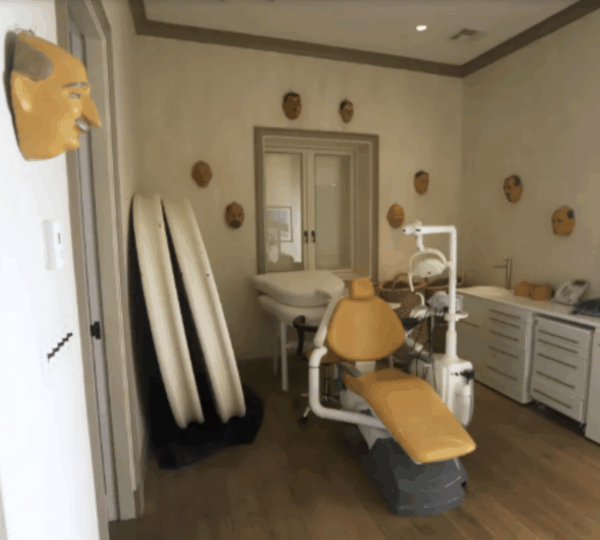
One of the most striking discoveries in the newly released materials is a room containing a set of unusual masks mounted on the walls near what appears to be a private dentist’s chair.

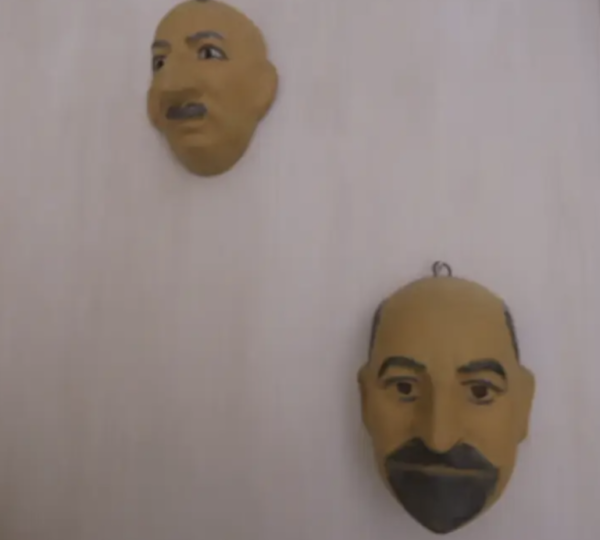
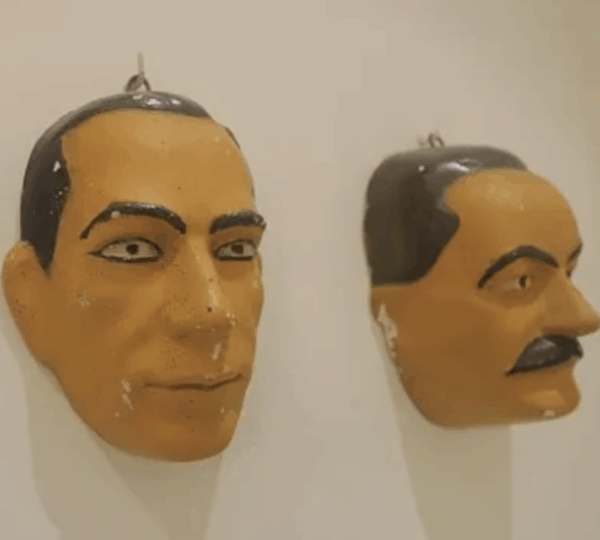
The masks are expressionless male faces, molded in a stylized manner that gives them a haunting appearance.
Their origin, purpose, and meaning remain unclear, and no official explanation has been provided.

Nonetheless, the images have sparked lively discussion online, with viewers debating whether the masks served as decoration, belonged to a collection, or held some symbolic significance.

The broader set of photos also includes multiple bedrooms, bathrooms, storage areas, and a variety of personal spaces, suggesting the island contained both residential and recreational environments.

Representative Robert Garcia, ranking member of the House Oversight Committee, addressed the release in a formal statement.

He emphasized that the materials were made public to support transparency and to help citizens better understand the work of investigators who sought to uncover Epstein’s activities and the networks surrounding him.

According to Garcia, providing these visuals is part of a broader effort to complete the public record.

Former FBI special agent Jennifer Coffindaffer, speaking to media outlets including the Daily Mail, offered insight into how investigators typically handle unusual or unexplained items found at a property linked to criminal allegations.

She noted that masks, depending on context, can sometimes be relevant to investigations involving exploitation or concealment, but she also stressed that there is no confirmed evidence that these particular masks were used in any criminal way.

Coffindaffer explained that in standard procedure, forensic analysts would examine such objects for potential biological traces—such as fingerprints, hair, DNA, or fibers—to determine if they had been handled frequently or played any role in illicit activity.

She added that even household items or decorative pieces can become important clues if investigators determine they hold evidentiary value.

Among all the images, the photograph showing the solitary dentist’s chair surrounded by eleven mask faces has drawn the most attention.
Coffindaffer noted that it is not unheard of for wealthy individuals to install professional-grade equipment—such as dental chairs, massage tables, or medical devices—on their private properties for personal convenience.

However, she acknowledged that the unique combination of the chair and the surrounding masks would immediately stand out during a forensic review because investigators look carefully at any unusual or unexplained room layouts.

Whether the space was used for personal hobbies, medical needs, or something else entirely remains unknown.

The masks themselves have also become the subject of analysis by Dr. G, a clinical and forensic psychologist known for his body-language and symbolism commentary on YouTube.

In a detailed video, he attempted to identify figures that the masks might represent.

While stressing that none of the identifications are confirmed, he suggested that some masks appear to resemble historic entertainers and political figures.

For example, he pointed out similarities to classic comedians Stan Laurel and Oliver Hardy, as well as potential likenesses of well-known leaders such as Vladimir Lenin or Charles de Gaulle.

He emphasized that these observations should be taken cautiously due to the masks’ limited craftsmanship, which makes accurate identification difficult.

Dr. G continued by suggesting that one of the masks might be modeled after actor Humphrey Bogart, while another could resemble Joseph Stalin, based on general facial shapes and stylized features.

He also noted that one mask had characteristics reminiscent of either Charlie Chaplin or possibly Adolf Hitler, though he again emphasized that this was purely speculative and not definitive.

The uncertain nature of the masks’ identities has only fueled further discussion online.

Looking at the collection as a whole, Dr. G proposed that the unifying theme appears to be influential or recognizable public figures—performers, world leaders, and historical personalities.

According to him, this assortment might reflect Epstein’s long-documented interest in surrounding himself with powerful, accomplished, or culturally significant individuals.

Epstein was known for cultivating social circles that included celebrities, academics, business leaders, and politicians, and Dr. G suggested the masks could symbolically mirror that pattern.

An additional detail that may help explain the presence of dental equipment on the island comes from a report by The New York Times.
The paper noted that Epstein’s last known girlfriend before his death was a practicing dentist who operated out of an office linked to one of his companies.

This has led some observers to speculate that the dental chair might have been used for legitimate professional purposes or personal practice sessions; however, no official confirmation has been provided.

The release of these images has once again revived public interest in Epstein’s lifestyle, the design of his properties, and the social environment he cultivated.

Although many aspects of the island remain subjects of interpretation and investigation, the unusual masks—paired with their placement around a dental chair—continue to be among the most talked-about elements.

As new materials emerge, public discussion shows no signs of slowing down, and many people remain eager to understand the story behind the more mysterious objects found on the island.

What do you believe the purpose of the masks might have been? Feel free to share your thoughts in the comments.

Hearing the name Jeffrey Epstein often brings to mind unsettling associations, largely because of the extensive allegations, criminal charges, and investigations that surrounded him for many years.

Epstein, a financier with influential connections, was arrested in 2019 on federal sex-trafficking charges.

Although he died later that year while awaiting trial, the public conversation about his activities, his associates, and the properties he owned has not faded.

In fact, the interest surrounding his case has only grown stronger.

Investigators, journalists, researchers, and members of the public continue to examine thousands of pages of documents, evidence logs, travel records, and legal filings.

This large body of material is often referred to as the “Epstein files,” and numerous advocacy groups have repeatedly called for complete transparency regarding these documents so the public can better understand the scope of the investigations.

In this ongoing context, a new wave of attention emerged when recently released photographs from Epstein’s private island—Little St. James in the U.S. Virgin Islands—began circulating online.

The photos were shared as part of ongoing oversight efforts by government officials, who stated that the release aims to provide clearer insight into the environment investigators encountered.

These images have reignited widespread curiosity and raised fresh questions about what may have occurred on the property, as they show rooms and details that had not been publicly revealed before.

One of the most striking discoveries in the newly released materials is a room containing a set of unusual masks mounted on the walls near what appears to be a private dentist’s chair.

The masks are expressionless male faces, molded in a stylized manner that gives them a haunting appearance.

Their origin, purpose, and meaning remain unclear, and no official explanation has been provided.

Nonetheless, the images have sparked lively discussion online, with viewers debating whether the masks served as decoration, belonged to a collection, or held some symbolic significance.

The broader set of photos also includes multiple bedrooms, bathrooms, storage areas, and a variety of personal spaces, suggesting the island contained both residential and recreational environments.

Representative Robert Garcia, ranking member of the House Oversight Committee, addressed the release in a formal statement.

He emphasized that the materials were made public to support transparency and to help citizens better understand the work of investigators who sought to uncover Epstein’s activities and the networks surrounding him.

According to Garcia, providing these visuals is part of a broader effort to complete the public record.

Former FBI special agent Jennifer Coffindaffer, speaking to media outlets including the Daily Mail, offered insight into how investigators typically handle unusual or unexplained items found at a property linked to criminal allegations.

She noted that masks, depending on context, can sometimes be relevant to investigations involving exploitation or concealment, but she also stressed that there is no confirmed evidence that these particular masks were used in any criminal way.

Coffindaffer explained that in standard procedure, forensic analysts would examine such objects for potential biological traces—such as fingerprints, hair, DNA, or fibers—to determine if they had been handled frequently or played any role in illicit activity.

She added that even household items or decorative pieces can become important clues if investigators determine they hold evidentiary value.

Among all the images, the photograph showing the solitary dentist’s chair surrounded by eleven mask faces has drawn the most attention.

Coffindaffer noted that it is not unheard of for wealthy individuals to install professional-grade equipment—such as dental chairs, massage tables, or medical devices—on their private properties for personal convenience.

However, she acknowledged that the unique combination of the chair and the surrounding masks would immediately stand out during a forensic review because investigators look carefully at any unusual or unexplained room layouts.

Whether the space was used for personal hobbies, medical needs, or something else entirely remains unknown.

The masks themselves have also become the subject of analysis by Dr. G, a clinical and forensic psychologist known for his body-language and symbolism commentary on YouTube.

In a detailed video, he attempted to identify figures that the masks might represent.

While stressing that none of the identifications are confirmed, he suggested that some masks appear to resemble historic entertainers and political figures.

For example, he pointed out similarities to classic comedians Stan Laurel and Oliver Hardy, as well as potential likenesses of well-known leaders such as Vladimir Lenin or Charles de Gaulle.

He emphasized that these observations should be taken cautiously due to the masks’ limited craftsmanship, which makes accurate identification difficult.

Dr. G continued by suggesting that one of the masks might be modeled after actor Humphrey Bogart, while another could resemble Joseph Stalin, based on general facial shapes and stylized features.

He also noted that one mask had characteristics reminiscent of either Charlie Chaplin or possibly Adolf Hitler, though he again emphasized that this was purely speculative and not definitive.

The uncertain nature of the masks’ identities has only fueled further discussion online.

Looking at the collection as a whole, Dr. G proposed that the unifying theme appears to be influential or recognizable public figures—performers, world leaders, and historical personalities.

According to him, this assortment might reflect Epstein’s long-documented interest in surrounding himself with powerful, accomplished, or culturally significant individuals.

Epstein was known for cultivating social circles that included celebrities, academics, business leaders, and politicians, and Dr. G suggested the masks could symbolically mirror that pattern.

An additional detail that may help explain the presence of dental equipment on the island comes from a report by The New York Times.

The paper noted that Epstein’s last known girlfriend before his death was a practicing dentist who operated out of an office linked to one of his companies.

This has led some observers to speculate that the dental chair might have been used for legitimate professional purposes or personal practice sessions; however, no official confirmation has been provided.

The release of these images has once again revived public interest in Epstein’s lifestyle, the design of his properties, and the social environment he cultivated.

Although many aspects of the island remain subjects of interpretation and investigation, the unusual masks—paired with their placement around a dental chair—continue to be among the most talked-about elements.

As new materials emerge, public discussion shows no signs of slowing down, and many people remain eager to understand the story behind the more mysterious objects found on the island.

What do you believe the purpose of the masks might have been? Feel free to share your thoughts in the comments.