A ’70s Icon, 81, Left Hollywood to Fight a Mysterious Illness
Shelley Fabares, born Michele Ann Marie Fabares on January 19, 1944, in Santa Monica, California.
Is one of Hollywood’s most beloved actresses and singers, with a career spanning over six decades.
From her early work as a child performer to her rise as a teen idol and acclaimed television actress, Fabares’ journey is marked by talent, perseverance, and resilience in the face of life-changing health challenges.
Early Life and Family Background. Shelley was born into a family with strong artistic connections.
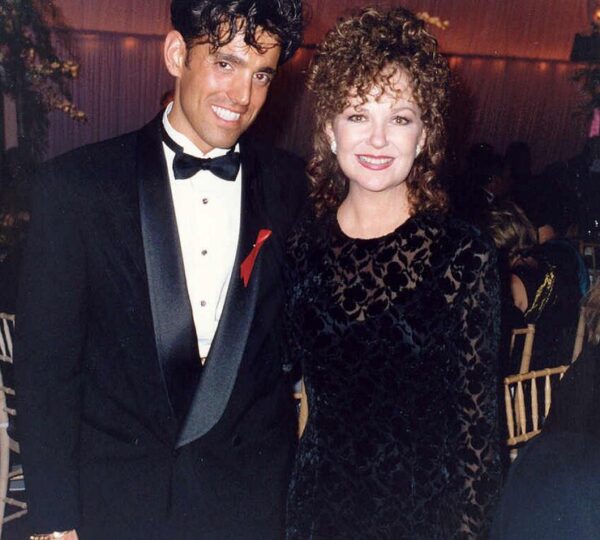
Her father, James Fabares, was a musician and her mother, Mary Fabares, encouraged Shelley’s interest in the performing arts from a very young age.
She began dancing, modeling, and performing in local theater productions as a child, demonstrating a natural talent and poise that would define her career.
By the early 1950s, Shelley had started appearing in television commercials and small TV roles, gaining early exposure in Hollywood. Her charisma and screen presence quickly caught the attention of producers, setting the stage for her big break.
Breakthrough: The Donna Reed Show
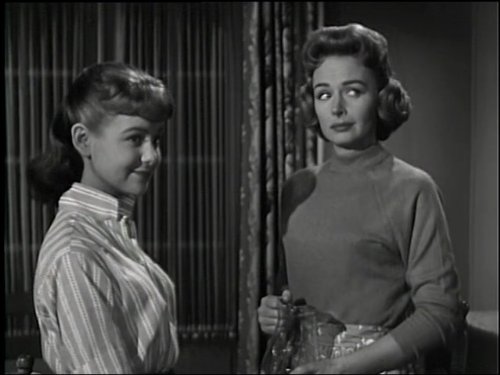
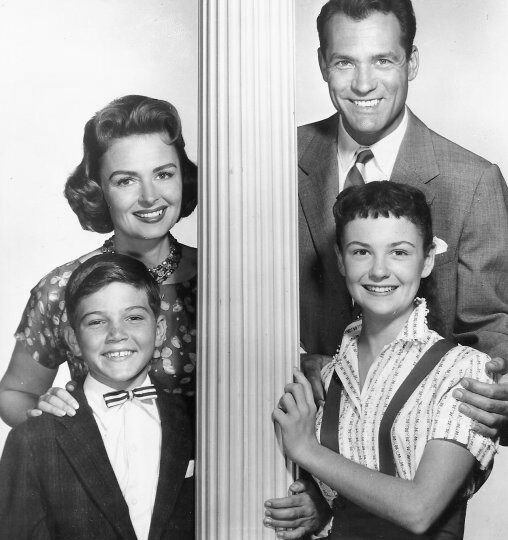
In 1958, at just 14 years old, Shelley landed the role of Mary Stone, the teenage daughter on the popular family sitcom The Donna Reed Show (1958–1963).
Mary Stone was portrayed as smart, relatable, and endearing, and the character quickly resonated with viewers across America.
Fabares’ performance earned her fame as a teen idol, and her popularity soared among adolescents who saw her as the quintessential “girl-next-door.”
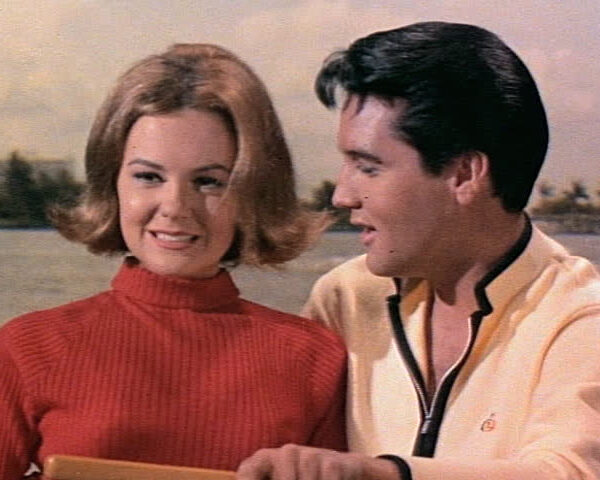
The show ran for six seasons, and during that time, Shelley became a regular feature in fan magazines, television specials, and public appearances, solidifying her place in American pop culture.
Music Career: “Johnny Angel” and Teen Idol Fame
While acting brought Shelley into millions of homes, her music career gave her another platform for stardom.
In 1962, she released the single “Johnny Angel,” which quickly climbed the charts and reached No. 1 on the Billboard Hot 100.
The song’s success made her a crossover star, appealing not only to television audiences but also to young music fans.
Teen magazines featured her frequently, and she became a recognizable figure at concerts, fan conventions, and variety shows.
Her ability to succeed in both acting and singing highlighted her versatility and helped her transition smoothly from a teenage star to an adult performer.
Hollywood Films: Collaborations with Elvis Presley
Following her success on television and in music, Fabares moved into films.
Among her most widely recognized work are three movies starring alongside Elvis Presley, which remain iconic examples of 1960s Hollywood musicals and romantic comedies:
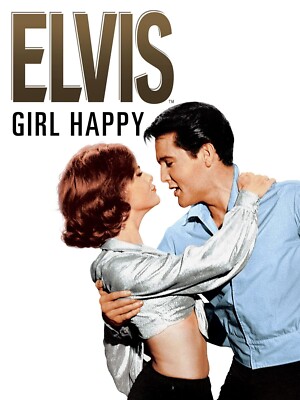
Girl Happy (1965) – A spring-break-themed musical comedy featuring Shelley as Elvis’ love interest.
Spinout (1966) – A light romantic comedy where she played a key role opposite Presley.
Clambake (1967) – A musical comedy of mistaken identities and romance, in which Fabares’ charm and comedic timing were central to the plot.
During the 1970s, although her film appearances slowed, Shelley remained active in television through guest roles, TV movies, and specials, maintaining her presence in Hollywood and demonstrating her adaptability to various genres.
Resurgence in Television: Coach (1989–1997)
After several quieter years in film, Shelley experienced a significant career resurgence in 1989 when she joined the hit sitcom Coach, playing Christine Armstrong, a role that introduced her to a new generation of viewers.
Christine Armstrong, known for her intelligence, poise, and warmth, quickly became a fan favorite.
Fabares’ performance on the show earned her two Primetime Emmy nominations, cementing her reputation as a versatile actress capable of engaging audiences of all ages.
Coach ran for eight seasons, and Shelley’s role helped redefine her as a respected adult actress, moving beyond her teen idol image into mainstream television stardom.
Health Challenges: Life-Threatening Liver Crisis
In the mid-1990s, Shelley’s personal life was marked by severe health challenges. According to verified sources:
In 1994, she experienced a serious accident at home, falling through a weakened floor during renovations, which resulted in broken ribs and trauma to her chest.
During follow-up medical evaluations, doctors discovered severe liver dysfunction, which progressively worsened over the following years.
By 1999, she suffered an esophageal bleed, a life-threatening internal hemorrhage directly linked to liver failure.
With medications unable to stabilize her condition, Shelley was placed on the liver transplant waiting list.
On October 23, 2000, after more than a year on the list, she underwent a successful liver transplant, a procedure that saved her life.
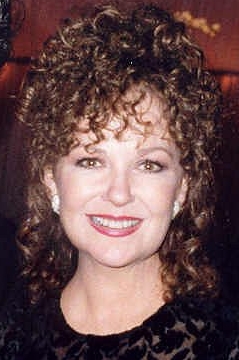
Shelley has described the transplant as a life-altering event, providing her with a renewed perspective on life and a deep appreciation for her family, particularly her husband, Mike Farrell, who stood by her side as her full-time caregiver during recovery.
Verified Career and Life Achievements
Born January 19, 1944, in Santa Monica, California.
Rose to fame as Mary Stone on The Donna Reed Show.
Released hit single “Johnny Angel” in 1962, reaching No. 1 on the Billboard Hot 100.
Starred in three Elvis Presley films: Girl Happy, Spinout, and Clambake.
Enjoyed a television comeback with Coach (1989–1997), earning two Emmy nominations.
Overcame a life-threatening liver disease, receiving a successful liver transplant in 2000.
Continues to be alive, active, and celebrated for her contributions to entertainment.
Legacy: Talent, Resilience, and Enduring Inspiration
Shelley Fabares’ journey demonstrates resilience, talent, and adaptability.
She successfully navigated the challenges of child stardom, teen idol fame, and adult acting roles, all while facing serious health crises that could have ended her career and her life.
Her experiences — from early Hollywood fame to life-saving surgery — have shaped her perspective on life, family, and career.
Today, she is recognized as a trailblazer and enduring icon, bridging the golden age of television and music with contemporary audiences.
Shelley Fabares’ story serves as a powerful reminder that behind the glamour of Hollywood lie real people with real struggles, whose courage and perseverance can inspire generations.
For fans of classic television, music, and film, she remains a beloved figure — a symbol of talent, resilience, and the human capacity to overcome adversity.
Shelley Fabares, born Michele Ann Marie Fabares on January 19, 1944, in Santa Monica, California.
Is one of Hollywood’s most beloved actresses and singers, with a career spanning over six decades.
From her early work as a child performer to her rise as a teen idol and acclaimed television actress, Fabares’ journey is marked by talent, perseverance, and resilience in the face of life-changing health challenges.
Early Life and Family Background. Shelley was born into a family with strong artistic connections.
Her father, James Fabares, was a musician and her mother, Mary Fabares, encouraged Shelley’s interest in the performing arts from a very young age.
She began dancing, modeling, and performing in local theater productions as a child, demonstrating a natural talent and poise that would define her career.
By the early 1950s, Shelley had started appearing in television commercials and small TV roles, gaining early exposure in Hollywood. Her charisma and screen presence quickly caught the attention of producers, setting the stage for her big break.
Breakthrough: The Donna Reed Show
In 1958, at just 14 years old, Shelley landed the role of Mary Stone, the teenage daughter on the popular family sitcom The Donna Reed Show (1958–1963).
Mary Stone was portrayed as smart, relatable, and endearing, and the character quickly resonated with viewers across America.
Fabares’ performance earned her fame as a teen idol, and her popularity soared among adolescents who saw her as the quintessential “girl-next-door.”
The show ran for six seasons, and during that time, Shelley became a regular feature in fan magazines, television specials, and public appearances, solidifying her place in American pop culture.
Music Career: “Johnny Angel” and Teen Idol Fame
While acting brought Shelley into millions of homes, her music career gave her another platform for stardom.
In 1962, she released the single “Johnny Angel,” which quickly climbed the charts and reached No. 1 on the Billboard Hot 100.
The song’s success made her a crossover star, appealing not only to television audiences but also to young music fans.
Teen magazines featured her frequently, and she became a recognizable figure at concerts, fan conventions, and variety shows.
Her ability to succeed in both acting and singing highlighted her versatility and helped her transition smoothly from a teenage star to an adult performer.
Hollywood Films: Collaborations with Elvis Presley
Following her success on television and in music, Fabares moved into films.
Among her most widely recognized work are three movies starring alongside Elvis Presley, which remain iconic examples of 1960s Hollywood musicals and romantic comedies:
Girl Happy (1965) – A spring-break-themed musical comedy featuring Shelley as Elvis’ love interest.
Spinout (1966) – A light romantic comedy where she played a key role opposite Presley.
Clambake (1967) – A musical comedy of mistaken identities and romance, in which Fabares’ charm and comedic timing were central to the plot.
During the 1970s, although her film appearances slowed, Shelley remained active in television through guest roles, TV movies, and specials, maintaining her presence in Hollywood and demonstrating her adaptability to various genres.
Resurgence in Television: Coach (1989–1997)
After several quieter years in film, Shelley experienced a significant career resurgence in 1989 when she joined the hit sitcom Coach, playing Christine Armstrong, a role that introduced her to a new generation of viewers.
Christine Armstrong, known for her intelligence, poise, and warmth, quickly became a fan favorite.
Fabares’ performance on the show earned her two Primetime Emmy nominations, cementing her reputation as a versatile actress capable of engaging audiences of all ages.
Coach ran for eight seasons, and Shelley’s role helped redefine her as a respected adult actress, moving beyond her teen idol image into mainstream television stardom.
Health Challenges: Life-Threatening Liver Crisis
In the mid-1990s, Shelley’s personal life was marked by severe health challenges. According to verified sources:
In 1994, she experienced a serious accident at home, falling through a weakened floor during renovations, which resulted in broken ribs and trauma to her chest.
During follow-up medical evaluations, doctors discovered severe liver dysfunction, which progressively worsened over the following years.
By 1999, she suffered an esophageal bleed, a life-threatening internal hemorrhage directly linked to liver failure.
With medications unable to stabilize her condition, Shelley was placed on the liver transplant waiting list.
On October 23, 2000, after more than a year on the list, she underwent a successful liver transplant, a procedure that saved her life.
Shelley has described the transplant as a life-altering event, providing her with a renewed perspective on life and a deep appreciation for her family, particularly her husband, Mike Farrell, who stood by her side as her full-time caregiver during recovery.
Verified Career and Life Achievements
Born January 19, 1944, in Santa Monica, California.
Rose to fame as Mary Stone on The Donna Reed Show.
Released hit single “Johnny Angel” in 1962, reaching No. 1 on the Billboard Hot 100.
Starred in three Elvis Presley films: Girl Happy, Spinout, and Clambake.
Enjoyed a television comeback with Coach (1989–1997), earning two Emmy nominations.
Overcame a life-threatening liver disease, receiving a successful liver transplant in 2000.
Continues to be alive, active, and celebrated for her contributions to entertainment.
Legacy: Talent, Resilience, and Enduring Inspiration
Shelley Fabares’ journey demonstrates resilience, talent, and adaptability.
She successfully navigated the challenges of child stardom, teen idol fame, and adult acting roles, all while facing serious health crises that could have ended her career and her life.
Her experiences — from early Hollywood fame to life-saving surgery — have shaped her perspective on life, family, and career.
Today, she is recognized as a trailblazer and enduring icon, bridging the golden age of television and music with contemporary audiences.
Shelley Fabares’ story serves as a powerful reminder that behind the glamour of Hollywood lie real people with real struggles, whose courage and perseverance can inspire generations.
For fans of classic television, music, and film, she remains a beloved figure — a symbol of talent, resilience, and the human capacity to overcome adversity.


