
...

5-Year-Old Girl Dies Days After Undergoing Tonsil Surgery

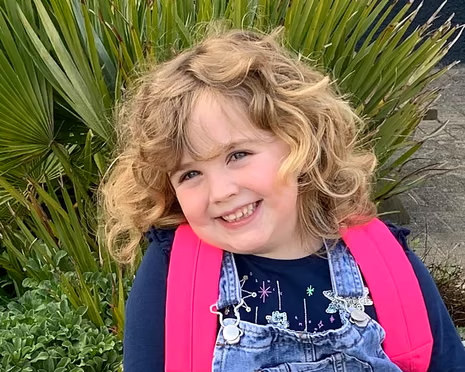
Five-year-old Amber Milnes, from St Just in Roseland, Cornwall, was a bright, joyful child whose presence could light up any room.

Her parents, Sereta and Lewis Milnes, described her as their “magical little princess,” a girl whose laughter, curiosity, and energy were infectious.

Amber loved music and dancing, adored her dolls, and had a boundless imagination.

Friends and family often remarked on her sweet and caring nature — a little girl who seemed wise beyond her years and whose love for life was evident in everything she did.

But Amber’s childhood was complicated by serious medical challenges.
She suffered from obstructive sleep apnoea, a condition that interrupted her breathing while sleeping, leading to chronic fatigue and other health complications.

On top of that, she had a rare and often debilitating condition called Cyclical Vomiting Syndrome (CVS).

Since the age of two, Amber experienced sudden, severe bouts of vomiting that could last for hours, sometimes leaving her dehydrated and in extreme discomfort.

Her parents had spent years learning how to manage these episodes and advocating for her care, becoming vigilant experts in their daughter’s needs.

A Surgery Meant to Bring Relief

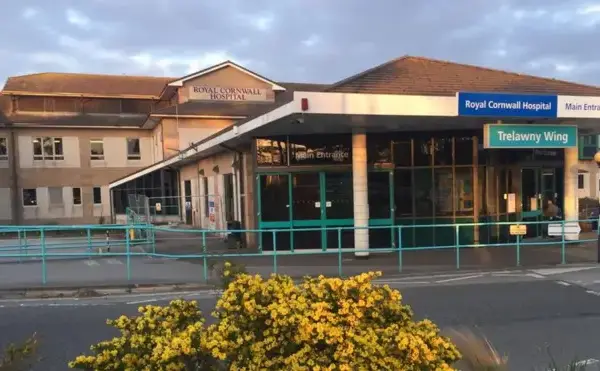
Doctors at Royal Cornwall Hospitals NHS Trust (RCHT), at the hospital in Truro, recommended adenotonsillectomy — the surgical removal of both tonsils and adenoids — to relieve her sleep apnoea.

The procedure is generally considered routine and low-risk, and it had the potential to vastly improve Amber’s quality of life by helping her breathe properly during sleep.

On 5 April 2023, Amber was admitted for surgery. Her parents expected that, due to her complicated medical history, she would stay overnight for observation, especially given the risk of dehydration from CVS.

They explicitly communicated this concern to medical staff, hoping to ensure that she would be carefully monitored after the operation.

To their shock, Amber was discharged later that evening, around 9 p.m. Despite their repeated warnings and her rare condition, the doctors cleared her to go home.

Sereta and Lewis felt uneasy but reluctantly followed medical advice, trusting that the hospital had made the right decision for their daughter’s safety.

The Rapid Decline

The following morning, 6 April, Amber began experiencing intense vomiting episodes. Alarmed, her parents contacted the hospital for guidance.

They were initially told to “wait and see,” a recommendation that left them feeling frustrated and helpless.

By that evening, Amber had vomited nearly 20 times, and her parents were gravely concerned about dehydration and her ability to take medications.

At 10 p.m., the family returned to RCHT. Amber was readmitted and given intravenous (IV) fluids and anti-nausea medication.

Doctors noted she had developed a chest infection, further complicating her post-operative recovery. However, the care she received was soon compromised: on 8 April, her IV line failed.

For approximately 14 hours, Amber went without fluids, antibiotics, pain relief, or anti-nausea medication. Due to her CVS, she could not take oral medications, leaving her particularly vulnerable.

A Tragic End

In the early hours of 9 April 2023, Amber suffered a catastrophic haemorrhage.

Despite immediate medical intervention, she was pronounced dead at 4:37 a.m.

The suddenness of her passing shattered her family and stunned the community, as such outcomes are extremely rare in pediatric adenotonsillectomy cases.

The Inquest and Its Findings

In November 2025, a full inquest into Amber’s death was conducted at the Cornwall Coroner’s Court, presided over by Senior Coroner Andrew Cox.

The investigation concluded that Amber died from a “known but very rare complication” following her surgery — specifically, a catastrophic hemorrhage caused by infection at the surgical site, which eroded an artery in her throat.

Post-mortem examinations, led by consultant pathologist Dr. Andrew Bamber, confirmed that no damage had occurred during the surgery itself.

The fatal bleeding was caused by a post-operative infection, highlighting the fragility of Amber’s condition and her susceptibility due to CVS.

Amber’s surgeon, Kel Anyanwu, explained that the operation, which lasted approximately 38 minutes, had been uneventful.

No infection or unusual bleeding was observed during surgery. In his 25 years of experience, he had never encountered a death resulting from tonsil removal, underscoring the rarity of this complication.

A consultant ENT surgeon reviewing the case, Simon Carr, testified that the care provided did not contain specific errors that would have certainly changed the outcome.

However, he acknowledged that given Amber’s CVS and history of vomiting, a preoperative discussion among pediatric specialists may have influenced decisions about discharge and post-operative monitoring — a point agreed upon by the coroner.

A Family’s Grief and Plea to Others

Throughout the inquest, Amber’s parents conveyed their heartbreak and love for their daughter.

They described her as the “happiest little girl,” full of life, singing, dancing, and bringing joy to everyone around her.

Sereta and Lewis expressed deep regret over Amber’s early discharge and the hospital’s failure to fully account for her complex condition.

They believe that if Amber had been observed overnight or readmitted immediately after the first signs of repeated vomiting, her death might have been prevented.

The Milnes family now shares a message to other parents: trust your instincts. Even for routine procedures, you are your child’s best advocate.

Ask questions, insist on clear communication, and ensure that medical teams understand all aspects of your child’s medical history. No operation is completely risk-free, and vigilance can make a life-saving difference.

Hospital Response and Safety Changes

In response to the inquest, Royal Cornwall Hospitals NHS Trust issued a formal statement expressing condolences to the Milnes family.

They described Amber’s death as an “immeasurable tragedy” and confirmed that they had conducted a full review of her care.

The hospital has since implemented new guidelines for the care of children undergoing adenotonsillectomy, particularly those with additional health complications such as CVS, to prevent similar tragedies in the future.

Why Amber’s Story Matters

Amber Milnes’ death is a stark reminder that even routine surgeries carry risks, particularly for children with underlying or rare medical conditions.

Post-tonsillectomy hemorrhage and infection are recognized but rare complications in pediatric surgery. Her case emphasizes the importance of:

Thorough preoperative evaluation of complex medical conditions
Clear communication between parents and healthcare teams

Careful post-operative monitoring, particularly for children with conditions like CVS

Advocacy by parents for their child’s safety

For parents and caregivers, Amber’s story is both heartbreaking and instructive.

It highlights that questions, vigilance, and clear communication are critical, even when procedures are considered routine.

Tragically, Amber’s family learned that the smallest decisions can have life-altering consequences.

Five-year-old Amber Milnes, from St Just in Roseland, Cornwall, was a bright, joyful child whose presence could light up any room.

Her parents, Sereta and Lewis Milnes, described her as their “magical little princess,” a girl whose laughter, curiosity, and energy were infectious.

Amber loved music and dancing, adored her dolls, and had a boundless imagination.

Friends and family often remarked on her sweet and caring nature — a little girl who seemed wise beyond her years and whose love for life was evident in everything she did.

But Amber’s childhood was complicated by serious medical challenges.

She suffered from obstructive sleep apnoea, a condition that interrupted her breathing while sleeping, leading to chronic fatigue and other health complications.

On top of that, she had a rare and often debilitating condition called Cyclical Vomiting Syndrome (CVS).

Since the age of two, Amber experienced sudden, severe bouts of vomiting that could last for hours, sometimes leaving her dehydrated and in extreme discomfort.

Her parents had spent years learning how to manage these episodes and advocating for her care, becoming vigilant experts in their daughter’s needs.

A Surgery Meant to Bring Relief

Doctors at Royal Cornwall Hospitals NHS Trust (RCHT), at the hospital in Truro, recommended adenotonsillectomy — the surgical removal of both tonsils and adenoids — to relieve her sleep apnoea.

The procedure is generally considered routine and low-risk, and it had the potential to vastly improve Amber’s quality of life by helping her breathe properly during sleep.

On 5 April 2023, Amber was admitted for surgery. Her parents expected that, due to her complicated medical history, she would stay overnight for observation, especially given the risk of dehydration from CVS.

They explicitly communicated this concern to medical staff, hoping to ensure that she would be carefully monitored after the operation.

To their shock, Amber was discharged later that evening, around 9 p.m. Despite their repeated warnings and her rare condition, the doctors cleared her to go home.

Sereta and Lewis felt uneasy but reluctantly followed medical advice, trusting that the hospital had made the right decision for their daughter’s safety.

The Rapid Decline

The following morning, 6 April, Amber began experiencing intense vomiting episodes. Alarmed, her parents contacted the hospital for guidance.

They were initially told to “wait and see,” a recommendation that left them feeling frustrated and helpless.

By that evening, Amber had vomited nearly 20 times, and her parents were gravely concerned about dehydration and her ability to take medications.

At 10 p.m., the family returned to RCHT. Amber was readmitted and given intravenous (IV) fluids and anti-nausea medication.

Doctors noted she had developed a chest infection, further complicating her post-operative recovery. However, the care she received was soon compromised: on 8 April, her IV line failed.

For approximately 14 hours, Amber went without fluids, antibiotics, pain relief, or anti-nausea medication. Due to her CVS, she could not take oral medications, leaving her particularly vulnerable.

A Tragic End

In the early hours of 9 April 2023, Amber suffered a catastrophic haemorrhage.

Despite immediate medical intervention, she was pronounced dead at 4:37 a.m.

The suddenness of her passing shattered her family and stunned the community, as such outcomes are extremely rare in pediatric adenotonsillectomy cases.

The Inquest and Its Findings

In November 2025, a full inquest into Amber’s death was conducted at the Cornwall Coroner’s Court, presided over by Senior Coroner Andrew Cox.

The investigation concluded that Amber died from a “known but very rare complication” following her surgery — specifically, a catastrophic hemorrhage caused by infection at the surgical site, which eroded an artery in her throat.

Post-mortem examinations, led by consultant pathologist Dr. Andrew Bamber, confirmed that no damage had occurred during the surgery itself.

The fatal bleeding was caused by a post-operative infection, highlighting the fragility of Amber’s condition and her susceptibility due to CVS.

Amber’s surgeon, Kel Anyanwu, explained that the operation, which lasted approximately 38 minutes, had been uneventful.

No infection or unusual bleeding was observed during surgery. In his 25 years of experience, he had never encountered a death resulting from tonsil removal, underscoring the rarity of this complication.

A consultant ENT surgeon reviewing the case, Simon Carr, testified that the care provided did not contain specific errors that would have certainly changed the outcome.

However, he acknowledged that given Amber’s CVS and history of vomiting, a preoperative discussion among pediatric specialists may have influenced decisions about discharge and post-operative monitoring — a point agreed upon by the coroner.

A Family’s Grief and Plea to Others

Throughout the inquest, Amber’s parents conveyed their heartbreak and love for their daughter.

They described her as the “happiest little girl,” full of life, singing, dancing, and bringing joy to everyone around her.

Sereta and Lewis expressed deep regret over Amber’s early discharge and the hospital’s failure to fully account for her complex condition.

They believe that if Amber had been observed overnight or readmitted immediately after the first signs of repeated vomiting, her death might have been prevented.

The Milnes family now shares a message to other parents: trust your instincts. Even for routine procedures, you are your child’s best advocate.

Ask questions, insist on clear communication, and ensure that medical teams understand all aspects of your child’s medical history. No operation is completely risk-free, and vigilance can make a life-saving difference.

Hospital Response and Safety Changes

In response to the inquest, Royal Cornwall Hospitals NHS Trust issued a formal statement expressing condolences to the Milnes family.

They described Amber’s death as an “immeasurable tragedy” and confirmed that they had conducted a full review of her care.

The hospital has since implemented new guidelines for the care of children undergoing adenotonsillectomy, particularly those with additional health complications such as CVS, to prevent similar tragedies in the future.

Why Amber’s Story Matters

Amber Milnes’ death is a stark reminder that even routine surgeries carry risks, particularly for children with underlying or rare medical conditions.

Post-tonsillectomy hemorrhage and infection are recognized but rare complications in pediatric surgery. Her case emphasizes the importance of:

Thorough preoperative evaluation of complex medical conditions

Clear communication between parents and healthcare teams

Careful post-operative monitoring, particularly for children with conditions like CVS

Advocacy by parents for their child’s safety

For parents and caregivers, Amber’s story is both heartbreaking and instructive.

It highlights that questions, vigilance, and clear communication are critical, even when procedures are considered routine.

Tragically, Amber’s family learned that the smallest decisions can have life-altering consequences.