...

I Raised My Brother-in-Law’s Son After He Left — Decades Later He Returned to a Surprising Reality

I never imagined that my life would change so drastically.

Nor that the quiet routines I had built over decades would someday be replaced by responsibility, heartbreak, and an unexpected kind of love—one deeper and stronger than anything I had ever known.

For most of my adult life, I worked as a school librarian, a job I cherished for its peaceful rhythm.

My days were filled with the soft whisper of turning pages, the gentle hum of children discovering new worlds through books, and the comforting smell of old paper and polished wooden shelves.

It was a predictable, steady life—one that allowed me to pour my heart into my work and into my daughter, Anna.
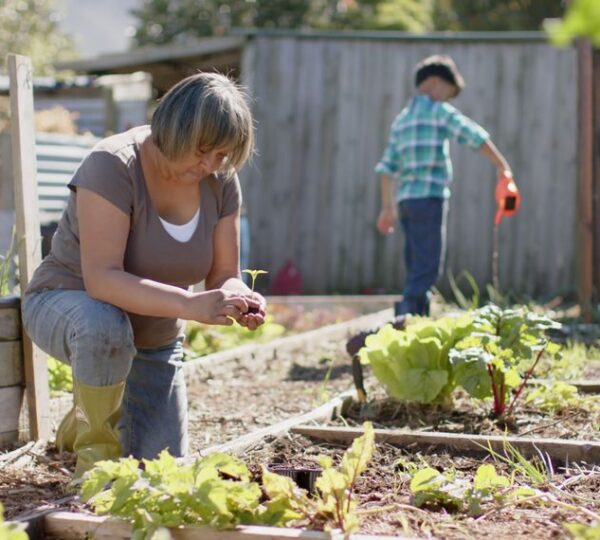
Anna was my pride and joy. From the moment she entered my life, she brought warmth and energy into every room she entered.

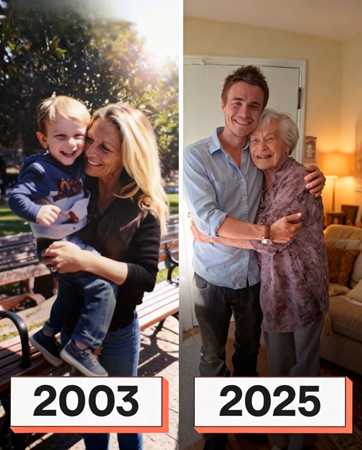
When she became a mother to her son, Ethan, I felt as though the world had given me a second chance at the kind of love that makes life meaningful.

Watching Anna care for him, seeing her gentle patience, and feeling Ethan’s tiny arms wrap around my neck made me believe that life had finally settled into a beautiful, peaceful balance.

But everything changed the day Anna passed away unexpectedly.

Her death shattered our world in an instant. It left me breathless—unable to understand how someone so full of life could be gone so quickly.

The silence that followed her passing was unlike anything I had ever experienced. It wasn’t simply quiet; it was heavy, suffocating, and filled with the absence of her laughter and the sound of her footsteps.

Even the familiar walls of my own home felt different, as if they too mourned her loss.

In the first weeks after her passing, I moved into Anna’s house. I wanted to protect Ethan from the sudden emptiness that surrounded him.

The house still carried her scent—lavender and warm vanilla—and the pictures on the walls seemed to whisper memories of the life we had lost.

Ethan was only three years old, far too young to understand what death meant. But he felt it.

He felt the change, the sadness, the strange quiet. He would ask for his mother at night, clutching his stuffed toy as he waited for an answer I could never give.

Then one morning, not long after the funeral, everything shifted again.

My son-in-law, Mark, arrived at the house holding a small, worn suitcase—the kind a child uses when visiting grandparents for the weekend.

Ethan stood beside him, rubbing his sleepy eyes, still wearing his pajamas.

Mark looked exhausted, his shoulders slumped, his shirt wrinkled.

He couldn’t meet my eyes. Finally, he confessed in a strained whisper that he didn’t know how to raise a child alone—that he wasn’t prepared, emotionally or financially, for the responsibility.

He said he needed time “to figure out his life,” as if fatherhood were something he could pause.

There was no anger in his voice, only quiet despair.

As I looked down at Ethan’s small, uncertain face, something inside me shifted. Whatever grief I carried had to take second place.

This little boy needed love, stability, and a sense of safety more than anything else.

Without hesitation, I told Mark that Ethan could stay with me—that I would care for him and protect him.

Mark placed the suitcase near the doorway, kissed Ethan on the forehead, and left.

The sound of his car driving away faded slowly, leaving behind a silence that felt final. It was the last time we saw him for many years.

Raising Ethan became both the greatest responsibility and the greatest blessing of my life.

Our days settled into a new rhythm. I woke early to prepare breakfast—warm cereal on cold mornings, scrambled eggs on the days when I had more energy.

I walked Ethan to preschool, his small hand gripping mine with complete trust. In the afternoons, we played in the backyard or built pillow forts in the living room.

At night, I would read him stories until he fell asleep with his head resting against my arm.

Though we stayed in Anna’s home, keeping her memory close, life was far from easy. Money was tight. I took on extra work tutoring children and organizing school events.

Many nights I returned home tired, aching, and worried about the bills stacked on the kitchen table.

But no matter how exhausted I felt, Ethan’s laughter erased every worry. His joy filled the spaces where grief once lived.

As the years passed, Ethan grew into a thoughtful, responsible young man. He helped around the house without being asked.
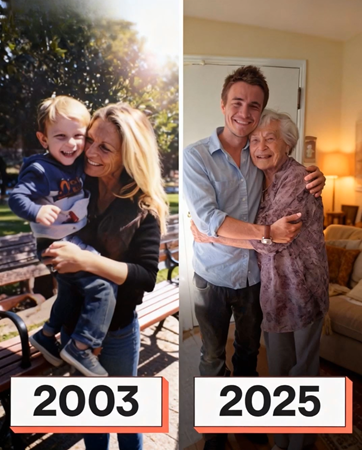
He studied hard and earned good grades. He worked part-time jobs to help support us, saving every dollar he could.

He never complained, never resented our situation, and never asked for more than we could afford. He matured with humility and quiet strength—traits that came not from ease, but from love and perseverance.

When Ethan finally built a successful career for himself, he remained grounded. He never boasted about his accomplishments.

Instead, he focused on helping others and ensuring I had everything I needed.

The day he invited me to move into his new home, he held my hands and said, “After everything you’ve done for me, it’s my turn to take care of you.”

In that moment, I saw the fullness of the man he had become—kind, protective, and unwavering in his loyalty.

Though we moved into his new house, we kept ownership of Anna’s. Ethan often spoke about restoring it someday, not for financial gain, but as a tribute to the mother he had loved and lost.

For many years, our lives were peaceful.

Then one afternoon, decades after Mark had left, a neighbor called. She told us that Mark had returned to the old house.

She said he looked shocked by its condition, surprised by its emptiness, and confused to discover we still owned it.

Ethan listened quietly as she spoke, and I saw something change in him—not fear, but a calm determination. He told the neighbor she could give Mark our new address.

When Mark arrived, he looked older, worn down by time. His voice trembled slightly as he greeted us, but before long it became clear why he had come.

He produced a stack of papers, claiming he had rights to the old house. He hinted that he wanted to benefit from Ethan’s success, hoping that the property might hold value for him now.

What hurt wasn’t his request, but the absence of everything he didn’t say—no apology, no acknowledgment of the years he’d missed, no interest in the son he had walked away from.

Ethan listened in silence, then responded with calm strength. He told Mark that the house was more than just a building.

It was the home where Ethan learned how to walk, where he learned how to read, where he healed from grief.

It was a place built on love, dedication, and sacrifice—things Mark had abandoned long ago. Ethan spoke without anger, but with clarity and truth.

Mark left with nothing but quiet frustration and the weight of choices he could no longer undo.

After he drove away, Ethan and I stood together in our kitchen. There were no tears, no bitterness—only a shared sense of closure.

It felt as though a chapter we had carried silently for years had finally been set to rest.

A few weeks later, we returned to the old house. We walked through its rooms slowly, letting memories rise gently to the surface.

I expected to feel sorrow, but instead I felt gratitude. Gratitude for the years I had been given with Ethan.

Gratitude for the strength we had discovered in each other. Gratitude for the life we had built from loss and courage.

Mark had returned searching for something material, but what Ethan and I had created was far more valuable: a family defined not by who walked away, but by who stayed.

In the end, our legacy was not shaped by tragedy, but by love.

And through every difficult moment, every heartbreak, every victory, we faced it side by side.

I never imagined that my life would change so drastically.

Nor that the quiet routines I had built over decades would someday be replaced by responsibility, heartbreak, and an unexpected kind of love—one deeper and stronger than anything I had ever known.

For most of my adult life, I worked as a school librarian, a job I cherished for its peaceful rhythm.

My days were filled with the soft whisper of turning pages, the gentle hum of children discovering new worlds through books, and the comforting smell of old paper and polished wooden shelves.

It was a predictable, steady life—one that allowed me to pour my heart into my work and into my daughter, Anna.

Anna was my pride and joy. From the moment she entered my life, she brought warmth and energy into every room she entered.

When she became a mother to her son, Ethan, I felt as though the world had given me a second chance at the kind of love that makes life meaningful.

Watching Anna care for him, seeing her gentle patience, and feeling Ethan’s tiny arms wrap around my neck made me believe that life had finally settled into a beautiful, peaceful balance.

But everything changed the day Anna passed away unexpectedly.

Her death shattered our world in an instant. It left me breathless—unable to understand how someone so full of life could be gone so quickly.

The silence that followed her passing was unlike anything I had ever experienced. It wasn’t simply quiet; it was heavy, suffocating, and filled with the absence of her laughter and the sound of her footsteps.

Even the familiar walls of my own home felt different, as if they too mourned her loss.

In the first weeks after her passing, I moved into Anna’s house. I wanted to protect Ethan from the sudden emptiness that surrounded him.

The house still carried her scent—lavender and warm vanilla—and the pictures on the walls seemed to whisper memories of the life we had lost.

Ethan was only three years old, far too young to understand what death meant. But he felt it.

He felt the change, the sadness, the strange quiet. He would ask for his mother at night, clutching his stuffed toy as he waited for an answer I could never give.

Then one morning, not long after the funeral, everything shifted again.

My son-in-law, Mark, arrived at the house holding a small, worn suitcase—the kind a child uses when visiting grandparents for the weekend.

Ethan stood beside him, rubbing his sleepy eyes, still wearing his pajamas.

Mark looked exhausted, his shoulders slumped, his shirt wrinkled.

He couldn’t meet my eyes. Finally, he confessed in a strained whisper that he didn’t know how to raise a child alone—that he wasn’t prepared, emotionally or financially, for the responsibility.

He said he needed time “to figure out his life,” as if fatherhood were something he could pause.

There was no anger in his voice, only quiet despair.

As I looked down at Ethan’s small, uncertain face, something inside me shifted. Whatever grief I carried had to take second place.

This little boy needed love, stability, and a sense of safety more than anything else.

Without hesitation, I told Mark that Ethan could stay with me—that I would care for him and protect him.

Mark placed the suitcase near the doorway, kissed Ethan on the forehead, and left.

The sound of his car driving away faded slowly, leaving behind a silence that felt final. It was the last time we saw him for many years.

Raising Ethan became both the greatest responsibility and the greatest blessing of my life.

Our days settled into a new rhythm. I woke early to prepare breakfast—warm cereal on cold mornings, scrambled eggs on the days when I had more energy.

I walked Ethan to preschool, his small hand gripping mine with complete trust. In the afternoons, we played in the backyard or built pillow forts in the living room.

At night, I would read him stories until he fell asleep with his head resting against my arm.

Though we stayed in Anna’s home, keeping her memory close, life was far from easy. Money was tight. I took on extra work tutoring children and organizing school events.

Many nights I returned home tired, aching, and worried about the bills stacked on the kitchen table.

But no matter how exhausted I felt, Ethan’s laughter erased every worry. His joy filled the spaces where grief once lived.

As the years passed, Ethan grew into a thoughtful, responsible young man. He helped around the house without being asked.

He studied hard and earned good grades. He worked part-time jobs to help support us, saving every dollar he could.

He never complained, never resented our situation, and never asked for more than we could afford. He matured with humility and quiet strength—traits that came not from ease, but from love and perseverance.

When Ethan finally built a successful career for himself, he remained grounded. He never boasted about his accomplishments.

Instead, he focused on helping others and ensuring I had everything I needed.

The day he invited me to move into his new home, he held my hands and said, “After everything you’ve done for me, it’s my turn to take care of you.”

In that moment, I saw the fullness of the man he had become—kind, protective, and unwavering in his loyalty.

Though we moved into his new house, we kept ownership of Anna’s. Ethan often spoke about restoring it someday, not for financial gain, but as a tribute to the mother he had loved and lost.

For many years, our lives were peaceful.

Then one afternoon, decades after Mark had left, a neighbor called. She told us that Mark had returned to the old house.

She said he looked shocked by its condition, surprised by its emptiness, and confused to discover we still owned it.

Ethan listened quietly as she spoke, and I saw something change in him—not fear, but a calm determination. He told the neighbor she could give Mark our new address.

When Mark arrived, he looked older, worn down by time. His voice trembled slightly as he greeted us, but before long it became clear why he had come.

He produced a stack of papers, claiming he had rights to the old house. He hinted that he wanted to benefit from Ethan’s success, hoping that the property might hold value for him now.

What hurt wasn’t his request, but the absence of everything he didn’t say—no apology, no acknowledgment of the years he’d missed, no interest in the son he had walked away from.

Ethan listened in silence, then responded with calm strength. He told Mark that the house was more than just a building.

It was the home where Ethan learned how to walk, where he learned how to read, where he healed from grief.

It was a place built on love, dedication, and sacrifice—things Mark had abandoned long ago. Ethan spoke without anger, but with clarity and truth.

Mark left with nothing but quiet frustration and the weight of choices he could no longer undo.

After he drove away, Ethan and I stood together in our kitchen. There were no tears, no bitterness—only a shared sense of closure.

It felt as though a chapter we had carried silently for years had finally been set to rest.

A few weeks later, we returned to the old house. We walked through its rooms slowly, letting memories rise gently to the surface.

I expected to feel sorrow, but instead I felt gratitude. Gratitude for the years I had been given with Ethan.

Gratitude for the strength we had discovered in each other. Gratitude for the life we had built from loss and courage.

Mark had returned searching for something material, but what Ethan and I had created was far more valuable: a family defined not by who walked away, but by who stayed.

In the end, our legacy was not shaped by tragedy, but by love.

And through every difficult moment, every heartbreak, every victory, we faced it side by side.