...

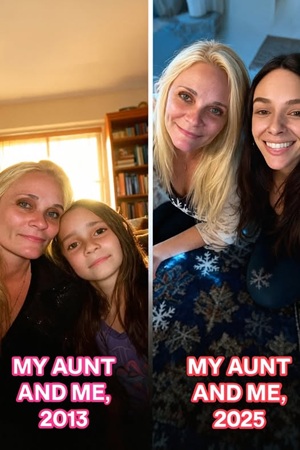
My Parents Left Me Behind, and My Aunt Raised Me — Years Later, They Returned.

Ivy grew up in a home where her parents were physically present but emotionally distant.

Their lives seemed to revolve around their careers, new families, and routines that left little room for her.

As her parents built these separate lives, Ivy slowly realized that she was becoming invisible in the spaces that were supposed to be hers.

By the age of ten, both of her parents had remarried and welcomed younger children into their households.

Ivy often felt like an afterthought, quietly navigating the awkward spaces between her own needs and the demands of her parents’ new families.
Simple moments that should have been comforting—a hug, a shared meal, a conversation—were often brief or absent.

She learned to lower her expectations, internalizing the feeling that she had to earn attention or accept that it might never come.

One day, her parents decided that Ivy should live with her Aunt Carol “for a while.”

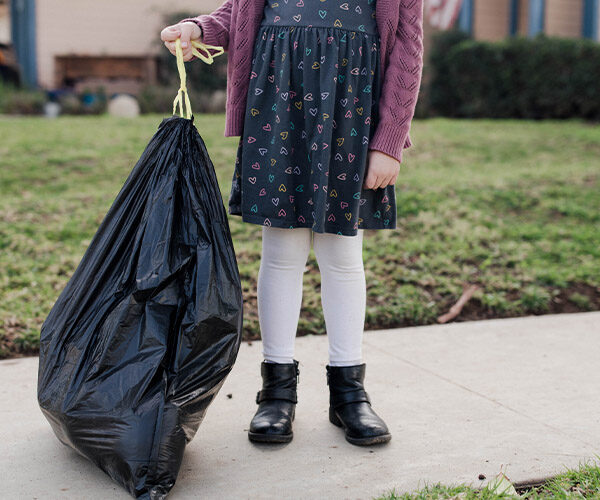
They packed her belongings into old trash bags, tossing in a few clothes and the few toys she had cherished.

They left without much explanation, assuming this arrangement would be temporary and without considering how Ivy might feel.

For Ivy, the transition was jarring, but as soon as she stepped into Aunt Carol’s home, she began to notice something different.

Aunt Carol’s house was warm, orderly, and full of life. The air smelled faintly of lavender and old books.

There was a sense of stability Ivy had never experienced—her aunt maintained routines, celebrated small accomplishments, and treated Ivy with the respect and attention she had longed for.

Aunt Carol listened when Ivy spoke, asked about her feelings, and nurtured her curiosity rather than dismissing it.

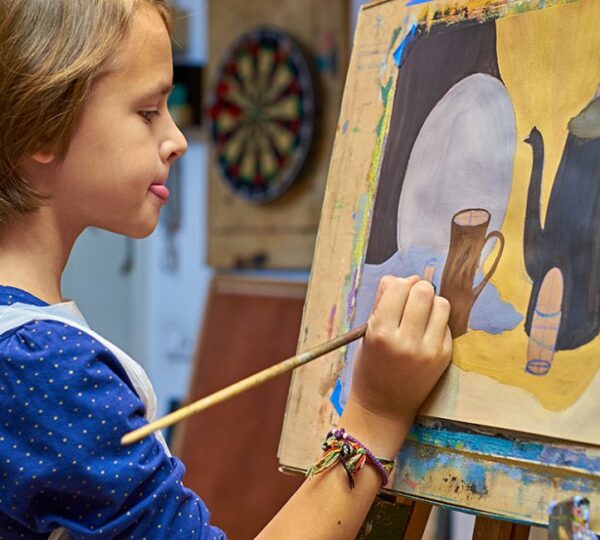
Under Aunt Carol’s guidance, Ivy discovered a love for art.

Initially, she filled sketchbooks with tentative lines and scribbles, experimenting with pencils, charcoal, and watercolor.

Slowly, these sketches evolved into larger works on canvas, reflecting not only her technical skill but also the emotional journey she was experiencing.

Through her art, Ivy explored feelings she hadn’t been able to express verbally—loneliness, confusion, and eventually, resilience and hope.

Her confidence grew alongside her artistic talent, and she began to understand that her creativity was a gift, a form of self-expression that could be shared with the world.

Unlike her biological parents, Aunt Carol attended school art shows, cheered at competitions, and offered constructive feedback that encouraged Ivy to push beyond her comfort zone.

Every milestone was acknowledged, from the first painting she sold at a local fair to the first time she entered a formal competition.
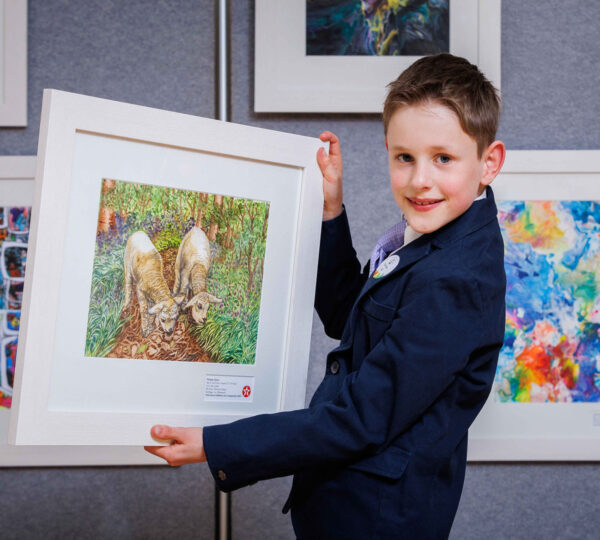
As Ivy grew into adulthood, her dedication to art culminated in her entering an international art competition with a piece titled Inheritance.

The work was deeply personal, a visual narrative of her journey from neglect and abandonment to self-discovery, resilience, and empowerment.

Her piece captured attention for its emotional depth, technical mastery, and the story it conveyed without words.

Winning a major award provided Ivy with both financial stability and recognition within the global art community, opening doors to exhibitions, workshops, and collaborations that had once seemed unattainable.

This success also allowed her to publicly acknowledge the pivotal role her aunt had played in her life, giving Aunt Carol the credit and visibility she deserved.

Following Ivy’s rising recognition, her biological parents reached out, seemingly interested in reconnecting.

Their timing suggested that they were more focused on the benefits of her success than genuine emotional connection.

Rather than responding with anger or resentment, Ivy decided to invite them to a community-center event, framing it as a celebration of creativity, resilience, and community support.

During the event, a multimedia presentation showcased the years Ivy had spent under Aunt Carol’s guidance.

Photographs documented art projects, competitions, school performances, and quiet moments of encouragement.

The presentation made clear that Aunt Carol had been the consistent presence in Ivy’s life, the one who had nurtured her talents, comforted her in moments of doubt, and guided her toward independence.

Ivy’s parents watched in silence, the realization slowly settling in that their past neglect had been contrasted by Aunt Carol’s unwavering support.

When Ivy finally took the stage, she addressed the audience with calm authority.

She honored Aunt Carol as the parent who had truly shaped her life, expressing gratitude for her patience, guidance, and unconditional support.

Then, she turned to her biological parents. With steady composure, Ivy explained that while she wished them well, the chapter they had closed could not simply be reopened for convenience.

She was not offering financial assistance or an open invitation to resume a parental role; rather, she was setting boundaries and seeking closure for herself.

Her words were firm yet measured, conveying both respect and clarity.

After the event, walking home alongside Aunt Carol, Ivy felt a profound sense of peace.

She understood that the family she needed most had been beside her all along.

Aunt Carol had been present in every meaningful moment, providing love, guidance, and stability in ways her biological parents had never managed.
Ivy reflected on her journey, recognizing that while her early childhood had been shaped by absence, her later years were defined by connection, care, and belonging.

In that moment, Ivy knew she was exactly where she was meant to be—surrounded by someone who had always truly seen her, loved her, and helped her become the person she was destined to be.

The story of Ivy is a testament to the enduring impact of nurturing relationships, the power of art as an expressive outlet, and the importance of resilience in the face of early challenges.

It illustrates that family is defined not solely by blood but by presence, guidance, and consistent care.

Most importantly, it shows that recognition, love, and support can transform a life, helping a young person not only survive but thrive, creating a path to success, self-worth, and emotional healing.

Ivy grew up in a home where her parents were physically present but emotionally distant.

Their lives seemed to revolve around their careers, new families, and routines that left little room for her.

As her parents built these separate lives, Ivy slowly realized that she was becoming invisible in the spaces that were supposed to be hers.

By the age of ten, both of her parents had remarried and welcomed younger children into their households.

Ivy often felt like an afterthought, quietly navigating the awkward spaces between her own needs and the demands of her parents’ new families.

Simple moments that should have been comforting—a hug, a shared meal, a conversation—were often brief or absent.

She learned to lower her expectations, internalizing the feeling that she had to earn attention or accept that it might never come.

One day, her parents decided that Ivy should live with her Aunt Carol “for a while.”

They packed her belongings into old trash bags, tossing in a few clothes and the few toys she had cherished.

They left without much explanation, assuming this arrangement would be temporary and without considering how Ivy might feel.

For Ivy, the transition was jarring, but as soon as she stepped into Aunt Carol’s home, she began to notice something different.

Aunt Carol’s house was warm, orderly, and full of life. The air smelled faintly of lavender and old books.

There was a sense of stability Ivy had never experienced—her aunt maintained routines, celebrated small accomplishments, and treated Ivy with the respect and attention she had longed for.

Aunt Carol listened when Ivy spoke, asked about her feelings, and nurtured her curiosity rather than dismissing it.

Under Aunt Carol’s guidance, Ivy discovered a love for art.

Initially, she filled sketchbooks with tentative lines and scribbles, experimenting with pencils, charcoal, and watercolor.

Slowly, these sketches evolved into larger works on canvas, reflecting not only her technical skill but also the emotional journey she was experiencing.

Through her art, Ivy explored feelings she hadn’t been able to express verbally—loneliness, confusion, and eventually, resilience and hope.

Her confidence grew alongside her artistic talent, and she began to understand that her creativity was a gift, a form of self-expression that could be shared with the world.

Unlike her biological parents, Aunt Carol attended school art shows, cheered at competitions, and offered constructive feedback that encouraged Ivy to push beyond her comfort zone.

Every milestone was acknowledged, from the first painting she sold at a local fair to the first time she entered a formal competition.

As Ivy grew into adulthood, her dedication to art culminated in her entering an international art competition with a piece titled Inheritance.

The work was deeply personal, a visual narrative of her journey from neglect and abandonment to self-discovery, resilience, and empowerment.

Her piece captured attention for its emotional depth, technical mastery, and the story it conveyed without words.

Winning a major award provided Ivy with both financial stability and recognition within the global art community, opening doors to exhibitions, workshops, and collaborations that had once seemed unattainable.

This success also allowed her to publicly acknowledge the pivotal role her aunt had played in her life, giving Aunt Carol the credit and visibility she deserved.

Following Ivy’s rising recognition, her biological parents reached out, seemingly interested in reconnecting.

Their timing suggested that they were more focused on the benefits of her success than genuine emotional connection.

Rather than responding with anger or resentment, Ivy decided to invite them to a community-center event, framing it as a celebration of creativity, resilience, and community support.

During the event, a multimedia presentation showcased the years Ivy had spent under Aunt Carol’s guidance.

Photographs documented art projects, competitions, school performances, and quiet moments of encouragement.

The presentation made clear that Aunt Carol had been the consistent presence in Ivy’s life, the one who had nurtured her talents, comforted her in moments of doubt, and guided her toward independence.

Ivy’s parents watched in silence, the realization slowly settling in that their past neglect had been contrasted by Aunt Carol’s unwavering support.

When Ivy finally took the stage, she addressed the audience with calm authority.

She honored Aunt Carol as the parent who had truly shaped her life, expressing gratitude for her patience, guidance, and unconditional support.

Then, she turned to her biological parents. With steady composure, Ivy explained that while she wished them well, the chapter they had closed could not simply be reopened for convenience.

She was not offering financial assistance or an open invitation to resume a parental role; rather, she was setting boundaries and seeking closure for herself.

Her words were firm yet measured, conveying both respect and clarity.

After the event, walking home alongside Aunt Carol, Ivy felt a profound sense of peace.

She understood that the family she needed most had been beside her all along.

Aunt Carol had been present in every meaningful moment, providing love, guidance, and stability in ways her biological parents had never managed.

Ivy reflected on her journey, recognizing that while her early childhood had been shaped by absence, her later years were defined by connection, care, and belonging.

In that moment, Ivy knew she was exactly where she was meant to be—surrounded by someone who had always truly seen her, loved her, and helped her become the person she was destined to be.

The story of Ivy is a testament to the enduring impact of nurturing relationships, the power of art as an expressive outlet, and the importance of resilience in the face of early challenges.

It illustrates that family is defined not solely by blood but by presence, guidance, and consistent care.

Most importantly, it shows that recognition, love, and support can transform a life, helping a young person not only survive but thrive, creating a path to success, self-worth, and emotional healing.