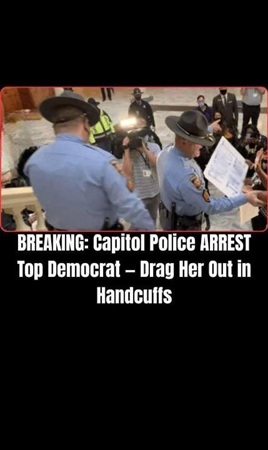
BREAKING: Capitol Police Arrest Prominent Democrat – Forcefully Escorted in Handcuffs
Georgia Power has formally accused Patty Durand, a former Democratic candidate for Georgia’s Public Service Commission (PSC), of stealing confidential trade secrets, according to multiple news outlets.
Durand was arrested on Tuesday by Georgia Capitol Police and charged with felony theft, as reported by Georgia Public Broadcasting (GPB).
The allegations center on her actions during a public PSC hearing, raising questions about the intersection of political activism, regulatory oversight, and the handling of sensitive corporate information.
The incident occurred during a PSC hearing regarding Georgia Power’s request to significantly expand the state’s electricity supply by nearly 10,000 megawatts.
This expansion would be equivalent to adding the output of approximately two Plant Vogtle nuclear reactors and would primarily serve the rapidly growing demand from large-scale data centers in Georgia.
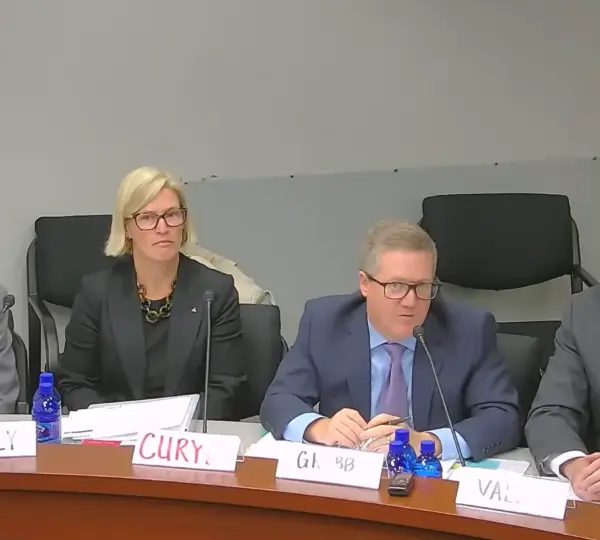
Durand has long been a vocal critic of these data centers, arguing that the utility’s focus on supporting them comes at the expense of ordinary electricity consumers and public transparency.
She has consistently opposed both the construction of new data centers and potential rate increases tied to these projects, emphasizing the need for public scrutiny of Georgia Power’s contracts and agreements.
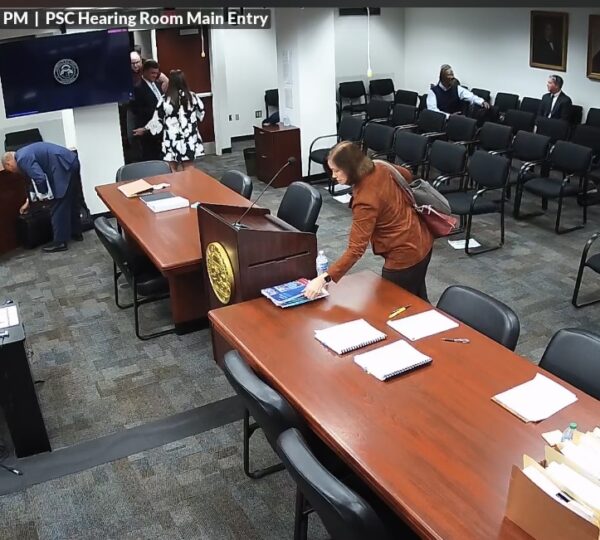
According to video footage reported by GPB, Durand, wearing a brown jacket, was seen approaching a desk during the hearing, picking up a booklet, setting it back down, and moving to a second desk, where she allegedly took another booklet and placed it into her bag before leaving the room.
While the precise purpose of her actions has not been publicly confirmed, Georgia Power has stated that it is cooperating fully with authorities as the investigation continues.
Durand has long criticized the lack of transparency in Georgia Power’s dealings with data centers.
In an August interview with GPB, she expressed concern over what she described as “heavy redactions and trade secrets” in PSC filings. She argued that the public cannot access key details about contracts or costs associated with these facilities.
“The Public Service Commission allows very heavy redactions and trade secrets,” Durand said.
“So the contracts between Georgia Power and the data centers are also redacted and trade secreted.
So no one will know what they actually charge data centers.”
These comments underscore her ongoing advocacy for accountability in utility regulation and her opposition to opaque corporate practices.
Durand has been actively engaged in energy policy oversight in Georgia.
Earlier this year, she founded a nonprofit watchdog group, Georgians for Affordable Energy, with the goal of monitoring utility practices, promoting transparency, and advocating for more equitable energy policy.
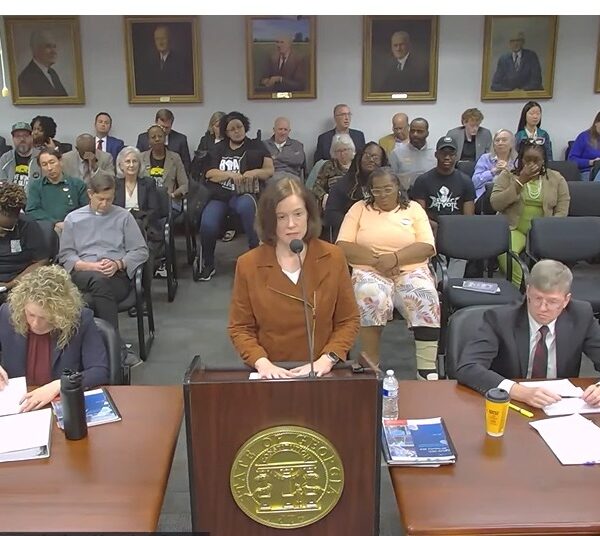
During the PSC hearing in question, she alleged that Georgia Power was prioritizing profits for its five affiliated gas companies by building new natural gas power plants instead of investing in renewable energy solutions, such as solar panels, battery storage, and energy efficiency programs.
She described these actions as “immoral” and insisted that regulatory authorities should hold the utility accountable to the public interest.
The Georgia Recorder reported that the proposed PSC proceedings were intended to approve the addition of nearly 10,000 megawatts to Georgia’s power grid, with approximately 60% expected to come from natural gas expansions or new plants, while 40% would be generated from renewable energy sources.
Durand publicly criticized this allocation, emphasizing that Georgia Power’s decisions appeared to favor corporate profits over environmental sustainability and long-term energy security.
She has consistently called for greater oversight, arguing that the utility’s current practices lack accountability and undermine the interests of Georgia ratepayers.
Following Durand’s arrest, political figures quickly weighed in.
Georgia Republican Party Chairman Josh McKoon issued a statement sharply criticizing her actions, saying, “Patty Durand built her brand attacking the Public Service Commission and now she’s been arrested for stealing from it.
This is the same failed Democrat PSC candidate who parades around as a so-called ‘watchdog’ while caught on video taking confidential Georgia Power materials.
While Republican leaders are working to keep energy reliable and affordable for Georgia families, Democrats like Durand are sneaking around government offices and walking off with stolen documents.”
McKoon’s comments highlight the partisan dimension of the case and its potential implications for energy policy debates in the state.
Durand’s campaign website features images of her alongside prominent Democratic figures, including U.S. Senator Jon Ossoff of Georgia.
Some media outlets have focused on these political associations, framing the situation within broader partisan debates over energy policy, regulatory oversight, and transparency.
For instance, Breitbart News reported on Ossoff’s prior hiring decisions and legislative actions, emphasizing criticism from some conservatives regarding immigration, government spending, and healthcare policy.
While these reports are tangential to the PSC case, they demonstrate how political affiliations are often scrutinized in high-profile investigations.
The case involving Durand has drawn comparisons to other incidents in which public officials or candidates faced felony charges.
For example, Minnesota State Senator Nicole Mitchell, a Democrat, was convicted of felony burglary in July 2025 after entering her stepmother’s home without permission.
Mitchell claimed she was retrieving belongings that had belonged to her late father, while her stepmother was suffering from Alzheimer’s disease.
Mitchell had been arrested in April 2024, and her case highlighted the intense public scrutiny and legal consequences that officials can face when accused of theft-related crimes.
These comparisons suggest that Durand’s situation could have significant legal and political ramifications, especially given her history of public advocacy and watchdog activity.
As of now, the investigation into Durand’s actions remains ongoing.

Georgia Power, state authorities, and the PSC continue to review the incident, and further developments are expected as investigators determine whether charges will proceed and whether additional evidence emerges.
Meanwhile, political observers, utility stakeholders, and the public are closely monitoring the situation for its potential impact on energy policy oversight, corporate transparency, and the credibility of regulatory watchdog efforts in Georgia.
The case underscores the complex intersection of politics, corporate influence, and public accountability in the state’s energy sector, highlighting the challenges faced by both regulators and activists in maintaining transparency and fairness.
Beyond the immediate legal implications, the case has sparked broader debates about the role of data centers in Georgia’s energy consumption.
Large tech companies rely heavily on data centers that require immense amounts of electricity, and their expansion has raised questions about sustainability, ratepayer costs, and environmental impact.
Critics like Durand argue that Georgia Power’s current energy mix, with a heavy reliance on natural gas, represents short-term profit motives rather than long-term investments in clean energy infrastructure.
Supporters of the utility contend that natural gas provides reliable baseload power necessary to support economic growth and technological development, framing the conflict as a clash between transparency, sustainability, and business priorities.
Ultimately, Durand’s arrest highlights both the personal and political risks associated with challenging entrenched corporate interests and regulatory frameworks.
The unfolding investigation will likely shape public discourse on energy policy and regulatory accountability in Georgia for years to come, influencing how policymakers, utilities, and watchdog organizations approach similar issues in the future.
Georgia Power has formally accused Patty Durand, a former Democratic candidate for Georgia’s Public Service Commission (PSC), of stealing confidential trade secrets, according to multiple news outlets.
Durand was arrested on Tuesday by Georgia Capitol Police and charged with felony theft, as reported by Georgia Public Broadcasting (GPB).
The allegations center on her actions during a public PSC hearing, raising questions about the intersection of political activism, regulatory oversight, and the handling of sensitive corporate information.
The incident occurred during a PSC hearing regarding Georgia Power’s request to significantly expand the state’s electricity supply by nearly 10,000 megawatts.
This expansion would be equivalent to adding the output of approximately two Plant Vogtle nuclear reactors and would primarily serve the rapidly growing demand from large-scale data centers in Georgia.
Durand has long been a vocal critic of these data centers, arguing that the utility’s focus on supporting them comes at the expense of ordinary electricity consumers and public transparency.
She has consistently opposed both the construction of new data centers and potential rate increases tied to these projects, emphasizing the need for public scrutiny of Georgia Power’s contracts and agreements.
According to video footage reported by GPB, Durand, wearing a brown jacket, was seen approaching a desk during the hearing, picking up a booklet, setting it back down, and moving to a second desk, where she allegedly took another booklet and placed it into her bag before leaving the room.
While the precise purpose of her actions has not been publicly confirmed, Georgia Power has stated that it is cooperating fully with authorities as the investigation continues.
Durand has long criticized the lack of transparency in Georgia Power’s dealings with data centers.
In an August interview with GPB, she expressed concern over what she described as “heavy redactions and trade secrets” in PSC filings. She argued that the public cannot access key details about contracts or costs associated with these facilities.
“The Public Service Commission allows very heavy redactions and trade secrets,” Durand said.
“So the contracts between Georgia Power and the data centers are also redacted and trade secreted.
So no one will know what they actually charge data centers.”
These comments underscore her ongoing advocacy for accountability in utility regulation and her opposition to opaque corporate practices.
Durand has been actively engaged in energy policy oversight in Georgia.
Earlier this year, she founded a nonprofit watchdog group, Georgians for Affordable Energy, with the goal of monitoring utility practices, promoting transparency, and advocating for more equitable energy policy.
During the PSC hearing in question, she alleged that Georgia Power was prioritizing profits for its five affiliated gas companies by building new natural gas power plants instead of investing in renewable energy solutions, such as solar panels, battery storage, and energy efficiency programs.
She described these actions as “immoral” and insisted that regulatory authorities should hold the utility accountable to the public interest.
The Georgia Recorder reported that the proposed PSC proceedings were intended to approve the addition of nearly 10,000 megawatts to Georgia’s power grid, with approximately 60% expected to come from natural gas expansions or new plants, while 40% would be generated from renewable energy sources.
Durand publicly criticized this allocation, emphasizing that Georgia Power’s decisions appeared to favor corporate profits over environmental sustainability and long-term energy security.
She has consistently called for greater oversight, arguing that the utility’s current practices lack accountability and undermine the interests of Georgia ratepayers.
Following Durand’s arrest, political figures quickly weighed in.
Georgia Republican Party Chairman Josh McKoon issued a statement sharply criticizing her actions, saying, “Patty Durand built her brand attacking the Public Service Commission and now she’s been arrested for stealing from it.
This is the same failed Democrat PSC candidate who parades around as a so-called ‘watchdog’ while caught on video taking confidential Georgia Power materials.
While Republican leaders are working to keep energy reliable and affordable for Georgia families, Democrats like Durand are sneaking around government offices and walking off with stolen documents.”
McKoon’s comments highlight the partisan dimension of the case and its potential implications for energy policy debates in the state.
Durand’s campaign website features images of her alongside prominent Democratic figures, including U.S. Senator Jon Ossoff of Georgia.
Some media outlets have focused on these political associations, framing the situation within broader partisan debates over energy policy, regulatory oversight, and transparency.
For instance, Breitbart News reported on Ossoff’s prior hiring decisions and legislative actions, emphasizing criticism from some conservatives regarding immigration, government spending, and healthcare policy.
While these reports are tangential to the PSC case, they demonstrate how political affiliations are often scrutinized in high-profile investigations.
The case involving Durand has drawn comparisons to other incidents in which public officials or candidates faced felony charges.
For example, Minnesota State Senator Nicole Mitchell, a Democrat, was convicted of felony burglary in July 2025 after entering her stepmother’s home without permission.
Mitchell claimed she was retrieving belongings that had belonged to her late father, while her stepmother was suffering from Alzheimer’s disease.
Mitchell had been arrested in April 2024, and her case highlighted the intense public scrutiny and legal consequences that officials can face when accused of theft-related crimes.
These comparisons suggest that Durand’s situation could have significant legal and political ramifications, especially given her history of public advocacy and watchdog activity.
As of now, the investigation into Durand’s actions remains ongoing.
Georgia Power, state authorities, and the PSC continue to review the incident, and further developments are expected as investigators determine whether charges will proceed and whether additional evidence emerges.
Meanwhile, political observers, utility stakeholders, and the public are closely monitoring the situation for its potential impact on energy policy oversight, corporate transparency, and the credibility of regulatory watchdog efforts in Georgia.
The case underscores the complex intersection of politics, corporate influence, and public accountability in the state’s energy sector, highlighting the challenges faced by both regulators and activists in maintaining transparency and fairness.
Beyond the immediate legal implications, the case has sparked broader debates about the role of data centers in Georgia’s energy consumption.
Large tech companies rely heavily on data centers that require immense amounts of electricity, and their expansion has raised questions about sustainability, ratepayer costs, and environmental impact.
Critics like Durand argue that Georgia Power’s current energy mix, with a heavy reliance on natural gas, represents short-term profit motives rather than long-term investments in clean energy infrastructure.
Supporters of the utility contend that natural gas provides reliable baseload power necessary to support economic growth and technological development, framing the conflict as a clash between transparency, sustainability, and business priorities.
Ultimately, Durand’s arrest highlights both the personal and political risks associated with challenging entrenched corporate interests and regulatory frameworks.
The unfolding investigation will likely shape public discourse on energy policy and regulatory accountability in Georgia for years to come, influencing how policymakers, utilities, and watchdog organizations approach similar issues in the future.


