...

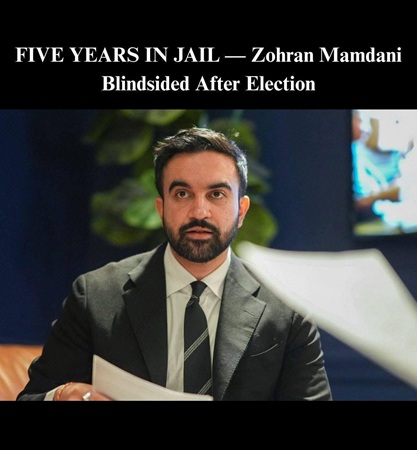
Mamdani Referred to DOJ Over Alleged Illegal Campaign Contributions from Foreign Nationals.

A campaign‑finance watchdog has filed two criminal referrals against Zohran Mamdani.

The leading candidate in the race for New York City mayor — alleging that his campaign accepted illicit donations from foreign contributors.

The group behind the referrals, Coolidge Reagan Foundation (CRF), submitted the complaints on Tuesday to both the Criminal Division of the U.S. Department of Justice (DOJ) and to the office of Alvin Bragg, Manhattan’s District Attorney.

 According to CRF’s filings, Mamdani may have violated the Federal Election Campaign Act (FECA), as well as applicable provisions of New York election law.

Details of the Allegations
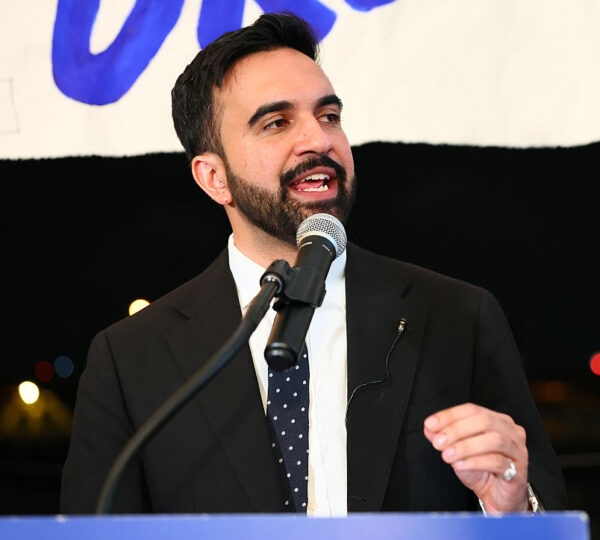
CRF alleges that between December 2024 and September 2025, Mamdani’s campaign accepted at least 161 contributions from sources outside the United States, from individuals listing foreign addresses.

The total amount from these foreign‑addressed donors is said to exceed $12,000.

The foreign contributors reportedly had addresses in countries including Dubai, Australia, Turkey, France, Canada, Germany, among others.

One of the contributions under scrutiny was reportedly a $500 donation from his mother‑in‑law, who is said to have a Dubai address.

According to public records, this donation was refunded four days after the campaign became aware of the issue.

CRF contends that many of these donations came from individuals who provided no verifiable information about employment or residency, complicating the process of confirming whether the donors are U.S. citizens, lawful permanent residents, or foreign nationals.
In CRF’s words — as stated in the referrals — these are “not isolated incidents or clerical errors.” Instead, the group describes the inflow of foreign funds as a “sustained pattern of foreign money flowing into a New York City mayoral race.”

According to CRF president Dan Backer, that pattern violates both federal and local campaign‑finance laws.

⚖️ Legal Framework & Why This Matters

Under FECA — specifically codified at 52 U.S.C. § 30121 — it is unlawful for any “foreign national” to make a contribution, donation, expenditure, or disbursement in connection with any federal, state, or local election in the United States.

It is likewise illegal for anyone to knowingly solicit, accept, or receive such a contribution from a foreign national.

The prohibition also covers indirect contributions — not only direct donation of money but also “anything of value” directed toward influencing an election.

Violators can be subject to both civil penalties (fines) and criminal penalties — including potential imprisonment — if authorities prove that a candidate “knowingly and willfully” accepted prohibited contributions.

CRF’s referral to the DOJ calls for a criminal investigation for potential FECA violations.

The referral to the Manhattan DA’s office also cites possible violations of state or local law — specifically pointing to a provision under New York election law (often referred to in filings as § 17.152) that prohibits conspiracy to influence an election by unlawful means.
CRF argues that returning questionable donations does not necessarily “erase” the violation, because the act of soliciting or accepting contributions from foreign nationals itself constitutes a breach — whether or not the funds were ultimately kept.

✅ Response from Mamdani’s Campaign & Current Status

The Mamdani campaign has acknowledged that some of the contributions came from individuals listing foreign addresses.

But the campaign has asserted that some of those donors are U.S. citizens or lawful permanent residents living abroad — which under federal law are allowed to contribute.

A campaign spokesperson said that the campaign has a compliance process intended to verify the eligibility of donors with foreign addresses, and that any impermissible contributions will be promptly refunded.

According to publicly available records cited by media, the campaign has refunded some of the challenged foreign‑address donations — but not all.

For example, some reports say at least 88 donations (amounting to roughly $7,190) remain unrefunded.

As of now, neither DOJ nor the Manhattan District Attorney’s office has publicly announced whether they have opened a formal criminal investigation or intend to file charges.

Why This Case Matters — Implications & Broader Context

The case highlights the risks posed by foreign‑source money in U.S. elections.

The law prohibits foreign nationals from influencing U.S. political campaigns financially — precisely to prevent external interference and protect the integrity of American democratic processes.

If prosecutors find that the donations came from actual foreign nationals (not just Americans living abroad), and that the campaign “knowingly accepted” them, the legal consequences could be serious:

FECA allows for criminal penalties, including fines and possible prison sentences.

The case also serves as a warning that campaign‑donation compliance must be rigorous — especially for donors listing foreign addresses or bank accounts.

Campaigns must verify citizenship or legal resident status; failing to do so may open them up to legal jeopardy even if they refund the money later.
Politically, the allegations — and the criminal referrals — could damage public trust, potentially influence voter perception, and might become a factor in how voters evaluate Mamdani’s suitability for mayor.

A campaign‑finance watchdog has filed two criminal referrals against Zohran Mamdani.

The leading candidate in the race for New York City mayor — alleging that his campaign accepted illicit donations from foreign contributors.

The group behind the referrals, Coolidge Reagan Foundation (CRF), submitted the complaints on Tuesday to both the Criminal Division of the U.S. Department of Justice (DOJ) and to the office of Alvin Bragg, Manhattan’s District Attorney.

 According to CRF’s filings, Mamdani may have violated the Federal Election Campaign Act (FECA), as well as applicable provisions of New York election law.

Details of the Allegations

CRF alleges that between December 2024 and September 2025, Mamdani’s campaign accepted at least 161 contributions from sources outside the United States, from individuals listing foreign addresses.

The total amount from these foreign‑addressed donors is said to exceed $12,000.

The foreign contributors reportedly had addresses in countries including Dubai, Australia, Turkey, France, Canada, Germany, among others.

One of the contributions under scrutiny was reportedly a $500 donation from his mother‑in‑law, who is said to have a Dubai address.

According to public records, this donation was refunded four days after the campaign became aware of the issue.

CRF contends that many of these donations came from individuals who provided no verifiable information about employment or residency, complicating the process of confirming whether the donors are U.S. citizens, lawful permanent residents, or foreign nationals.

In CRF’s words — as stated in the referrals — these are “not isolated incidents or clerical errors.” Instead, the group describes the inflow of foreign funds as a “sustained pattern of foreign money flowing into a New York City mayoral race.”

According to CRF president Dan Backer, that pattern violates both federal and local campaign‑finance laws.

⚖️ Legal Framework & Why This Matters

Under FECA — specifically codified at 52 U.S.C. § 30121 — it is unlawful for any “foreign national” to make a contribution, donation, expenditure, or disbursement in connection with any federal, state, or local election in the United States.

It is likewise illegal for anyone to knowingly solicit, accept, or receive such a contribution from a foreign national.

The prohibition also covers indirect contributions — not only direct donation of money but also “anything of value” directed toward influencing an election.

Violators can be subject to both civil penalties (fines) and criminal penalties — including potential imprisonment — if authorities prove that a candidate “knowingly and willfully” accepted prohibited contributions.

CRF’s referral to the DOJ calls for a criminal investigation for potential FECA violations.

The referral to the Manhattan DA’s office also cites possible violations of state or local law — specifically pointing to a provision under New York election law (often referred to in filings as § 17.152) that prohibits conspiracy to influence an election by unlawful means.

CRF argues that returning questionable donations does not necessarily “erase” the violation, because the act of soliciting or accepting contributions from foreign nationals itself constitutes a breach — whether or not the funds were ultimately kept.

✅ Response from Mamdani’s Campaign & Current Status

The Mamdani campaign has acknowledged that some of the contributions came from individuals listing foreign addresses.

But the campaign has asserted that some of those donors are U.S. citizens or lawful permanent residents living abroad — which under federal law are allowed to contribute.

A campaign spokesperson said that the campaign has a compliance process intended to verify the eligibility of donors with foreign addresses, and that any impermissible contributions will be promptly refunded.

According to publicly available records cited by media, the campaign has refunded some of the challenged foreign‑address donations — but not all.

For example, some reports say at least 88 donations (amounting to roughly $7,190) remain unrefunded.

As of now, neither DOJ nor the Manhattan District Attorney’s office has publicly announced whether they have opened a formal criminal investigation or intend to file charges.

Why This Case Matters — Implications & Broader Context

The case highlights the risks posed by foreign‑source money in U.S. elections.

The law prohibits foreign nationals from influencing U.S. political campaigns financially — precisely to prevent external interference and protect the integrity of American democratic processes.

If prosecutors find that the donations came from actual foreign nationals (not just Americans living abroad), and that the campaign “knowingly accepted” them, the legal consequences could be serious:

FECA allows for criminal penalties, including fines and possible prison sentences.

The case also serves as a warning that campaign‑donation compliance must be rigorous — especially for donors listing foreign addresses or bank accounts.

Campaigns must verify citizenship or legal resident status; failing to do so may open them up to legal jeopardy even if they refund the money later.

Politically, the allegations — and the criminal referrals — could damage public trust, potentially influence voter perception, and might become a factor in how voters evaluate Mamdani’s suitability for mayor.