I pulled over on the highway to help an elderly couple with a flat tire — just a tiny act of kindness, or so I thought. A week later, my mom was yelling at me on the phone: “STUART! Why didn’t you tell me? Turn on the TV. NOW.” That’s when my world completely turned upside down.
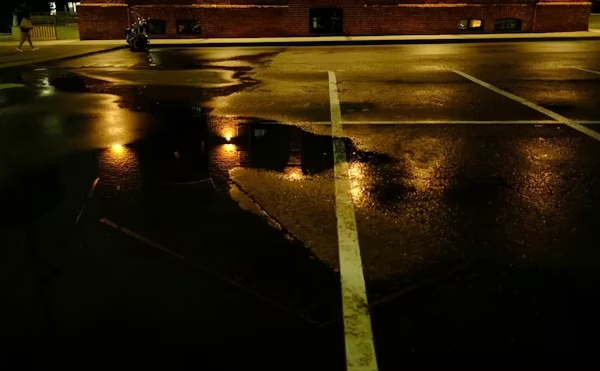
The rain on I-95 wasn’t just falling—it was a full-scale assault on everything in its path.
A horizontal wall of grey liquid battered the highway, blurring lane markings and turning the asphalt into a slick, reflective sheet that seemed determined to swallow vehicles whole.
Puddles formed in every crack and depression, sending up sprays that stung like needles against passing cars.
Windshield wipers struggled to keep pace, while headlights cut through the downpour in thin, trembling beams, illuminating the occasional hazard only seconds before it became unavoidable. Visibility was nearly zero.
My name is Stuart Miller. I’m twenty-eight years old, and as of last Tuesday, I was officially “redundant.”
That’s corporate jargon for unemployed. I had spent five grueling years earning a degree in Aerospace Engineering, graduating top of my class from MIT, and even filing two patents while still an undergraduate.
I had poured every ounce of energy and time into my education, building a foundation I hoped would launch me into a stable, rewarding career.
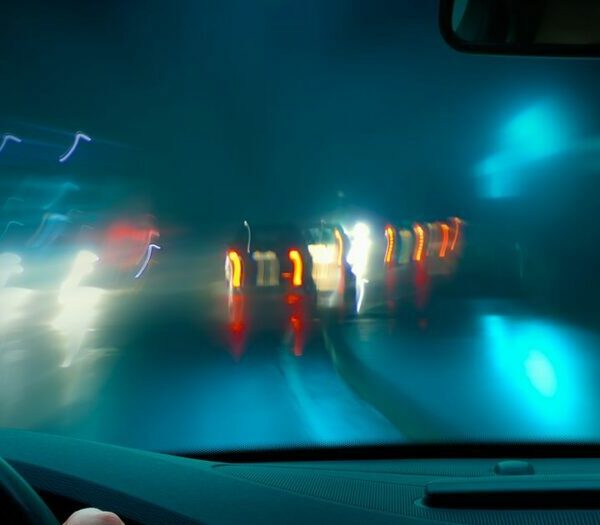
Yet here I was, driving my 2012 Ford Focus—a car whose interior smelled faintly of stale fast food, burnt coffee, and lingering despair—back from yet another failed job interview in Philadelphia.
The interviewer had barely glanced at my portfolio, his bored eyes scanning pages I had meticulously prepared, before delivering the vague, crushing verdict that I lacked “real-world grit.”
I was exhausted. My bank account was hovering dangerously close to zero.
My basement apartment felt less like home and more like a cell I could barely afford to rent.
All I wanted was to collapse into my bed and sleep for days, to disappear beneath blankets thick enough to muffle the weight of adulthood.
And then I saw them.
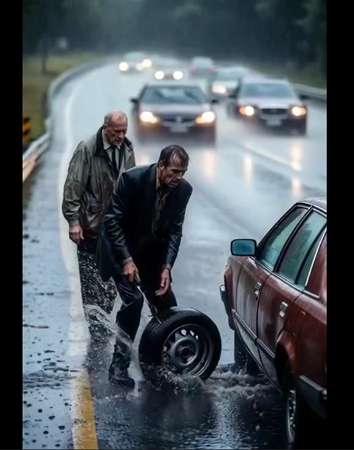
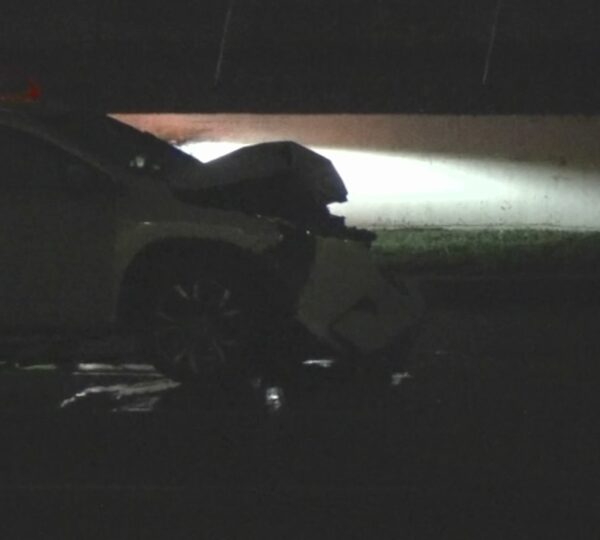
On the shoulder of the highway, barely visible through the torrential downpour, sat a beige Buick Century.
Its paint was faded, edges rusted, bumper dented, and chrome tarnished—a relic from the 1990s, more tomb than vehicle.
Beside it stood an old man, hunched against the wind, wrapped in a threadbare windbreaker that did little to shield him from the rain.
He wrestled with a tire iron, his movements slow and hesitant. In the passenger seat, a woman clutched the doorframe, her pale face pressed against the glass, terror written across every line of her features.
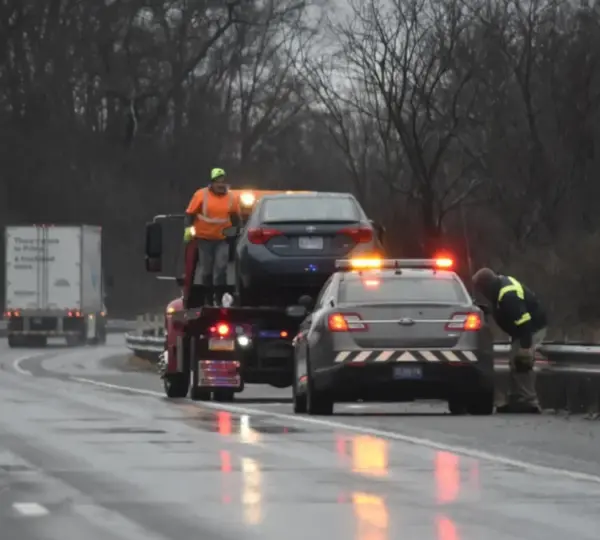
Cars roared past them at seventy miles an hour—BMWs, Mercedes, Teslas—spraying the couple with sheets of dirty water. Not one driver slowed. Not a single person made an attempt to help.
I exhaled sharply, gripping my steering wheel. I didn’t have the time. I didn’t have the energy.
And then the old man slipped. One misstep sent him dangerously close to the path of a speeding semi-truck.
“Dammit,” I muttered under my breath.
I pulled over without hesitation.
I grabbed my heavy raincoat from the back seat and stepped into the storm.
The wind hit me like a physical blow, soaking through the fabric almost instantly. Rain poured down my face, ran into my eyes, and plastered my hair to my forehead.
“Sir!” I shouted, raising my voice over the roar of the highway traffic.
The old man jerked around, startled. His glasses were fogged, and his hands trembled violently—whether from cold, age, or something more sinister, I could not tell.
“I… I can’t get it loose!” he yelled, voice frail. “It’s rusted on!”
“Get in the car!” I ordered urgently. “You’re going to get hypothermia. I’ve got this.”
“But—”
“Go!” I insisted, guiding him firmly into the passenger seat. He hesitated, fear flickering in his eyes. The woman offered a small, nervous smile as I helped him inside.
I knelt in the mud, examining the tire. He was right. The lug nuts were seized solid, oxidized with years of neglect and overtightened to a point that brute strength alone wouldn’t budge them. T
he flat wasn’t just flat—it was shredded, the metal rim scraping the asphalt with every slight shift.
I opened the trunk and retrieved a hollow metal pipe I kept for leverage. Sliding it over the handle of the tire iron, I relied on mechanical principles I had studied for years, principles I rarely needed outside a classroom or lab.
Creak. SNAP.
The first lug nut gave way. Then the second. Twenty grueling minutes later, my hands black with grease, my pants soaked through, and shivering violently, I finally had the spare mounted.
I tapped on the window. The old man rolled it down, his piercing blue eyes locking onto mine.
“What’s your name, son?” he asked.
“Stuart,” I replied.
He fumbled in his wallet, counting out forty dollars. “I… I want to pay you,” he said.
I shook my head. “Keep it. Buy your wife some hot soup. You both look frozen.”
“But you ruined your suit,” the woman protested softly.
“I’m unemployed, Ma’am. This suit wasn’t doing me much good anyway,” I replied, attempting humor despite my fatigue and frustration.
The old man’s eyes sharpened. “Unemployed? An engineer?”
“Yes,” I said, glancing down at my grease-streaked hands. “Aerospace. Apparently, I lack ‘grit.’”
He nodded slowly, contemplatively, and said nothing further.
I returned to my car, stripped off the ruined suit upon arriving home, and tossed it in the trash. Ramen for dinner, sleep for hours. The Buick, the old man, and his wife already fading from my thoughts.
A week passed. Rejection emails stacked up like physical blows. Rent was due in five days.
I debated pawning my guitar to scrape together enough for food. The world moved at high speed, and I felt invisible, like a ghost slipping through the cracks of other people’s lives.
On Tuesday morning, my phone rang. My mother’s voice, sharp and urgent, shattered the silence.
“Stuart! Turn on the news! Channel 5! Right now!”
I groaned, reluctant, but obeyed. My phone screen loaded a national broadcast, the glow illuminating my small, cluttered apartment.
There they were. The couple from the Buick. And the man—the old man—was Arthur Sterling, founder of Aero-Dynamics Global, one of the world’s largest aerospace and defense contractors.
A multibillion-dollar company. Sterling had been in seclusion for a decade, observing the world incognito.
“We staged a breakdown on I-95 during a storm,” he announced, recounting my act of kindness to a national audience.
“Hundreds passed. Only one stopped. Only one demonstrated the ingenuity, courage, and humanity our world still needs.”
Then came the revelation. “Stuart, if you are watching this… the job is yours. Come claim it.”
Minutes later, a black SUV convoy arrived at my apartment. Security agents escorted me through city streets to Aero-Dynamics headquarters, sirens and lights clearing the way. Neighbors gawked. I didn’t care.
Arthur Sterling personally welcomed me. “If you had known who I was, you might have stopped for the money.
You stopped for humanity,” he said, shaking my grease-stained hands firmly.
Martha, his wife, smiled warmly. “Sorry about the suit,” she said.
“It’s okay,” I replied.
A contract was presented: Head of Special Projects & Innovation. Salary: $450,000/year + stock options. Signing bonus: $50,000—with the stipulation to help my mother and buy a new suit.
Entering the R&D lab was surreal. Prototypes of drones, experimental engines, and aerospace machinery surrounded me.
Engineers froze mid-task, eyes wide in disbelief. I rolled up my sleeves, examined schematics, and immediately began hands-on work.
Three years later, I drive an Aston Martin, paid off my mother’s mortgage, and own my old apartment building.
In my corner office, a bent, rusted tire iron sits on display—a tangible reminder that humanity, ingenuity, and selfless action open doors that qualifications alone cannot.
I still stop for strangers in need. Last week, I pulled over for a young woman stranded on the roadside, offering help without expecting payment.
“Just pay it forward,” I told her, remembering a rainy day that changed my life forever.
Because you never know who you’re helping—or who you are becoming in the process.
The rain on I-95 wasn’t just falling—it was a full-scale assault on everything in its path.
A horizontal wall of grey liquid battered the highway, blurring lane markings and turning the asphalt into a slick, reflective sheet that seemed determined to swallow vehicles whole.
Puddles formed in every crack and depression, sending up sprays that stung like needles against passing cars.
Windshield wipers struggled to keep pace, while headlights cut through the downpour in thin, trembling beams, illuminating the occasional hazard only seconds before it became unavoidable. Visibility was nearly zero.
My name is Stuart Miller. I’m twenty-eight years old, and as of last Tuesday, I was officially “redundant.”
That’s corporate jargon for unemployed. I had spent five grueling years earning a degree in Aerospace Engineering, graduating top of my class from MIT, and even filing two patents while still an undergraduate.
I had poured every ounce of energy and time into my education, building a foundation I hoped would launch me into a stable, rewarding career.
Yet here I was, driving my 2012 Ford Focus—a car whose interior smelled faintly of stale fast food, burnt coffee, and lingering despair—back from yet another failed job interview in Philadelphia.
The interviewer had barely glanced at my portfolio, his bored eyes scanning pages I had meticulously prepared, before delivering the vague, crushing verdict that I lacked “real-world grit.”
I was exhausted. My bank account was hovering dangerously close to zero.
My basement apartment felt less like home and more like a cell I could barely afford to rent.
All I wanted was to collapse into my bed and sleep for days, to disappear beneath blankets thick enough to muffle the weight of adulthood.
And then I saw them.
On the shoulder of the highway, barely visible through the torrential downpour, sat a beige Buick Century.
Its paint was faded, edges rusted, bumper dented, and chrome tarnished—a relic from the 1990s, more tomb than vehicle.
Beside it stood an old man, hunched against the wind, wrapped in a threadbare windbreaker that did little to shield him from the rain.
He wrestled with a tire iron, his movements slow and hesitant. In the passenger seat, a woman clutched the doorframe, her pale face pressed against the glass, terror written across every line of her features.
Cars roared past them at seventy miles an hour—BMWs, Mercedes, Teslas—spraying the couple with sheets of dirty water. Not one driver slowed. Not a single person made an attempt to help.
I exhaled sharply, gripping my steering wheel. I didn’t have the time. I didn’t have the energy.
And then the old man slipped. One misstep sent him dangerously close to the path of a speeding semi-truck.
“Dammit,” I muttered under my breath.
I pulled over without hesitation.
I grabbed my heavy raincoat from the back seat and stepped into the storm.
The wind hit me like a physical blow, soaking through the fabric almost instantly. Rain poured down my face, ran into my eyes, and plastered my hair to my forehead.
“Sir!” I shouted, raising my voice over the roar of the highway traffic.
The old man jerked around, startled. His glasses were fogged, and his hands trembled violently—whether from cold, age, or something more sinister, I could not tell.
“I… I can’t get it loose!” he yelled, voice frail. “It’s rusted on!”
“Get in the car!” I ordered urgently. “You’re going to get hypothermia. I’ve got this.”
“But—”
“Go!” I insisted, guiding him firmly into the passenger seat. He hesitated, fear flickering in his eyes. The woman offered a small, nervous smile as I helped him inside.
I knelt in the mud, examining the tire. He was right. The lug nuts were seized solid, oxidized with years of neglect and overtightened to a point that brute strength alone wouldn’t budge them. T
he flat wasn’t just flat—it was shredded, the metal rim scraping the asphalt with every slight shift.
I opened the trunk and retrieved a hollow metal pipe I kept for leverage. Sliding it over the handle of the tire iron, I relied on mechanical principles I had studied for years, principles I rarely needed outside a classroom or lab.
Creak. SNAP.
The first lug nut gave way. Then the second. Twenty grueling minutes later, my hands black with grease, my pants soaked through, and shivering violently, I finally had the spare mounted.
I tapped on the window. The old man rolled it down, his piercing blue eyes locking onto mine.
“What’s your name, son?” he asked.
“Stuart,” I replied.
He fumbled in his wallet, counting out forty dollars. “I… I want to pay you,” he said.
I shook my head. “Keep it. Buy your wife some hot soup. You both look frozen.”
“But you ruined your suit,” the woman protested softly.
“I’m unemployed, Ma’am. This suit wasn’t doing me much good anyway,” I replied, attempting humor despite my fatigue and frustration.
The old man’s eyes sharpened. “Unemployed? An engineer?”
“Yes,” I said, glancing down at my grease-streaked hands. “Aerospace. Apparently, I lack ‘grit.’”
He nodded slowly, contemplatively, and said nothing further.
I returned to my car, stripped off the ruined suit upon arriving home, and tossed it in the trash. Ramen for dinner, sleep for hours. The Buick, the old man, and his wife already fading from my thoughts.
A week passed. Rejection emails stacked up like physical blows. Rent was due in five days.
I debated pawning my guitar to scrape together enough for food. The world moved at high speed, and I felt invisible, like a ghost slipping through the cracks of other people’s lives.
On Tuesday morning, my phone rang. My mother’s voice, sharp and urgent, shattered the silence.
“Stuart! Turn on the news! Channel 5! Right now!”
I groaned, reluctant, but obeyed. My phone screen loaded a national broadcast, the glow illuminating my small, cluttered apartment.
There they were. The couple from the Buick. And the man—the old man—was Arthur Sterling, founder of Aero-Dynamics Global, one of the world’s largest aerospace and defense contractors.
A multibillion-dollar company. Sterling had been in seclusion for a decade, observing the world incognito.
“We staged a breakdown on I-95 during a storm,” he announced, recounting my act of kindness to a national audience.
“Hundreds passed. Only one stopped. Only one demonstrated the ingenuity, courage, and humanity our world still needs.”
Then came the revelation. “Stuart, if you are watching this… the job is yours. Come claim it.”
Minutes later, a black SUV convoy arrived at my apartment. Security agents escorted me through city streets to Aero-Dynamics headquarters, sirens and lights clearing the way. Neighbors gawked. I didn’t care.
Arthur Sterling personally welcomed me. “If you had known who I was, you might have stopped for the money.
You stopped for humanity,” he said, shaking my grease-stained hands firmly.
Martha, his wife, smiled warmly. “Sorry about the suit,” she said.
“It’s okay,” I replied.
A contract was presented: Head of Special Projects & Innovation. Salary: $450,000/year + stock options. Signing bonus: $50,000—with the stipulation to help my mother and buy a new suit.
Entering the R&D lab was surreal. Prototypes of drones, experimental engines, and aerospace machinery surrounded me.
Engineers froze mid-task, eyes wide in disbelief. I rolled up my sleeves, examined schematics, and immediately began hands-on work.
Three years later, I drive an Aston Martin, paid off my mother’s mortgage, and own my old apartment building.
In my corner office, a bent, rusted tire iron sits on display—a tangible reminder that humanity, ingenuity, and selfless action open doors that qualifications alone cannot.
I still stop for strangers in need. Last week, I pulled over for a young woman stranded on the roadside, offering help without expecting payment.
“Just pay it forward,” I told her, remembering a rainy day that changed my life forever.
Because you never know who you’re helping—or who you are becoming in the process.


