...

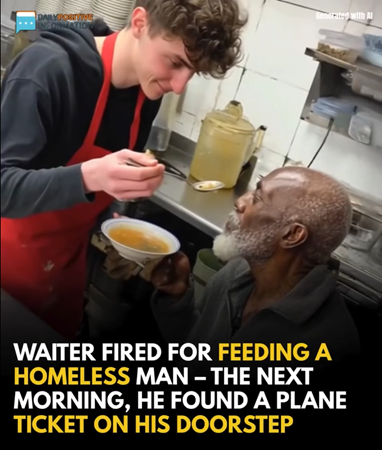
Server Loses Job for Letting a Homeless Man Dine Inside — Next Day, a Plane Ticket Arrives at His Home.

Have you ever had one of those days when it feels like the world is determined to break you?

When every step feels heavier, and every breath reminds you of how little air you seem to have? I was eighteen, but in many ways, I felt a decade older.

Life has a way of kicking you when you’re down, then stomping on you for good measure.

I worked at Callahan’s, a small, family-owned Italian restaurant on the outskirts of an old industrial town in Ohio.

It wasn’t the kind of place you’d see in glossy magazines or food blogs.
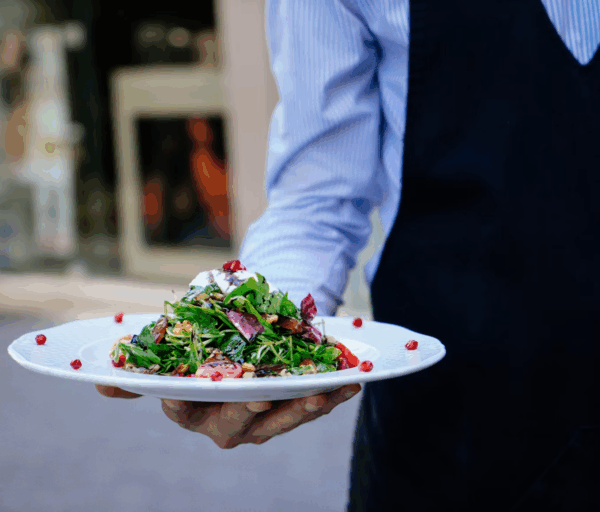
It had red checkered vinyl tablecloths, dusty plastic grapes dangling from the ceiling, and a constant smell of garlic, floor wax, and damp coats.

I wasn’t a waiter. Management thought I looked “too green” for customer service. Too skinny, too quiet, too much like a kid afraid of his own shadow—which, to be fair, I was.

So I spent my days in the back, scrubbing plates until my hands were raw, busing tables until my back ached, and picking gum off the chairs.

No tips, just minimum wage, exhaustion, and the silent hope I wouldn’t be yelled at for “standing around” while catching my breath.

Life had already taken too much from me.

My parents had died in a car accident a couple of years earlier—a slick patch of ice on a Tuesday night—and suddenly, the house I grew up in was mine, along with the debts they left behind.

Grief doesn’t stop the mortgage company from sending letters. I was barely keeping my head above water. Every dollar mattered. Every hour on the clock was a lifeline.

The Night That Changed Everything

It was November, bitter and relentless. The wind cut like knives behind the restaurant, rattling the metal loading dock doors.
I was taking out the trash, balancing bags soaked with rain and kitchen waste, when I noticed something near the dumpster.

A man, huddled under torn blankets and cardboard boxes, shaking violently. His lips were blue, his eyes barely opening.

“Sir?” I asked, stepping closer.

“No… just cold… so cold…” he croaked.

Fear and common sense collided inside me. If Mr. Callahan saw him, it would be trouble. But I couldn’t leave him there.

“Come on,” I said, helping him up. He was frail, light, barely able to stand. I guided him through the back door to a supply closet, hidden from the kitchen, warm, small, but safe.

I wrapped him in a clean towel, ran to the kitchen, grabbed a bowl of leftover minestrone soup, and a few rolls, and handed them to him. His hands shook, spilling some of the soup.

“My name’s Arthur,” he said between shaky breaths. “I used to play piano.”

I believed him. And I told him he could stay until morning.

The Confrontation

Before the night could settle, Mr. Callahan stormed into the back.

“You brought a homeless man into my restaurant? Are you insane?” he bellowed.

I tried to explain. Mark, the floor manager, stepped in quietly, defending me. But it didn’t matter.

“You’re fired,” Callahan snapped.

And just like that, I lost the only thing keeping me afloat.

The Morning After

I walked home through the rain, soaked, exhausted, and defeated.

My parents’ house greeted me with silence and a stack of unopened bills. Another foreclosure notice stared at me from the kitchen table.

I sat there, broken, thinking my world was collapsing. But then, at the front door, I noticed something unusual: a thick manila envelope, heavy and dry, waiting for me on the doormat.

Inside: a one-way plane ticket to New York City, a roll of cash, and a note.

“Derek, what you did yesterday showed the kind of man you are. I have a friend managing a prestigious Manhattan restaurant.

He agreed to hire you as a trainee. This cash is a start. Go. You have a future much bigger than this town. Mark.”

Mark? The same manager who watched me get fired?

I cried for the first time in years—not from sadness, but from relief. Someone believed in me.

New York City

I landed in New York, exhausted and terrified, stepping into a city I had only ever seen in movies. The streets were noisy, chaotic, alive. The subway stank, the wind cut through me, but I had a purpose.

The restaurant, The Gilded Lily, was magnificent. Crystal chandeliers, polished floors, elegantly dressed staff moving like dancers. Julian, the manager Mark recommended me to, sized me up.

“You have integrity. Talent is cheap, but integrity is rare. Start in the back. You have to earn the floor.”

Lessons Learned

The first winter was brutal. I slept in a freezing walk-up in Queens, barely seeing daylight, learning everything from folding napkins to serving wine.

On Christmas Eve, alone, I almost gave up. But Mark’s note on my notepad reminded me: You have a future much bigger than you think.

I stayed. I pushed forward.

The Broken Glass

Two months later, I dropped a $400 bottle of wine. The room went silent. I froze, expecting Julian’s wrath.

Instead, he calmly handled the situation, teaching me that panic causes mistakes, but confidence fixes them.

That night, I didn’t just learn to carry a tray—I learned how to lead.

Finding Arthur

Years later, I hired a private investigator to find Arthur.

He had passed away two years earlier. But thanks to someone’s kindness—a heavy coat, a little money—he had spent his final years teaching piano to children at a halfway house.

My small act had changed his last chapter.

The Open Door

Now, I’m the General Manager at The Gilded Lily.

I had investors offering millions to open my own restaurant, but I refused money from anyone who didn’t share my vision: true hospitality includes everyone, not just those who can pay.

And one rainy afternoon, I saw Mark again.

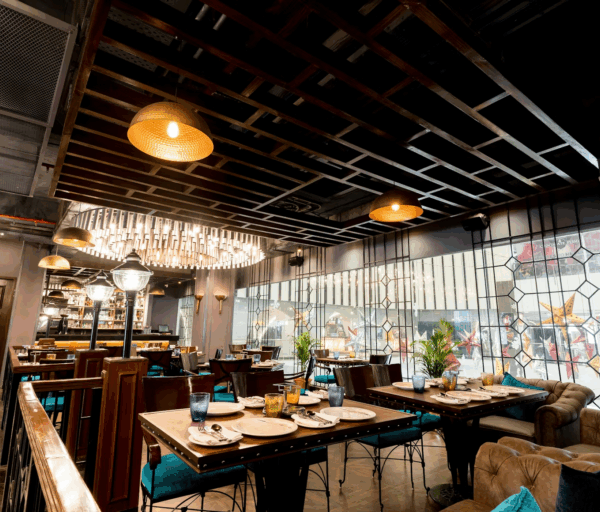
He was my first customer at my next dream: The Open Door, a restaurant with a back door open daily for anyone who’s cold or hungry.
I didn’t just survive. I learned that kindness, integrity, and courage create opportunities that no hardship can take away.

And sometimes, the smallest act—a bowl of soup, a helping hand—can change lives forever.

Have you ever had one of those days when it feels like the world is determined to break you?

When every step feels heavier, and every breath reminds you of how little air you seem to have? I was eighteen, but in many ways, I felt a decade older.

Life has a way of kicking you when you’re down, then stomping on you for good measure.

I worked at Callahan’s, a small, family-owned Italian restaurant on the outskirts of an old industrial town in Ohio.

It wasn’t the kind of place you’d see in glossy magazines or food blogs.

It had red checkered vinyl tablecloths, dusty plastic grapes dangling from the ceiling, and a constant smell of garlic, floor wax, and damp coats.

I wasn’t a waiter. Management thought I looked “too green” for customer service. Too skinny, too quiet, too much like a kid afraid of his own shadow—which, to be fair, I was.

So I spent my days in the back, scrubbing plates until my hands were raw, busing tables until my back ached, and picking gum off the chairs.

No tips, just minimum wage, exhaustion, and the silent hope I wouldn’t be yelled at for “standing around” while catching my breath.

Life had already taken too much from me.

My parents had died in a car accident a couple of years earlier—a slick patch of ice on a Tuesday night—and suddenly, the house I grew up in was mine, along with the debts they left behind.

Grief doesn’t stop the mortgage company from sending letters. I was barely keeping my head above water. Every dollar mattered. Every hour on the clock was a lifeline.

The Night That Changed Everything

It was November, bitter and relentless. The wind cut like knives behind the restaurant, rattling the metal loading dock doors.

I was taking out the trash, balancing bags soaked with rain and kitchen waste, when I noticed something near the dumpster.

A man, huddled under torn blankets and cardboard boxes, shaking violently. His lips were blue, his eyes barely opening.

“Sir?” I asked, stepping closer.

“No… just cold… so cold…” he croaked.

Fear and common sense collided inside me. If Mr. Callahan saw him, it would be trouble. But I couldn’t leave him there.

“Come on,” I said, helping him up. He was frail, light, barely able to stand. I guided him through the back door to a supply closet, hidden from the kitchen, warm, small, but safe.

I wrapped him in a clean towel, ran to the kitchen, grabbed a bowl of leftover minestrone soup, and a few rolls, and handed them to him. His hands shook, spilling some of the soup.

“My name’s Arthur,” he said between shaky breaths. “I used to play piano.”

I believed him. And I told him he could stay until morning.

The Confrontation

Before the night could settle, Mr. Callahan stormed into the back.

“You brought a homeless man into my restaurant? Are you insane?” he bellowed.

I tried to explain. Mark, the floor manager, stepped in quietly, defending me. But it didn’t matter.

“You’re fired,” Callahan snapped.

And just like that, I lost the only thing keeping me afloat.

The Morning After

I walked home through the rain, soaked, exhausted, and defeated.

My parents’ house greeted me with silence and a stack of unopened bills. Another foreclosure notice stared at me from the kitchen table.

I sat there, broken, thinking my world was collapsing. But then, at the front door, I noticed something unusual: a thick manila envelope, heavy and dry, waiting for me on the doormat.

Inside: a one-way plane ticket to New York City, a roll of cash, and a note.

“Derek, what you did yesterday showed the kind of man you are. I have a friend managing a prestigious Manhattan restaurant.

He agreed to hire you as a trainee. This cash is a start. Go. You have a future much bigger than this town. Mark.”

Mark? The same manager who watched me get fired?

I cried for the first time in years—not from sadness, but from relief. Someone believed in me.

New York City

I landed in New York, exhausted and terrified, stepping into a city I had only ever seen in movies. The streets were noisy, chaotic, alive. The subway stank, the wind cut through me, but I had a purpose.

The restaurant, The Gilded Lily, was magnificent. Crystal chandeliers, polished floors, elegantly dressed staff moving like dancers. Julian, the manager Mark recommended me to, sized me up.

“You have integrity. Talent is cheap, but integrity is rare. Start in the back. You have to earn the floor.”

Lessons Learned

The first winter was brutal. I slept in a freezing walk-up in Queens, barely seeing daylight, learning everything from folding napkins to serving wine.

On Christmas Eve, alone, I almost gave up. But Mark’s note on my notepad reminded me: You have a future much bigger than you think.

I stayed. I pushed forward.

The Broken Glass

Two months later, I dropped a $400 bottle of wine. The room went silent. I froze, expecting Julian’s wrath.

Instead, he calmly handled the situation, teaching me that panic causes mistakes, but confidence fixes them.

That night, I didn’t just learn to carry a tray—I learned how to lead.

Finding Arthur

Years later, I hired a private investigator to find Arthur.

He had passed away two years earlier. But thanks to someone’s kindness—a heavy coat, a little money—he had spent his final years teaching piano to children at a halfway house.

My small act had changed his last chapter.

The Open Door

Now, I’m the General Manager at The Gilded Lily.

I had investors offering millions to open my own restaurant, but I refused money from anyone who didn’t share my vision: true hospitality includes everyone, not just those who can pay.

And one rainy afternoon, I saw Mark again.

He was my first customer at my next dream: The Open Door, a restaurant with a back door open daily for anyone who’s cold or hungry.

I didn’t just survive. I learned that kindness, integrity, and courage create opportunities that no hardship can take away.

And sometimes, the smallest act—a bowl of soup, a helping hand—can change lives forever.