...

Decades After Leaving His Son in My Care, My Brother-in-Law Came Back to an Unforeseen Home

I never imagined that my life could change so drastically, but everything shifted the day my daughter Anna passed away unexpectedly.

She was vibrant, full of life, and a woman who carried both kindness and quiet strength in equal measure.

Her laughter could fill a room, and her ability to make others feel seen and valued was extraordinary. Losing her felt like losing the center of my world.

The home that once rang with her cheerful voice and her son Ethan’s playful chatter became eerily silent almost overnight.

I, a quiet school librarian accustomed to routine, books, and the comforting rhythm of small, ordinary days, suddenly found myself facing a void that seemed impossible to fill.

In the weeks following Anna’s passing, I stayed in her house, hoping that the familiar walls, her carefully chosen furniture, and even the faint scent of her cooking could provide some measure of comfort to Ethan, her three-year-old son.

I tried to maintain the routines she had established—reading bedtime stories, preparing his favorite macaroni and cheese, and keeping up the small weekend rituals she had loved—so that he would have at least a semblance of stability in a world that had been abruptly turned upside down.

I even kept a small playlist of the songs Anna used to sing to him, playing them softly in the background so that the house didn’t feel entirely empty.

One morning, about a week into my stay, my son-in-law Mark arrived unexpectedly.

He carried Ethan’s small suitcase, his hands shaking slightly as he tried to muster courage, and admitted that he wasn’t prepared to raise a child alone.

His words hit me like a wave, heavy and cold, yet strangely clarifying. In that moment, I realized that my life had irrevocably changed.

Though the news was painful, I looked down at Ethan’s trusting, wide eyes—eyes that reflected confusion, innocence, and unwavering faith in the adults around him—and something inside me clicked.

My purpose had been rewritten.

My mission now was clear: to provide him with love, stability, and a home in which he could grow, laugh, and thrive despite the absence of his parents.

Raising Ethan became both the greatest responsibility and the most profound blessing of my life.

We remained in Anna’s home, clinging to her presence in small ways—through the books she had read to him, the little framed photographs she had placed on the shelves, and the tiny trinkets that reminded us of her warmth.

Money was tight, and there were countless long days and sleepless nights, yet the sound of Ethan’s laughter made every sacrifice worth it.

I worked multiple jobs, often returning home exhausted, my hands calloused from typing, shelving books, and organizing events, yet Ethan’s smile, the way he clutched my hand when we walked together, and the stories he excitedly shared about his adventures at preschool carried me forward.

As the years passed, Ethan grew into a thoughtful, hardworking young man. From a young age, he exhibited a quiet sense of responsibility.

He eagerly helped with dishes, cleaned up without being asked, and was always attentive to my needs, often offering small gestures—a cup of tea, a folded blanket, a hug—that made my exhaustion feel lighter.

He was endlessly curious about the world, asking questions about everything from how birds migrate to how stories in books come alive.
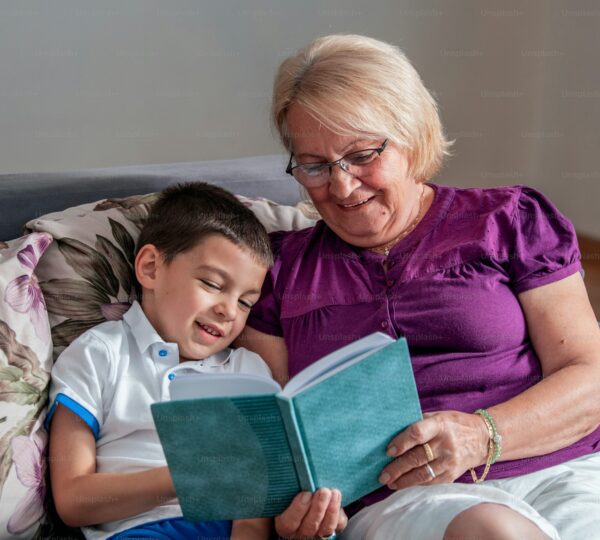
He never boasted about his accomplishments, but it became evident that he was quietly building a life grounded in diligence, integrity, and empathy—values nurtured by the home we created together.

By the time he reached adulthood, he had quietly established a successful career, earning respect not through words, but through his consistent actions and steadfast character.

When Ethan eventually invited me to move in with him so he could take care of me, I realized just how deeply our bond had shaped both our lives.

We had built a life defined not by tragedy, but by resilience, love, and commitment.

Our home became a sanctuary of shared memories, photographs, and books lining the walls—a place where laughter, stories, and occasional tears could coexist freely.

Eventually, we left Anna’s house, though we maintained ownership of it.

Ethan promised me that one day he would restore it in honor of his mother, a pledge that reflected his love, thoughtfulness, and reverence for family history.

Life settled into a peaceful rhythm, built on stability, shared joy, and quiet gratitude.

For decades, the old house remained a symbol of our shared past—cherished, preserved, and left in our care as a testament to the life Anna had dreamed for her son.

Then, unexpectedly, Mark reappeared. A neighbor called one afternoon to say that he had returned to the old house and seemed taken aback by its condition.

When Ethan learned of this, he calmly requested that Mark be sent to our current address.

Watching him, I noticed something I hadn’t seen in years: a quiet resolve, a confidence rooted in decades of stability and love, an absence of fear.

The man who had walked away from his responsibilities so many years ago no longer held power over our lives.

When Mark arrived, it became clear that he was not seeking reconciliation, nor was he expressing remorse.

Instead, he presented legal papers, claiming that he still had rights to the old house. It was evident he hoped to benefit from Ethan’s success, using the home as leverage.

But Ethan’s response was measured, calm, and unyielding.

He explained with quiet certainty that the home was built on love, memories, and shared sacrifice—a place that Mark had forfeited the moment he chose to leave.

After Mark left, we stood together in our kitchen, the sunlight streaming through the windows, and felt a sense of closure that had eluded us for decades.

A few weeks later, we returned to the old house, walking through the rooms filled with echoes of our past—the worn corners of carpet where Ethan had crawled as a toddler, the faint smell of Anna’s favorite vanilla candle, the tiny scratches on the walls marking Ethan’s growth.

The space no longer carried only sorrow; it resonated with gratitude.

Gratitude for the years we had shared, for the love that had strengthened us, and for the life we had built from heartbreak.

In the end, the story of our family was never about who left, but about who stayed.

It was defined not by absence, but by presence, commitment, and unwavering love.

Through every trial, every tear, and every moment of uncertainty, Ethan and I remained together, bound by a connection that no loss, no abandonment, and no passage of time could ever break.

In that enduring bond, we found not just survival, but a life rich with meaning, joy, and peace—a life where love, resilience, and family truly triumphed over adversity.

I never imagined that my life could change so drastically, but everything shifted the day my daughter Anna passed away unexpectedly.

She was vibrant, full of life, and a woman who carried both kindness and quiet strength in equal measure.

Her laughter could fill a room, and her ability to make others feel seen and valued was extraordinary. Losing her felt like losing the center of my world.

The home that once rang with her cheerful voice and her son Ethan’s playful chatter became eerily silent almost overnight.

I, a quiet school librarian accustomed to routine, books, and the comforting rhythm of small, ordinary days, suddenly found myself facing a void that seemed impossible to fill.

In the weeks following Anna’s passing, I stayed in her house, hoping that the familiar walls, her carefully chosen furniture, and even the faint scent of her cooking could provide some measure of comfort to Ethan, her three-year-old son.

I tried to maintain the routines she had established—reading bedtime stories, preparing his favorite macaroni and cheese, and keeping up the small weekend rituals she had loved—so that he would have at least a semblance of stability in a world that had been abruptly turned upside down.

I even kept a small playlist of the songs Anna used to sing to him, playing them softly in the background so that the house didn’t feel entirely empty.

One morning, about a week into my stay, my son-in-law Mark arrived unexpectedly.

He carried Ethan’s small suitcase, his hands shaking slightly as he tried to muster courage, and admitted that he wasn’t prepared to raise a child alone.

His words hit me like a wave, heavy and cold, yet strangely clarifying. In that moment, I realized that my life had irrevocably changed.

Though the news was painful, I looked down at Ethan’s trusting, wide eyes—eyes that reflected confusion, innocence, and unwavering faith in the adults around him—and something inside me clicked.

My purpose had been rewritten.

My mission now was clear: to provide him with love, stability, and a home in which he could grow, laugh, and thrive despite the absence of his parents.

Raising Ethan became both the greatest responsibility and the most profound blessing of my life.

We remained in Anna’s home, clinging to her presence in small ways—through the books she had read to him, the little framed photographs she had placed on the shelves, and the tiny trinkets that reminded us of her warmth.

Money was tight, and there were countless long days and sleepless nights, yet the sound of Ethan’s laughter made every sacrifice worth it.

I worked multiple jobs, often returning home exhausted, my hands calloused from typing, shelving books, and organizing events, yet Ethan’s smile, the way he clutched my hand when we walked together, and the stories he excitedly shared about his adventures at preschool carried me forward.

As the years passed, Ethan grew into a thoughtful, hardworking young man. From a young age, he exhibited a quiet sense of responsibility.

He eagerly helped with dishes, cleaned up without being asked, and was always attentive to my needs, often offering small gestures—a cup of tea, a folded blanket, a hug—that made my exhaustion feel lighter.

He was endlessly curious about the world, asking questions about everything from how birds migrate to how stories in books come alive.

He never boasted about his accomplishments, but it became evident that he was quietly building a life grounded in diligence, integrity, and empathy—values nurtured by the home we created together.

By the time he reached adulthood, he had quietly established a successful career, earning respect not through words, but through his consistent actions and steadfast character.

When Ethan eventually invited me to move in with him so he could take care of me, I realized just how deeply our bond had shaped both our lives.

We had built a life defined not by tragedy, but by resilience, love, and commitment.

Our home became a sanctuary of shared memories, photographs, and books lining the walls—a place where laughter, stories, and occasional tears could coexist freely.

Eventually, we left Anna’s house, though we maintained ownership of it.

Ethan promised me that one day he would restore it in honor of his mother, a pledge that reflected his love, thoughtfulness, and reverence for family history.

Life settled into a peaceful rhythm, built on stability, shared joy, and quiet gratitude.

For decades, the old house remained a symbol of our shared past—cherished, preserved, and left in our care as a testament to the life Anna had dreamed for her son.

Then, unexpectedly, Mark reappeared. A neighbor called one afternoon to say that he had returned to the old house and seemed taken aback by its condition.

When Ethan learned of this, he calmly requested that Mark be sent to our current address.

Watching him, I noticed something I hadn’t seen in years: a quiet resolve, a confidence rooted in decades of stability and love, an absence of fear.

The man who had walked away from his responsibilities so many years ago no longer held power over our lives.

When Mark arrived, it became clear that he was not seeking reconciliation, nor was he expressing remorse.

Instead, he presented legal papers, claiming that he still had rights to the old house. It was evident he hoped to benefit from Ethan’s success, using the home as leverage.

But Ethan’s response was measured, calm, and unyielding.

He explained with quiet certainty that the home was built on love, memories, and shared sacrifice—a place that Mark had forfeited the moment he chose to leave.

After Mark left, we stood together in our kitchen, the sunlight streaming through the windows, and felt a sense of closure that had eluded us for decades.

A few weeks later, we returned to the old house, walking through the rooms filled with echoes of our past—the worn corners of carpet where Ethan had crawled as a toddler, the faint smell of Anna’s favorite vanilla candle, the tiny scratches on the walls marking Ethan’s growth.

The space no longer carried only sorrow; it resonated with gratitude.

Gratitude for the years we had shared, for the love that had strengthened us, and for the life we had built from heartbreak.

In the end, the story of our family was never about who left, but about who stayed.

It was defined not by absence, but by presence, commitment, and unwavering love.

Through every trial, every tear, and every moment of uncertainty, Ethan and I remained together, bound by a connection that no loss, no abandonment, and no passage of time could ever break.

In that enduring bond, we found not just survival, but a life rich with meaning, joy, and peace—a life where love, resilience, and family truly triumphed over adversity.