...

My Dog Dragged Me Off the Ladder Just in Time to Avoid a Hidden Danger

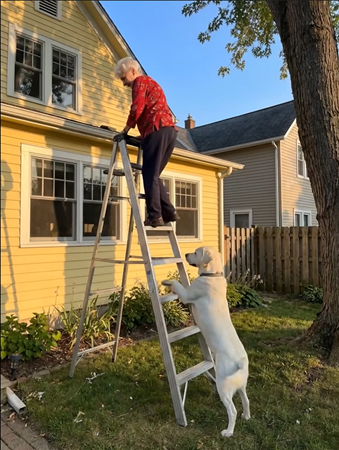
I was on the ladder trimming the branches of our old apple tree that morning when my dog, unexpectedly, bit my pant leg and pulled me down.

At first, I thought he was simply being playful or seeking attention. But as the events unfolded, it became clear that there was something far more urgent behind his behavior.

That day left a lasting impression on me about the keen instincts and quiet loyalty of animals—lessons I had always appreciated in theory, but never so vividly in practice.

The sky that morning was heavy and gray, a thick blanket of clouds stretching across the horizon, muting the light in a way that made everything seem subdued yet eerily charged.

The air was crisp, with a faint smell of wet soil mixed with frost, and a chill ran through my jacket despite the mild exertion from climbing the ladder.

The wind whispered through the bare branches of the apple tree, making the older, gnarled limbs sway slightly.
Even the smaller branches, bending under the weight of frost and last year’s leaves, seemed to shiver with quiet tension.

It was a morning that suggested rain might fall at any moment, yet I had woken up determined to finish pruning the tree before winter settled in fully.

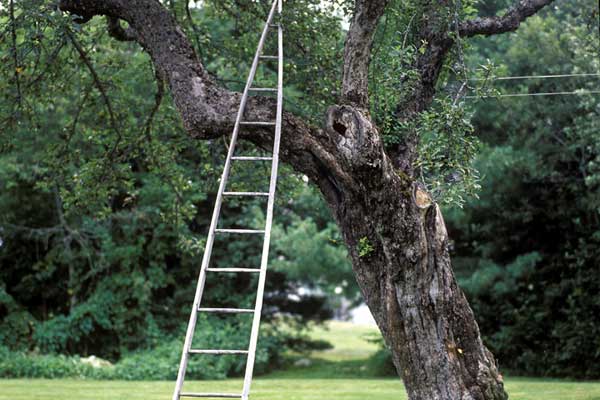
The tree itself was an old friend of mine. Its trunk had deep grooves, scars from years of storms, and the branches twisted in ways that told stories of resilience.

But the overgrowth had become too much. Some branches bent low toward the ground, threatening to damage the fence if left unchecked, while others had begun to crowd the neighbor’s yard.

I had procrastinated for weeks, telling myself I would do it “tomorrow,” until I realized that the time had come—there was no longer any excuse to delay.

The ladder, sturdy but well-worn from many seasons of pruning, was already leaning securely against the trunk, its metal rungs cold under my touch.

I had barely climbed a few steps when I felt a sudden tug at my pant leg. Startled, I spun around to see my dog scrambling toward me.

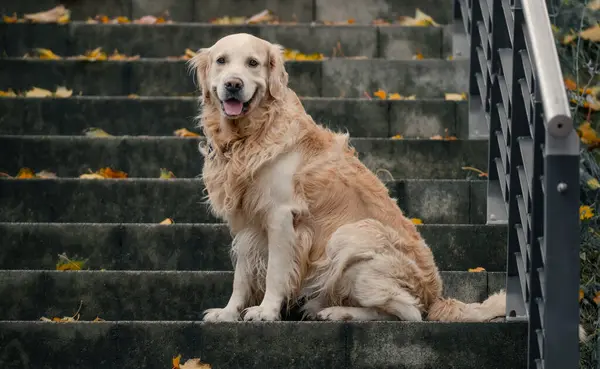
Normally calm and obedient, he now moved with frantic energy, his paws slipping against the ladder, nails scraping loudly on the metal, and his eyes wide and unblinking.

There was a look in them I had never seen before: pure urgency, almost a silent plea.

At first, I laughed nervously, assuming he wanted to play or needed attention.
“Get down, boy,” I said, brushing him off. But the second tug was stronger.

He bit my pant leg again and braced himself against the ladder as if his life depended on stopping me from climbing.

Frustration bubbled up inside me. I shook my head, muttering about his mischief.

“Stop it, seriously,” I said aloud, feeling a mixture of irritation and amusement.

But the longer I watched him, the more I realized that this wasn’t playful behavior.

Something was off. The intensity in his eyes, the persistence of his tugs, and the way he positioned his body all conveyed a seriousness I couldn’t ignore.

My pulse quickened. I considered the precariousness of standing on a ladder with him tugging at my leg.

The stones, scattered tools, and old garden equipment below could easily have caused serious injury if I had fallen.

Trying to take control of the situation, I carefully guided him away from the ladder and secured him on his chain near the kennel.

He lowered his head in apparent disappointment, his tail tucked slightly, and I felt a pang of guilt.

“I know it’s for your safety,” I whispered, stroking his ears, “but I don’t want to leave you out here.”

Still, I convinced myself it was necessary to finish the pruning task safely.
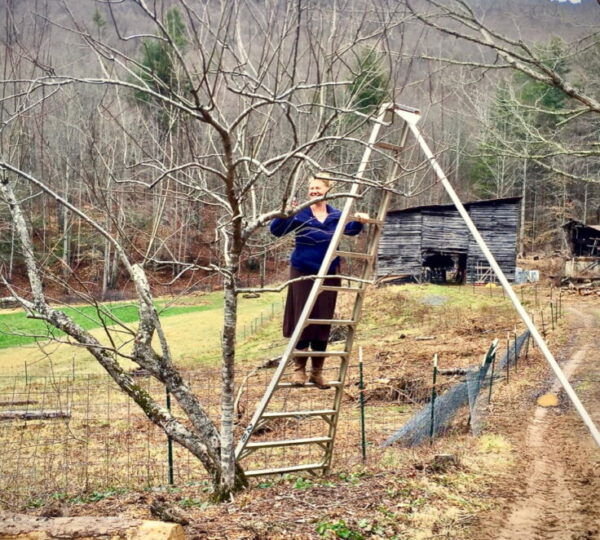
I took a deep breath and returned to the ladder.

The first rung felt solid beneath my boot, but as I shifted my weight and prepared to climb higher, a sudden, hollow crack echoed through the quiet morning.

The ground beneath the ladder had softened overnight, soaked by unseen underground water seeping through the soil.

Without warning, the ladder tipped forward, sliding slowly toward the stones and old tools below.

I froze, heart pounding, as I realized just how close I had come to disaster.

My dog’s warnings now made perfect sense. Every tug, every determined bite at my pant leg—it hadn’t been mischief.

It had been instinct, a protective warning delivered by someone who loved me more than I had understood.

I walked slowly back to the kennel, legs trembling from the adrenaline surge, and found him wagging his tail as if to say, “See? I told you.”

I knelt beside him, hugging him tightly, whispering a heartfelt thank-you, and felt a profound wave of gratitude.

In that quiet moment, I understood something essential: those who love us often sense danger long before we do.

Their warnings may come in forms we do not immediately understand—tugs, nudges, gestures—but the intent is pure, protective, and urgent.

That day, I climbed no ladders and trimmed no branches.

Yet I walked away with a lesson I have carried ever since: vigilance, loyalty, and love can manifest in ways that seem almost mystical.
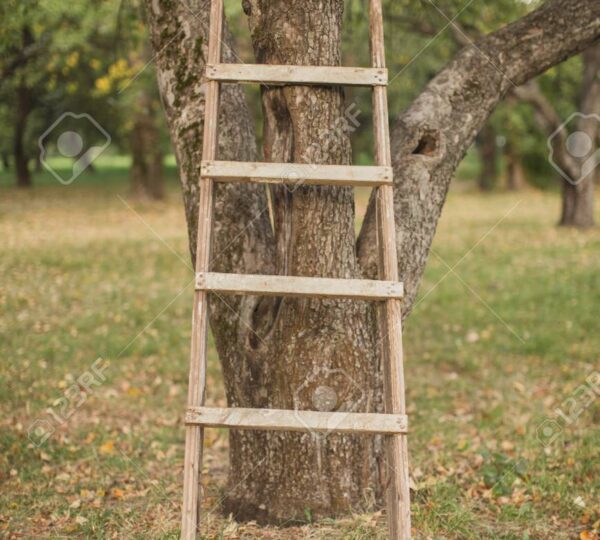
Wooden ladder near apple tree

My dog’s actions saved me from serious injury, reminding me of the quiet intelligence and intuition present in animals that we often overlook.

He had acted out of devotion and instinct, and for that, I will forever be grateful.

Since then, whenever I face potentially dangerous tasks, I remember that morning. I watch him closely, appreciating his silent vigilance.

His guidance, though wordless, has become a powerful reminder that some of the most urgent warnings in life are not spoken—they are shown, through actions born of care, love, and protective instinct.

A tug at your pant leg, a determined gaze, or a loyal presence may be all the warning you need. And if we pay attention, we just might be spared a disaster.

I was on the ladder trimming the branches of our old apple tree that morning when my dog, unexpectedly, bit my pant leg and pulled me down.

At first, I thought he was simply being playful or seeking attention. But as the events unfolded, it became clear that there was something far more urgent behind his behavior.

That day left a lasting impression on me about the keen instincts and quiet loyalty of animals—lessons I had always appreciated in theory, but never so vividly in practice.

The sky that morning was heavy and gray, a thick blanket of clouds stretching across the horizon, muting the light in a way that made everything seem subdued yet eerily charged.

The air was crisp, with a faint smell of wet soil mixed with frost, and a chill ran through my jacket despite the mild exertion from climbing the ladder.

The wind whispered through the bare branches of the apple tree, making the older, gnarled limbs sway slightly.

Even the smaller branches, bending under the weight of frost and last year’s leaves, seemed to shiver with quiet tension.

It was a morning that suggested rain might fall at any moment, yet I had woken up determined to finish pruning the tree before winter settled in fully.

The tree itself was an old friend of mine. Its trunk had deep grooves, scars from years of storms, and the branches twisted in ways that told stories of resilience.

But the overgrowth had become too much. Some branches bent low toward the ground, threatening to damage the fence if left unchecked, while others had begun to crowd the neighbor’s yard.

I had procrastinated for weeks, telling myself I would do it “tomorrow,” until I realized that the time had come—there was no longer any excuse to delay.

The ladder, sturdy but well-worn from many seasons of pruning, was already leaning securely against the trunk, its metal rungs cold under my touch.

I had barely climbed a few steps when I felt a sudden tug at my pant leg. Startled, I spun around to see my dog scrambling toward me.

Normally calm and obedient, he now moved with frantic energy, his paws slipping against the ladder, nails scraping loudly on the metal, and his eyes wide and unblinking.

There was a look in them I had never seen before: pure urgency, almost a silent plea.

At first, I laughed nervously, assuming he wanted to play or needed attention.

“Get down, boy,” I said, brushing him off. But the second tug was stronger.

He bit my pant leg again and braced himself against the ladder as if his life depended on stopping me from climbing.

Frustration bubbled up inside me. I shook my head, muttering about his mischief.

“Stop it, seriously,” I said aloud, feeling a mixture of irritation and amusement.

But the longer I watched him, the more I realized that this wasn’t playful behavior.

Something was off. The intensity in his eyes, the persistence of his tugs, and the way he positioned his body all conveyed a seriousness I couldn’t ignore.

My pulse quickened. I considered the precariousness of standing on a ladder with him tugging at my leg.

The stones, scattered tools, and old garden equipment below could easily have caused serious injury if I had fallen.

Trying to take control of the situation, I carefully guided him away from the ladder and secured him on his chain near the kennel.

He lowered his head in apparent disappointment, his tail tucked slightly, and I felt a pang of guilt.

“I know it’s for your safety,” I whispered, stroking his ears, “but I don’t want to leave you out here.”

Still, I convinced myself it was necessary to finish the pruning task safely.

I took a deep breath and returned to the ladder.

The first rung felt solid beneath my boot, but as I shifted my weight and prepared to climb higher, a sudden, hollow crack echoed through the quiet morning.

The ground beneath the ladder had softened overnight, soaked by unseen underground water seeping through the soil.

Without warning, the ladder tipped forward, sliding slowly toward the stones and old tools below.

I froze, heart pounding, as I realized just how close I had come to disaster.

My dog’s warnings now made perfect sense. Every tug, every determined bite at my pant leg—it hadn’t been mischief.

It had been instinct, a protective warning delivered by someone who loved me more than I had understood.

I walked slowly back to the kennel, legs trembling from the adrenaline surge, and found him wagging his tail as if to say, “See? I told you.”

I knelt beside him, hugging him tightly, whispering a heartfelt thank-you, and felt a profound wave of gratitude.

In that quiet moment, I understood something essential: those who love us often sense danger long before we do.

Their warnings may come in forms we do not immediately understand—tugs, nudges, gestures—but the intent is pure, protective, and urgent.

That day, I climbed no ladders and trimmed no branches.

Yet I walked away with a lesson I have carried ever since: vigilance, loyalty, and love can manifest in ways that seem almost mystical.

Wooden ladder near apple tree

My dog’s actions saved me from serious injury, reminding me of the quiet intelligence and intuition present in animals that we often overlook.

He had acted out of devotion and instinct, and for that, I will forever be grateful.

Since then, whenever I face potentially dangerous tasks, I remember that morning. I watch him closely, appreciating his silent vigilance.

His guidance, though wordless, has become a powerful reminder that some of the most urgent warnings in life are not spoken—they are shown, through actions born of care, love, and protective instinct.

A tug at your pant leg, a determined gaze, or a loyal presence may be all the warning you need. And if we pay attention, we just might be spared a disaster.