
...

New Developments in the JonBenét Ramsey Case Finally Emerge

For nearly thirty years, the name JonBenét Ramsey has haunted the American conscience — a heartbreaking symbol of innocence lost and a tragedy that grew far larger than the little girl at its center.

JonBenét’s death was not merely a criminal case; it became a national obsession, a cautionary tale about media sensationalism, investigative missteps, and the enduring search for truth in the face of unspeakable tragedy.

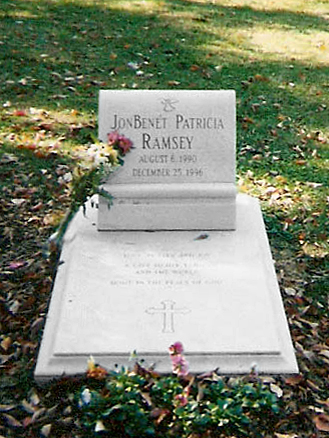
Six‑year‑old JonBenét Patricia Ramsey was born on August 6, 1990, in Atlanta, Georgia.

She was the youngest child of John Bennett Ramsey, a successful businessman, and Patsy Ramsey, a former beauty queen.

Her older brother, Burke Ramsey, was nine years old at the time of her death.

The family moved to Boulder, Colorado, a scenic town at the foothills of the Rocky Mountains, where JonBenét lived in a suburban neighborhood.

The girl was known for her striking appearance, charisma, and involvement in child beauty pageants, which brought both local attention and national scrutiny.

On the night of December 25, 1996, JonBenét attended a Christmas dinner with family friends and returned home to her parents’ house.

According to reports, she went to bed later that night as the family celebrated the holiday.

The following morning, at approximately 5:52 a.m. on December 26, Patsy Ramsey called the Boulder Police Department to report her daughter missing.

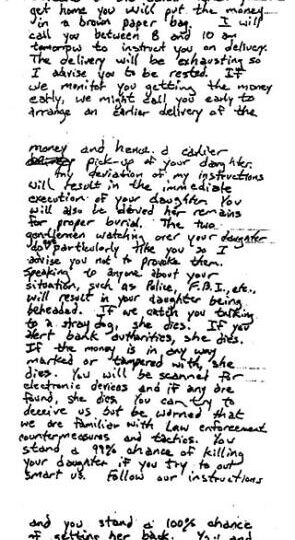
During an initial search of the home, investigators discovered a three‑page handwritten ransom note on the staircase, demanding $118,000 for JonBenét’s safe return. T

he note was unusually lengthy, detailed, and oddly specific, containing instructions that suggested intimate knowledge of the Ramsey household.

As officers and detectives conducted a thorough search of the home, suspicion initially focused on a potential kidnapping.

However, later that afternoon, John Ramsey discovered JonBenét’s body in the basement, wrapped in a blanket.

The shocking discovery transformed the investigation from a missing child case into a homicide inquiry.

An autopsy performed in July 1997 revealed horrifying details about her death. JonBenét had been strangled with a ligature — a garrote fashioned from nylon cord and the broken handle of a paintbrush.

She had also suffered a severe blow to the head, fracturing her skull.

In addition, examiners documented bruising, binding marks on her wrists, and indications of sexual assault, though the findings were complicated and subject to varying interpretations.

The official cause of death was listed as “asphyxia by strangulation associated with craniocerebral trauma,” and her death was ruled a homicide.

From the very beginning, the case was plagued by investigative missteps that likely compromised critical evidence.

Early on, family members were allowed to move freely throughout the house, the father removed JonBenét’s body from the basement, and portions of the scene were not properly secured.

These errors, combined with the presence of media in the area, created an environment in which rumor and speculation could flourish.

As the story captured national attention, the media frenzy intensified.
Tabloid newspapers, cable news channels, and later documentaries turned the investigation into a spectacle.

Every detail — from JonBenét’s pageant participation to the mysterious ransom note — was dissected, debated, and often sensationalized.

The narrative was frequently dominated by conjecture, overshadowing the methodical work of law enforcement.

In 1999, a grand jury reviewed the evidence in the case.

The jury reportedly recommended indicting John and Patsy Ramsey on charges including child abuse resulting in death and being accessories to a crime.

However, prosecutors ultimately declined to pursue charges due to insufficient evidence.

This decision fueled public suspicion, and over the years, the family remained at the center of both scrutiny and conspiracy theories.

Investigators followed more than 1,600 leads, interviewing over a thousand people across multiple states.

By 2021, the Boulder Police Department had processed more than 21,000 tips, letters, and emails, submitted nearly 1,000 DNA samples for testing, and yet no definitive suspect had emerged.

Advances in forensic science, particularly DNA profiling and genetic genealogy, have provided new opportunities for investigation, but no one has ever been formally charged or convicted.

In 2006, a man named John Mark Karr confessed to JonBenét’s murder while living in Thailand.

He was promptly arrested and charged with murder, kidnapping, and sexual assault.

However, DNA testing conclusively demonstrated that he had no connection to the crime, and he was released, further fueling the public’s sense of frustration and confusion.

The JonBenét Ramsey case remains unsolved, despite decades of effort, new technologies, and public attention.

Beyond the forensic and investigative challenges, the case has become a cultural touchstone — emblematic of the dangers of media sensationalism, the vulnerability of child victims, and the human fascination with mystery and tragedy.

Every new documentary, podcast, or book about the case reignites national interest, reminding the public that the pain, questions, and absence of answers persist.

Beneath the headlines and public fascination lies the core human tragedy: a little girl whose life was cruelly cut short, a family whose world was irrevocably altered, and a community forced to navigate grief, suspicion, and scrutiny.

JonBenét’s story is not just a cold criminal investigation; it is a reflection of collective empathy, morality, and the complexities of justice in a modern, media-driven society.
Decades later, JonBenét Ramsey’s memory endures not only because of the mystery surrounding her death but because her story challenges society to consider the fragility of innocence, the responsibilities of justice, and the ethical boundaries of curiosity.

Her case continues to test the balance between truth-seeking and sensationalism, reminding the world that even amid relentless speculation, the human heart remains capable of profound empathy, sorrow, and reflection.

For nearly thirty years, the name JonBenét Ramsey has haunted the American conscience — a heartbreaking symbol of innocence lost and a tragedy that grew far larger than the little girl at its center.

JonBenét’s death was not merely a criminal case; it became a national obsession, a cautionary tale about media sensationalism, investigative missteps, and the enduring search for truth in the face of unspeakable tragedy.

Six‑year‑old JonBenét Patricia Ramsey was born on August 6, 1990, in Atlanta, Georgia.

She was the youngest child of John Bennett Ramsey, a successful businessman, and Patsy Ramsey, a former beauty queen.

Her older brother, Burke Ramsey, was nine years old at the time of her death.

The family moved to Boulder, Colorado, a scenic town at the foothills of the Rocky Mountains, where JonBenét lived in a suburban neighborhood.

The girl was known for her striking appearance, charisma, and involvement in child beauty pageants, which brought both local attention and national scrutiny.

On the night of December 25, 1996, JonBenét attended a Christmas dinner with family friends and returned home to her parents’ house.

According to reports, she went to bed later that night as the family celebrated the holiday.

The following morning, at approximately 5:52 a.m. on December 26, Patsy Ramsey called the Boulder Police Department to report her daughter missing.

During an initial search of the home, investigators discovered a three‑page handwritten ransom note on the staircase, demanding $118,000 for JonBenét’s safe return. T

he note was unusually lengthy, detailed, and oddly specific, containing instructions that suggested intimate knowledge of the Ramsey household.

As officers and detectives conducted a thorough search of the home, suspicion initially focused on a potential kidnapping.

However, later that afternoon, John Ramsey discovered JonBenét’s body in the basement, wrapped in a blanket.

The shocking discovery transformed the investigation from a missing child case into a homicide inquiry.

An autopsy performed in July 1997 revealed horrifying details about her death. JonBenét had been strangled with a ligature — a garrote fashioned from nylon cord and the broken handle of a paintbrush.

She had also suffered a severe blow to the head, fracturing her skull.

In addition, examiners documented bruising, binding marks on her wrists, and indications of sexual assault, though the findings were complicated and subject to varying interpretations.

The official cause of death was listed as “asphyxia by strangulation associated with craniocerebral trauma,” and her death was ruled a homicide.

From the very beginning, the case was plagued by investigative missteps that likely compromised critical evidence.

Early on, family members were allowed to move freely throughout the house, the father removed JonBenét’s body from the basement, and portions of the scene were not properly secured.

These errors, combined with the presence of media in the area, created an environment in which rumor and speculation could flourish.

As the story captured national attention, the media frenzy intensified.

Tabloid newspapers, cable news channels, and later documentaries turned the investigation into a spectacle.

Every detail — from JonBenét’s pageant participation to the mysterious ransom note — was dissected, debated, and often sensationalized.

The narrative was frequently dominated by conjecture, overshadowing the methodical work of law enforcement.

In 1999, a grand jury reviewed the evidence in the case.

The jury reportedly recommended indicting John and Patsy Ramsey on charges including child abuse resulting in death and being accessories to a crime.

However, prosecutors ultimately declined to pursue charges due to insufficient evidence.

This decision fueled public suspicion, and over the years, the family remained at the center of both scrutiny and conspiracy theories.

Investigators followed more than 1,600 leads, interviewing over a thousand people across multiple states.

By 2021, the Boulder Police Department had processed more than 21,000 tips, letters, and emails, submitted nearly 1,000 DNA samples for testing, and yet no definitive suspect had emerged.

Advances in forensic science, particularly DNA profiling and genetic genealogy, have provided new opportunities for investigation, but no one has ever been formally charged or convicted.

In 2006, a man named John Mark Karr confessed to JonBenét’s murder while living in Thailand.

He was promptly arrested and charged with murder, kidnapping, and sexual assault.

However, DNA testing conclusively demonstrated that he had no connection to the crime, and he was released, further fueling the public’s sense of frustration and confusion.

The JonBenét Ramsey case remains unsolved, despite decades of effort, new technologies, and public attention.

Beyond the forensic and investigative challenges, the case has become a cultural touchstone — emblematic of the dangers of media sensationalism, the vulnerability of child victims, and the human fascination with mystery and tragedy.

Every new documentary, podcast, or book about the case reignites national interest, reminding the public that the pain, questions, and absence of answers persist.

Beneath the headlines and public fascination lies the core human tragedy: a little girl whose life was cruelly cut short, a family whose world was irrevocably altered, and a community forced to navigate grief, suspicion, and scrutiny.

JonBenét’s story is not just a cold criminal investigation; it is a reflection of collective empathy, morality, and the complexities of justice in a modern, media-driven society.

Decades later, JonBenét Ramsey’s memory endures not only because of the mystery surrounding her death but because her story challenges society to consider the fragility of innocence, the responsibilities of justice, and the ethical boundaries of curiosity.

Her case continues to test the balance between truth-seeking and sensationalism, reminding the world that even amid relentless speculation, the human heart remains capable of profound empathy, sorrow, and reflection.