...

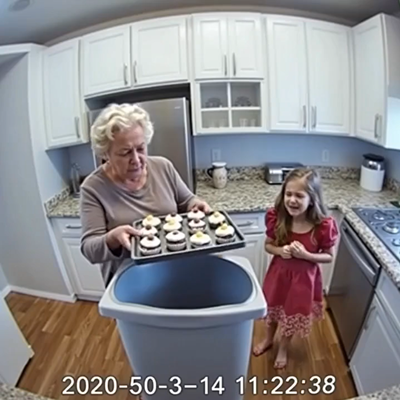
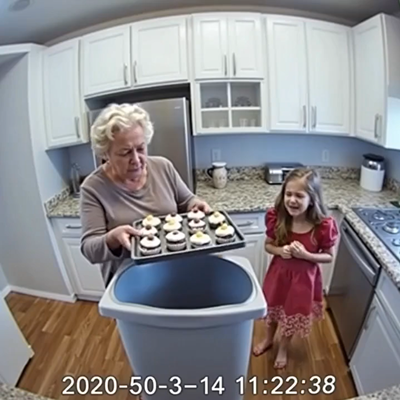
After my 8-year-old spent five hours baking cupcakes for the family, my mother tossed them without a thought.

The evening air wrapped around us like a soft, comforting blanket as Chloe and I stepped outside, leaving behind the muffled clatter of silverware and the stunned silence still hanging in the dining room like an unfinished sentence.

Even after the door closed behind us, the weight of judgment remained—a heat on my back that refused to fade, a shadow that followed us down the steps.

The cool night breeze brushed against my cheeks, as though the world itself was trying to soothe me.

It carried the faint scent of pine and distant rain, mingling with the swirl of emotions that had been rising inside me all evening—sadness, relief, clarity, and something that resembled courage.

It felt as if the universe had exhaled… and finally, I could breathe again too.

I reached for Chloe’s hand, feeling the tiny tremor hidden in her fingers. Her palm was warm, soft, and so small within mine.

She squeezed back, trying to be strong, trying to understand what she had done wrong in a world that often expects far too much from children.
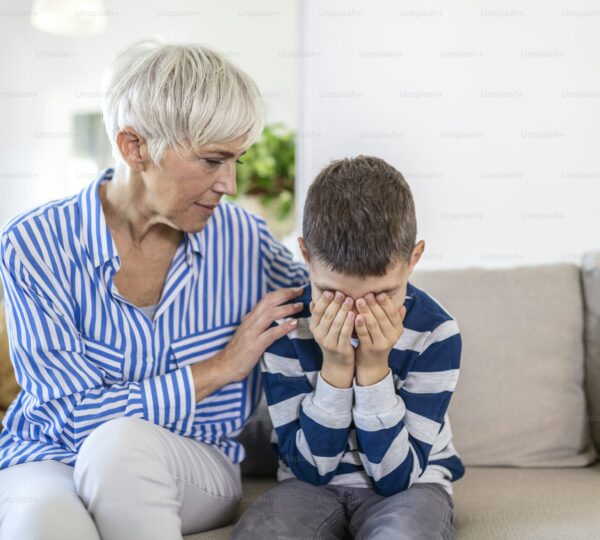
She looked up at me, her usually bright eyes now shadowed with worry.

“Mom… did I do something wrong?” she whispered.

The fragility of her question pierced straight through me.

I stopped immediately and knelt before her, pulling her into the soft golden glow of the porch lamp. A strand of hair brushed across her forehead, and I tucked it away gently—the same tender, familiar motion from her baby years.

“Oh, sweetheart,” I murmured, my voice aching with love and certainty, “you did everything right.”

I cupped her cheeks, forcing her to meet my eyes.

“Those cupcakes were perfect because you made them—with your own hands, with heart, with love, with effort. That kind of effort is brave.

Trying is brave. And courage doesn’t always look perfect, but it is always beautiful.”

Her eyes shimmered with tears, but behind them, I saw something stronger than sadness—a spark, a resilient glow. Children often carry a quiet bravery adults forget how to hold.

Slowly, a small, determined smile appeared. And in that moment, I knew she would recover from this. I knew she would rise.

We continued walking toward the car, our footsteps echoing on the pavement. Each step carried me farther away from years of silent compromise.

With every breath, something heavy lifted from my shoulders—years of expectations I had never agreed to, judgments I had never deserved, and roles I had never truly wanted to play.

There was sadness, yes. A deep ache for the family that had shaped my life. But mixed within that ache was something new, something powerful:

Freedom.

A realization, gentle but undeniable, took hold of me.
The expectations others impose on us—spoken or unspoken—can become cages. Some cages are obvious, with bars built of harsh words and blatant criticism.

Others are subtle, made of quiet disapproval and impossible standards. But cages all the same.

Tonight, standing up for my daughter, choosing her heart over their harshness, I felt those cages fall apart.

Inside the car, I glanced at the passenger seat. Chloe was holding the cupcake tray—the same tray I had rescued from the trash, refusing to let her small masterpiece be thrown away as if it were worthless.

She held it close, protecting it, even though the frosting was smudged and a few cupcakes leaned against each other.

To anyone else, it was a messy dessert.

To me, it was a symbol—of her effort, her pride, her innocence, and the moment she discovered that love mattered more than perfection.

As I backed out of the driveway, the city lights shimmered like fading stars. Chloe sighed softly, then began humming a lullaby I had sung to her as a baby.

Her gentle voice filled the silence, warm and sweet and full of hope. It wrapped around my heart and reminded me of all the reasons I needed to choose a different path for both of us.

After a moment, she looked up at me.

“Where are we going, Mom?”

I smiled, feeling something bright and determined bloom inside me—a sense of new beginnings, of taking control of our story.
“How about we have our own little dinner party at home?” I said. “Just you and me. We’ll bake more cupcakes. And maybe… even have ice cream.”

Her face lit up instantly, the earlier pain melting away like frost in morning sunlight.

“Can we make chocolate ones this time?” she asked eagerly.

“Of course,” I said with a grin. “We can make as many as you want. And we’ll make them the best cupcakes ever—because we’ll make them together.”

As we drove through the quiet streets, with the glow of streetlights guiding our way, I realized that this night wasn’t just a moment—it was a turning point. A shift. A promise.

I felt the weight of expectations—the pressure to stay silent, to keep the peace, to pretend everything was fine—fall away. For the first time in years, I understood something clearly:

My job was not to please others.
My job was not to keep the peace at the cost of my child’s self-worth.
My job was to protect her.
To nurture her.
To lift her up.
To help her grow into someone who trusts her own worth.

A home, I realized, should be more than a place to sleep.
It should be a sanctuary.
A place where dreams take shape, where mistakes become lessons, where love is louder than criticism.

And Chloe deserved that.
I deserved that too.

As the tires hummed softly against the road, I made a silent vow—a vow that carried the weight of every moment I had stayed quiet when I should have spoken up.

I would teach Chloe that imperfection is not failure. That trying is enough.

That her value does not depend on anyone’s approval. That her heart, her kindness, her effort… are her greatest strengths.
And I would show her—every day—that love is not conditional.

So as we continued driving through the night, with the promise of chocolate cupcakes waiting for us at home, I held her hand and embraced the truth settling warmly inside me:

We were stepping into a new life. One filled with freedom, kindness, and second chances.

One imperfectly perfect cupcake at a time.

The evening air wrapped around us like a soft, comforting blanket as Chloe and I stepped outside, leaving behind the muffled clatter of silverware and the stunned silence still hanging in the dining room like an unfinished sentence.

Even after the door closed behind us, the weight of judgment remained—a heat on my back that refused to fade, a shadow that followed us down the steps.

The cool night breeze brushed against my cheeks, as though the world itself was trying to soothe me.

It carried the faint scent of pine and distant rain, mingling with the swirl of emotions that had been rising inside me all evening—sadness, relief, clarity, and something that resembled courage.

It felt as if the universe had exhaled… and finally, I could breathe again too.

I reached for Chloe’s hand, feeling the tiny tremor hidden in her fingers. Her palm was warm, soft, and so small within mine.

She squeezed back, trying to be strong, trying to understand what she had done wrong in a world that often expects far too much from children.

She looked up at me, her usually bright eyes now shadowed with worry.

“Mom… did I do something wrong?” she whispered.

The fragility of her question pierced straight through me.

I stopped immediately and knelt before her, pulling her into the soft golden glow of the porch lamp. A strand of hair brushed across her forehead, and I tucked it away gently—the same tender, familiar motion from her baby years.

“Oh, sweetheart,” I murmured, my voice aching with love and certainty, “you did everything right.”

I cupped her cheeks, forcing her to meet my eyes.

“Those cupcakes were perfect because you made them—with your own hands, with heart, with love, with effort. That kind of effort is brave.

Trying is brave. And courage doesn’t always look perfect, but it is always beautiful.”

Her eyes shimmered with tears, but behind them, I saw something stronger than sadness—a spark, a resilient glow. Children often carry a quiet bravery adults forget how to hold.

Slowly, a small, determined smile appeared. And in that moment, I knew she would recover from this. I knew she would rise.

We continued walking toward the car, our footsteps echoing on the pavement. Each step carried me farther away from years of silent compromise.

With every breath, something heavy lifted from my shoulders—years of expectations I had never agreed to, judgments I had never deserved, and roles I had never truly wanted to play.

There was sadness, yes. A deep ache for the family that had shaped my life. But mixed within that ache was something new, something powerful:

Freedom.

A realization, gentle but undeniable, took hold of me.

The expectations others impose on us—spoken or unspoken—can become cages. Some cages are obvious, with bars built of harsh words and blatant criticism.

Others are subtle, made of quiet disapproval and impossible standards. But cages all the same.

Tonight, standing up for my daughter, choosing her heart over their harshness, I felt those cages fall apart.

Inside the car, I glanced at the passenger seat. Chloe was holding the cupcake tray—the same tray I had rescued from the trash, refusing to let her small masterpiece be thrown away as if it were worthless.

She held it close, protecting it, even though the frosting was smudged and a few cupcakes leaned against each other.

To anyone else, it was a messy dessert.

To me, it was a symbol—of her effort, her pride, her innocence, and the moment she discovered that love mattered more than perfection.

As I backed out of the driveway, the city lights shimmered like fading stars. Chloe sighed softly, then began humming a lullaby I had sung to her as a baby.

Her gentle voice filled the silence, warm and sweet and full of hope. It wrapped around my heart and reminded me of all the reasons I needed to choose a different path for both of us.

After a moment, she looked up at me.

“Where are we going, Mom?”

I smiled, feeling something bright and determined bloom inside me—a sense of new beginnings, of taking control of our story.

“How about we have our own little dinner party at home?” I said. “Just you and me. We’ll bake more cupcakes. And maybe… even have ice cream.”

Her face lit up instantly, the earlier pain melting away like frost in morning sunlight.

“Can we make chocolate ones this time?” she asked eagerly.

“Of course,” I said with a grin. “We can make as many as you want. And we’ll make them the best cupcakes ever—because we’ll make them together.”

As we drove through the quiet streets, with the glow of streetlights guiding our way, I realized that this night wasn’t just a moment—it was a turning point. A shift. A promise.

I felt the weight of expectations—the pressure to stay silent, to keep the peace, to pretend everything was fine—fall away. For the first time in years, I understood something clearly:

My job was not to please others.
My job was not to keep the peace at the cost of my child’s self-worth.
My job was to protect her.
To nurture her.
To lift her up.
To help her grow into someone who trusts her own worth.

A home, I realized, should be more than a place to sleep.
It should be a sanctuary.
A place where dreams take shape, where mistakes become lessons, where love is louder than criticism.

And Chloe deserved that.
I deserved that too.

As the tires hummed softly against the road, I made a silent vow—a vow that carried the weight of every moment I had stayed quiet when I should have spoken up.

I would teach Chloe that imperfection is not failure. That trying is enough.

That her value does not depend on anyone’s approval. That her heart, her kindness, her effort… are her greatest strengths.

And I would show her—every day—that love is not conditional.

So as we continued driving through the night, with the promise of chocolate cupcakes waiting for us at home, I held her hand and embraced the truth settling warmly inside me:

We were stepping into a new life. One filled with freedom, kindness, and second chances.

One imperfectly perfect cupcake at a time.