...

Their Mom Abandoned Us When They Were Just Babies — Nearly Two Decades Later, My Twin Sons’ Mother Returned Asking for Something I Never Expected

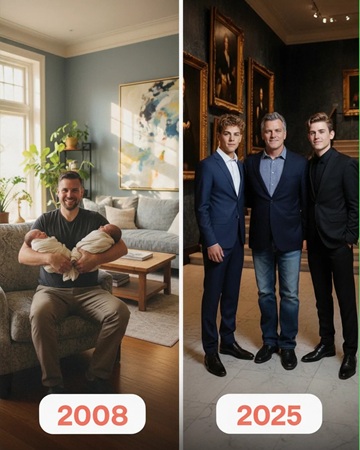
Seventeen years after my wife Vanessa walked out of our home—leaving behind her wedding ring, her promises, and our newborn twin sons—she returned without warning.

It happened on a quiet morning, just minutes before Logan and Luke were supposed to leave for their high school graduation.

One moment, our house was filled with excitement, nervous laughter, and last-minute preparations; the next, everything stopped the moment I opened the front door and saw her standing there.

Her sudden return shattered the calm I had spent nearly two decades building. Vanessa and I had once been two young dreamers, newly married and hopeful about our future.

When we found out we were expecting twins, we believed our lives were about to become even brighter.

But parenthood didn’t come to Vanessa naturally. Instead of bonding with the boys, she began pulling away—quietly at first, and then so noticeably that even our newborns sensed the tension in the air.
The night she left, the boys were barely six weeks old. I woke up to two babies crying in their crib and a silence in the house that felt unnatural, almost frightening. Her closet was empty.

Her phone was gone. The car was missing. There was no note, no explanation, not even a hurried scribble on the kitchen counter.

Later, through fragmented information, I found out she had moved out of state with someone who promised her a life without responsibilities—a life far from the exhaustion and sacrifice that came with raising two infants.

From that moment forward, I became both father and mother. Those early years tested every part of me.

I learned how to warm bottles while half asleep, how to fold laundry with one hand while holding a crying baby in the other, how to read bedtime stories even when my voice was hoarse from working double shifts.

My mother moved in for a while to help, neighbors dropped off casseroles, and our small town—quiet as it was—wrapped us in support.

Slowly, our home found a rhythm. Logan and Luke grew into curious toddlers with matching grins, then energetic boys who filled our kitchen with laughter and our backyard with endless games.
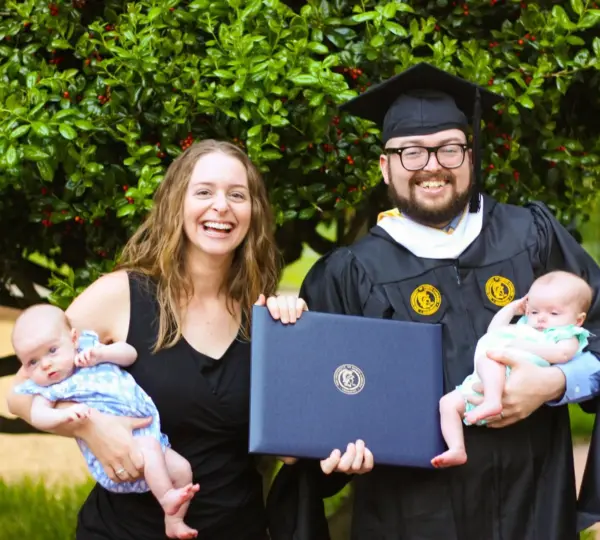
Every milestone reminded me that even though our family didn’t look like the one I once imagined, we were building something strong—something real—out of love, routine, and resilience.

As they grew older, the boys began to ask about their mother. I never lied. I told them she struggled, that she hadn’t been ready for parenthood, but that her absence had nothing to do with them.

I made sure they knew they were loved, cherished, and wanted every single day. And despite the challenges, Logan and Luke became incredible young men—respectful, kind, ambitious, and grounded.

On the morning of their graduation, they stood in the living room adjusting their ties, teasing each other, and practicing their speeches. I felt so proud I could hardly speak.

Then came the knock.

When I opened the door, Vanessa stood on my porch—a ghost from another life. She was older, thinner, and carrying an exhaustion that didn’t come from motherhood but from years of running.

Her voice trembled as she told me she wanted to see the boys, that she hoped they could welcome her back into their lives. But as she spoke, it became painfully clear that she had returned because she had nowhere else to go.

Her relationship had ended, her finances were gone, and she was seeking stability—something she had once walked away from without hesitation.

The boys came to the door. They listened quietly, respectfully, but firmly. They didn’t lash out or speak with anger.

Instead, they spoke with the honesty of two young men who had grown up without her presence, her guidance, or her love.

“Mom… we don’t know you,” Logan said gently.

“You left when we needed you the most,” Luke added. “We’re sorry for whatever you’ve been through, but we can’t pretend we have a relationship that isn’t there.”

Their calm, steady voices revealed a maturity that filled me with an overwhelming sense of pride. They weren’t being cruel. They were simply acknowledging the truth.

Vanessa cried. She apologized. She asked again if she could stay with us “for a while.” But I knew—with absolute clarity—that letting her back into our home would only reopen old wounds.

I offered to help her find resources, a shelter, or temporary housing. I offered to pay for a hotel for a few nights.

But I gently, firmly told her she could not move back into our home or into the boys’ lives overnight simply because life had become difficult for her.

Eventually, she nodded, wiped her eyes, and walked away quietly—just as she had seventeen years earlier, only this time with the weight of her choices settling onto her shoulders instead of running from them.

When the door closed, we all took a moment to breathe. It was a strange silence, heavy but peaceful. Then Logan straightened his tie, Luke grabbed his cap, and they both looked at me with warm smiles.

“Dad,” Luke said, “we’re going to be late if we don’t leave now.”

So we walked out the door together—still a family of three, just as we had been from the beginning. And as the sun rose over Ridgefield, Kentucky, I realized something profound:

Family isn’t defined by who stays in your life when it’s easy.
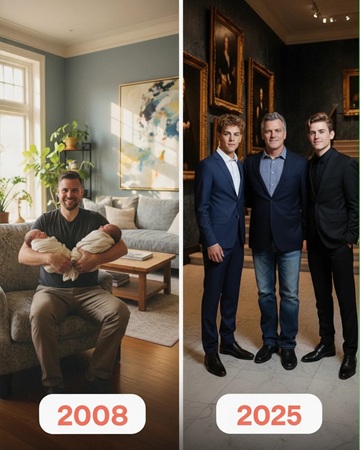
Family is defined by who remains when it’s hard—when the nights are long, the responsibilities heavy, and the future uncertain.

And in the end, that’s exactly what we were:

A family built not by perfect circumstances, but by love, resilience, consistency, and the quiet heroism of simply showing up every single day.

Seventeen years after my wife Vanessa walked out of our home—leaving behind her wedding ring, her promises, and our newborn twin sons—she returned without warning.

It happened on a quiet morning, just minutes before Logan and Luke were supposed to leave for their high school graduation.

One moment, our house was filled with excitement, nervous laughter, and last-minute preparations; the next, everything stopped the moment I opened the front door and saw her standing there.

Her sudden return shattered the calm I had spent nearly two decades building. Vanessa and I had once been two young dreamers, newly married and hopeful about our future.

When we found out we were expecting twins, we believed our lives were about to become even brighter.

But parenthood didn’t come to Vanessa naturally. Instead of bonding with the boys, she began pulling away—quietly at first, and then so noticeably that even our newborns sensed the tension in the air.

The night she left, the boys were barely six weeks old. I woke up to two babies crying in their crib and a silence in the house that felt unnatural, almost frightening. Her closet was empty.

Her phone was gone. The car was missing. There was no note, no explanation, not even a hurried scribble on the kitchen counter.

Later, through fragmented information, I found out she had moved out of state with someone who promised her a life without responsibilities—a life far from the exhaustion and sacrifice that came with raising two infants.

From that moment forward, I became both father and mother. Those early years tested every part of me.

I learned how to warm bottles while half asleep, how to fold laundry with one hand while holding a crying baby in the other, how to read bedtime stories even when my voice was hoarse from working double shifts.

My mother moved in for a while to help, neighbors dropped off casseroles, and our small town—quiet as it was—wrapped us in support.

Slowly, our home found a rhythm. Logan and Luke grew into curious toddlers with matching grins, then energetic boys who filled our kitchen with laughter and our backyard with endless games.

Every milestone reminded me that even though our family didn’t look like the one I once imagined, we were building something strong—something real—out of love, routine, and resilience.

As they grew older, the boys began to ask about their mother. I never lied. I told them she struggled, that she hadn’t been ready for parenthood, but that her absence had nothing to do with them.

I made sure they knew they were loved, cherished, and wanted every single day. And despite the challenges, Logan and Luke became incredible young men—respectful, kind, ambitious, and grounded.

On the morning of their graduation, they stood in the living room adjusting their ties, teasing each other, and practicing their speeches. I felt so proud I could hardly speak.

Then came the knock.

When I opened the door, Vanessa stood on my porch—a ghost from another life. She was older, thinner, and carrying an exhaustion that didn’t come from motherhood but from years of running.

Her voice trembled as she told me she wanted to see the boys, that she hoped they could welcome her back into their lives. But as she spoke, it became painfully clear that she had returned because she had nowhere else to go.

Her relationship had ended, her finances were gone, and she was seeking stability—something she had once walked away from without hesitation.

The boys came to the door. They listened quietly, respectfully, but firmly. They didn’t lash out or speak with anger.

Instead, they spoke with the honesty of two young men who had grown up without her presence, her guidance, or her love.

“Mom… we don’t know you,” Logan said gently.

“You left when we needed you the most,” Luke added. “We’re sorry for whatever you’ve been through, but we can’t pretend we have a relationship that isn’t there.”

Their calm, steady voices revealed a maturity that filled me with an overwhelming sense of pride. They weren’t being cruel. They were simply acknowledging the truth.

Vanessa cried. She apologized. She asked again if she could stay with us “for a while.” But I knew—with absolute clarity—that letting her back into our home would only reopen old wounds.

I offered to help her find resources, a shelter, or temporary housing. I offered to pay for a hotel for a few nights.

But I gently, firmly told her she could not move back into our home or into the boys’ lives overnight simply because life had become difficult for her.

Eventually, she nodded, wiped her eyes, and walked away quietly—just as she had seventeen years earlier, only this time with the weight of her choices settling onto her shoulders instead of running from them.

When the door closed, we all took a moment to breathe. It was a strange silence, heavy but peaceful. Then Logan straightened his tie, Luke grabbed his cap, and they both looked at me with warm smiles.

“Dad,” Luke said, “we’re going to be late if we don’t leave now.”

So we walked out the door together—still a family of three, just as we had been from the beginning. And as the sun rose over Ridgefield, Kentucky, I realized something profound:

Family isn’t defined by who stays in your life when it’s easy.

Family is defined by who remains when it’s hard—when the nights are long, the responsibilities heavy, and the future uncertain.

And in the end, that’s exactly what we were:

A family built not by perfect circumstances, but by love, resilience, consistency, and the quiet heroism of simply showing up every single day.