...

“Is Princess Diana Still Alive? The Revelation No One Saw Coming”

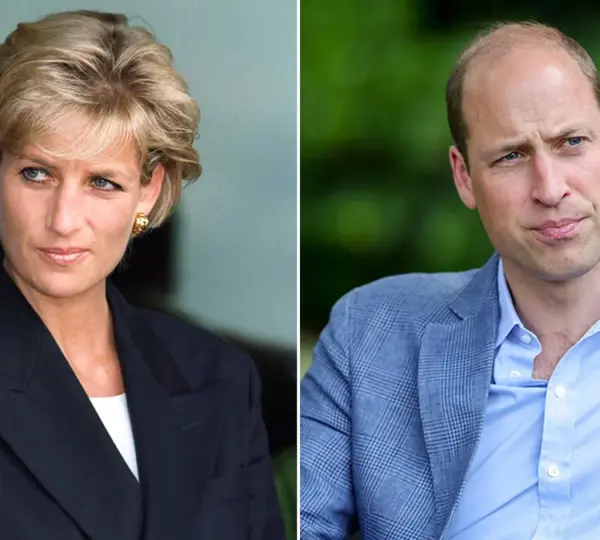
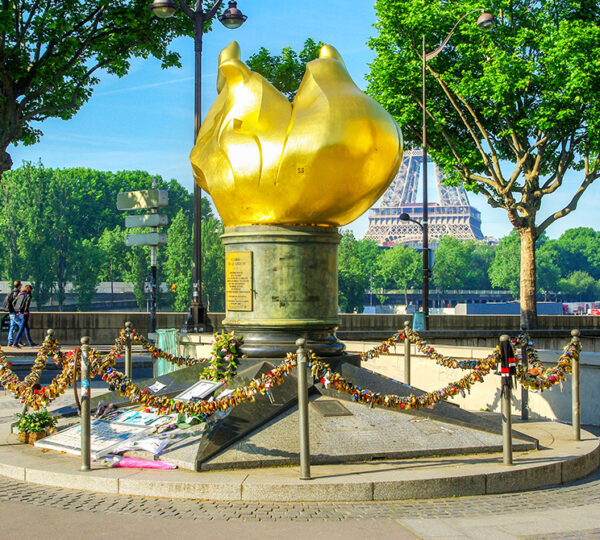
For nearly thirty years, the world has lived with a heartbreaking certainty: that Princess Diana, the beloved “People’s Princess,” tragically lost her life inside the Pont de l’Alma tunnel in Paris on August 31, 1997.

It was a moment that seemed impossible to comprehend. News outlets across the globe broke the story with shock and disbelief, and millions of people found themselves united in grief as the details slowly emerged.

The images that followed became part of modern history: candlelit vigils stretching across streets, oceans of flowers left outside Kensington Palace, handwritten letters from children who had never met her yet felt they knew her, and the solemn procession that marked one of the most watched funerals of all time.

To countless people, it felt as though the light of an entire era had been extinguished in an instant.

Yet even as the world mourned her loss and accepted the official explanations, questions lingered beneath the surface.
Conversations whispered late at night, documentaries probing the details, online discussions analyzing every frame of available footage — all contributed to a persistent sense that the story might not be as simple as it seemed.

Nearly three decades later, these whispers have grown into one of the most debated modern mysteries: What if the official narrative did not reveal everything?

What if, against all expectations, the tragic night in Paris did not mark the true end of Princess Diana’s life?

A Theory That Refuses to Fade

For many years, the idea that Princess Diana might still be alive has lived on the margins of public discussion.

It was often dismissed as speculation born from grief — a hope that a beloved icon could somehow have escaped the fate that shocked the world.

But unlike many theories that disappear with time, this one persisted. Instead of fading away, it evolved.

New interpretations of old details appeared, people came forward with stories or impressions, and certain inconsistencies in the public timeline attracted renewed attention.

Those who have explored these discussions often point to unresolved questions such as:

• Missing CCTV recordings near the tunnel

Several cameras in the area were reportedly not functioning or did not capture usable footage. To some, this absence feels like a gap in the timeline.
To others, it is simply a coincidence — a technical failure with no deeper meaning. Still, the missing footage remains one of the most commonly cited points in the ongoing debate.

• Delays in emergency response

Some witnesses later claimed that the response appeared slower than expected for an accident of such scale.

Medical experts note that emergency protocols differ across countries and that every situation involves unique challenges, but critics feel the timeline deserves closer examination.

• Conflicting statements over the years

From early witness reports to later official summaries, certain details have been described differently depending on the source. Although common in large investigations, these variations have fueled public curiosity.

• Classified documents not yet accessible to the public

Some records remain sealed under standard government protocols. Experts explain that sensitive documents are routinely restricted to protect privacy or national interests.

But to those seeking answers, these sealed files symbolize an incomplete story.

None of these aspects — individually or together — provide definitive answers. Yet for people who question the official narrative, they form fragments of a larger puzzle that has never been fully assembled.

The Pressure Diana Faced Before the Accident

To understand why these theories persist, one must look at the final years of Diana’s life. Many people who were close to her have spoken about the emotional strain she endured under constant media attention.

She was one of the most photographed and discussed individuals in the world. Her daily routine unfolded under the bright, relentless glare of cameras, headlines, and public fascination.

Friends described moments when she felt overwhelmed, moments when she wished for solitude, and moments when she feared that she was being watched more closely than ever.

Diana herself spoke openly about wanting privacy, peace, and the ability to make choices outside the constraints of royal expectations.

Some of those who knew her recalled conversations where Diana expressed a desire for a simpler, quieter life — a life in which she could raise her sons without the pressure of global attention.

These conversations, revisited years later, have become part of the foundation for interpretation and speculation.

The Possibility of a Planned Disappearance

Among the many theories that circulate, one idea stands out: the possibility that Diana may have thought about stepping away from public life entirely. Supporters of this theory imagine a scenario in which she sought a fresh start, far from the palace walls and international headlines.

They point to reported “sightings” — unverified and often vague — of a woman who resembled Diana in various parts of the world.

Some claims place her in remote European countryside, others in distant islands where anonymity is easier to maintain.

In a few accounts, the woman is described as being accompanied by discreet security personnel who avoid conversation or identification.

No credible evidence has ever supported these stories, but their persistence reveals how strongly people feel about the possibility of such an escape.

For many, the idea of Diana finding peace somewhere — living quietly, safely, and freely — is more comforting than the tragic alternative.
The Investigation and Its Shadows

The crash that took Diana’s life was investigated by multiple agencies: French authorities, British officials, medical specialists, and independent observers.

Reports were drafted, evidence reviewed, and official conclusions were eventually delivered.

Still, some elements of the case have never been fully explained to public satisfaction. A few individuals involved in the investigation later hinted that the situation was more complicated than the simplified narratives presented in the media.

Their comments — sometimes cryptic, sometimes cautious — have added layers of intrigue.

Experts emphasize that high-profile investigations often involve sensitive details that cannot be immediately released. Protocols exist to protect privacy, national security, and unrelated individuals.

Nevertheless, the existence of sealed documents has created room for speculation to grow.

Hope, Grief, and the Human Heart

Skeptics argue that such theories say more about the public’s emotional connection to Diana than they do about historical facts. To millions, Princess Diana was a symbol of compassion, authenticity, and vulnerability.

Her struggles resonated deeply. Her kindness touched countless lives. Losing her so suddenly — in a moment that felt so senseless — created a collective wound.

For many, the theories are not attempts to rewrite history but expressions of unresolved grief, a way to hold onto someone they admired deeply.

Yet others believe that the persistence of these theories shows that certain questions feel too important to ignore.

A Legacy That Never Faded

What cannot be debated is the magnitude of Diana’s legacy. Her humanitarian work reshaped public attitudes toward HIV/AIDS, land mines, homelessness, and mental health.

Her warmth and sincerity changed the way the world viewed modern royalty.

Her sons, Prince William and Prince Harry, continue to honor her through charitable work, public service, and personal tributes. Her influence is visible in their decisions, their advocacy, and the ways they connect with the world.

Foundations inspired by her compassion continue to support causes she cared deeply about. Documentaries, books, and educational programs revisit her life with reverence and respect.

Through these efforts, she remains present — not physically, but in memory, in action, and in inspiration.

The Question That Still Captivates the World

Almost thirty years later, one question continues to linger:

Was the night in Paris truly the end of Princess Diana’s story? Or does her legacy contain chapters the world has yet to understand?

The mystery endures not because facts are missing, but because the world never stopped caring.

The fascination persists because she touched hearts in a way that transcends time.

And perhaps the unwavering interest — the documentaries, the theories, the discussions — is proof in itself that Princess Diana never truly disappeared.

Her presence continues to shine through memories, stories, and the impact she left behind.

Whether the rumors hold truth or are simply reflections of enduring love, one thing remains certain:

Princess Diana changed the world — and the world has never forgotten her.

For nearly thirty years, the world has lived with a heartbreaking certainty: that Princess Diana, the beloved “People’s Princess,” tragically lost her life inside the Pont de l’Alma tunnel in Paris on August 31, 1997.

It was a moment that seemed impossible to comprehend. News outlets across the globe broke the story with shock and disbelief, and millions of people found themselves united in grief as the details slowly emerged.

The images that followed became part of modern history: candlelit vigils stretching across streets, oceans of flowers left outside Kensington Palace, handwritten letters from children who had never met her yet felt they knew her, and the solemn procession that marked one of the most watched funerals of all time.

To countless people, it felt as though the light of an entire era had been extinguished in an instant.

Yet even as the world mourned her loss and accepted the official explanations, questions lingered beneath the surface.

Conversations whispered late at night, documentaries probing the details, online discussions analyzing every frame of available footage — all contributed to a persistent sense that the story might not be as simple as it seemed.

Nearly three decades later, these whispers have grown into one of the most debated modern mysteries: What if the official narrative did not reveal everything?

What if, against all expectations, the tragic night in Paris did not mark the true end of Princess Diana’s life?

A Theory That Refuses to Fade

For many years, the idea that Princess Diana might still be alive has lived on the margins of public discussion.

It was often dismissed as speculation born from grief — a hope that a beloved icon could somehow have escaped the fate that shocked the world.

But unlike many theories that disappear with time, this one persisted. Instead of fading away, it evolved.

New interpretations of old details appeared, people came forward with stories or impressions, and certain inconsistencies in the public timeline attracted renewed attention.

Those who have explored these discussions often point to unresolved questions such as:

• Missing CCTV recordings near the tunnel

Several cameras in the area were reportedly not functioning or did not capture usable footage. To some, this absence feels like a gap in the timeline.

To others, it is simply a coincidence — a technical failure with no deeper meaning. Still, the missing footage remains one of the most commonly cited points in the ongoing debate.

• Delays in emergency response

Some witnesses later claimed that the response appeared slower than expected for an accident of such scale.

Medical experts note that emergency protocols differ across countries and that every situation involves unique challenges, but critics feel the timeline deserves closer examination.

• Conflicting statements over the years

From early witness reports to later official summaries, certain details have been described differently depending on the source. Although common in large investigations, these variations have fueled public curiosity.

• Classified documents not yet accessible to the public

Some records remain sealed under standard government protocols. Experts explain that sensitive documents are routinely restricted to protect privacy or national interests.

But to those seeking answers, these sealed files symbolize an incomplete story.

None of these aspects — individually or together — provide definitive answers. Yet for people who question the official narrative, they form fragments of a larger puzzle that has never been fully assembled.

The Pressure Diana Faced Before the Accident

To understand why these theories persist, one must look at the final years of Diana’s life. Many people who were close to her have spoken about the emotional strain she endured under constant media attention.

She was one of the most photographed and discussed individuals in the world. Her daily routine unfolded under the bright, relentless glare of cameras, headlines, and public fascination.

Friends described moments when she felt overwhelmed, moments when she wished for solitude, and moments when she feared that she was being watched more closely than ever.

Diana herself spoke openly about wanting privacy, peace, and the ability to make choices outside the constraints of royal expectations.

Some of those who knew her recalled conversations where Diana expressed a desire for a simpler, quieter life — a life in which she could raise her sons without the pressure of global attention.

These conversations, revisited years later, have become part of the foundation for interpretation and speculation.

The Possibility of a Planned Disappearance

Among the many theories that circulate, one idea stands out: the possibility that Diana may have thought about stepping away from public life entirely. Supporters of this theory imagine a scenario in which she sought a fresh start, far from the palace walls and international headlines.

They point to reported “sightings” — unverified and often vague — of a woman who resembled Diana in various parts of the world.

Some claims place her in remote European countryside, others in distant islands where anonymity is easier to maintain.

In a few accounts, the woman is described as being accompanied by discreet security personnel who avoid conversation or identification.

No credible evidence has ever supported these stories, but their persistence reveals how strongly people feel about the possibility of such an escape.

For many, the idea of Diana finding peace somewhere — living quietly, safely, and freely — is more comforting than the tragic alternative.

The Investigation and Its Shadows

The crash that took Diana’s life was investigated by multiple agencies: French authorities, British officials, medical specialists, and independent observers.

Reports were drafted, evidence reviewed, and official conclusions were eventually delivered.

Still, some elements of the case have never been fully explained to public satisfaction. A few individuals involved in the investigation later hinted that the situation was more complicated than the simplified narratives presented in the media.

Their comments — sometimes cryptic, sometimes cautious — have added layers of intrigue.

Experts emphasize that high-profile investigations often involve sensitive details that cannot be immediately released. Protocols exist to protect privacy, national security, and unrelated individuals.

Nevertheless, the existence of sealed documents has created room for speculation to grow.

Hope, Grief, and the Human Heart

Skeptics argue that such theories say more about the public’s emotional connection to Diana than they do about historical facts. To millions, Princess Diana was a symbol of compassion, authenticity, and vulnerability.

Her struggles resonated deeply. Her kindness touched countless lives. Losing her so suddenly — in a moment that felt so senseless — created a collective wound.

For many, the theories are not attempts to rewrite history but expressions of unresolved grief, a way to hold onto someone they admired deeply.

Yet others believe that the persistence of these theories shows that certain questions feel too important to ignore.

A Legacy That Never Faded

What cannot be debated is the magnitude of Diana’s legacy. Her humanitarian work reshaped public attitudes toward HIV/AIDS, land mines, homelessness, and mental health.

Her warmth and sincerity changed the way the world viewed modern royalty.

Her sons, Prince William and Prince Harry, continue to honor her through charitable work, public service, and personal tributes. Her influence is visible in their decisions, their advocacy, and the ways they connect with the world.

Foundations inspired by her compassion continue to support causes she cared deeply about. Documentaries, books, and educational programs revisit her life with reverence and respect.

Through these efforts, she remains present — not physically, but in memory, in action, and in inspiration.

The Question That Still Captivates the World

Almost thirty years later, one question continues to linger:

Was the night in Paris truly the end of Princess Diana’s story? Or does her legacy contain chapters the world has yet to understand?

The mystery endures not because facts are missing, but because the world never stopped caring.

The fascination persists because she touched hearts in a way that transcends time.

And perhaps the unwavering interest — the documentaries, the theories, the discussions — is proof in itself that Princess Diana never truly disappeared.

Her presence continues to shine through memories, stories, and the impact she left behind.

Whether the rumors hold truth or are simply reflections of enduring love, one thing remains certain:

Princess Diana changed the world — and the world has never forgotten her.