
...

Everyone Forgot Her Birthday — Until a Random Meeting Uncovered the Truth About the Man She Always Loved.

By the time I reached sixty-two, my life had settled into a quiet rhythm so predictable that even the small noises of my house felt like old companions. Some people romanticize routines, calling them “comforting” or “grounding,” but mine often felt more like a small room with no windows — safe, familiar, and limiting in ways I didn’t fully realize until much later.

I lived alone on the edge of town in a modest one-story house with weathered blue siding. The paint had faded over years of sun and storms, softening into a muted color that had become strangely dear to me. The porch creaked underfoot, complaining in all the same places it had for decades.

I knew each sound by heart — the groan beneath the third plank, the soft knock of the loose railing during windy nights, the squeak at the top step that once startled my children but now only greeted me at the end of every errand. A tall maple tree guarded the front yard. In summer, it spread a canopy that filtered sunlight into warm amber patches across the grass. In fall, it became a glorious explosion of red and gold, its leaves drifting like slow-motion confetti.

In winter, its bare branches etched delicate shapes against the gray sky. And every evening, when the sun dipped low, birds lined the telephone wires and filled the air with their little evening symphonies — melodies that stretched across the neighborhood like threads tying the quiet together. Sometimes, that quiet soothed me. Sometimes, it felt like the pause before a forgotten song.

My husband, Warren, had been gone for thirteen years. His death still lived in the walls of our home, in the empty space beside me in the bed, in the memory of the deep laugh he used to let out when he tried to fix something he wasn’t qualified to touch. Cancer arrived brutally, without negotiation. It cut through our life like a sudden, merciless wind, leaving wreckage in its wake and a silence so thick it took me years to grow used to it.

Our children, Mark and Jenna, were adults now, swallowed by their own busy lives — carpools, career ladders, mortgages, birthday parties, and endless obligations. They loved me, but love does not always mean presence. Sometimes it means short text messages squeezed between meetings, or postponed visits, or holidays negotiated around other commitments. And I learned — perhaps too well — not to ask for more than people had to give.

Most nights, I sat in my old armchair near the living room window. The fabric had softened over the years, molded to the shape of my body like an embrace worn thin through repetition. I watched the streetlights blink on one after another as if the neighborhood exhaled into the evening. Sometimes I watched game shows, their canned laughter echoing gently through the room.

Sometimes I simply listened to the hum of the refrigerator, the soft tick of the wall clock, or the far-off sound of a neighbor’s truck pulling into a driveway. The quiet was rarely painful. But it rarely felt like living, either. And then came my sixty-second birthday — a day so ordinary that if I hadn’t known the date, I might have thought it was just another Wednesday.

No card on the porch.
No bouquet of grocery-store flowers.
No call.
No text.
Not even a social media notification from someone who remembered me once in a while.

I checked my phone more than I want to admit — first casually, then hopefully, then compulsively. But the screen stayed blank, its silence louder than any ringtone. By early evening, the sky stretched across the rooftops in soft streaks of pink and lavender. I stood at the kitchen sink rinsing my coffee cup, and the weight of the day finally hit me with a blunt, startling truth:

No one remembered.
No one was coming.
No one even knew.
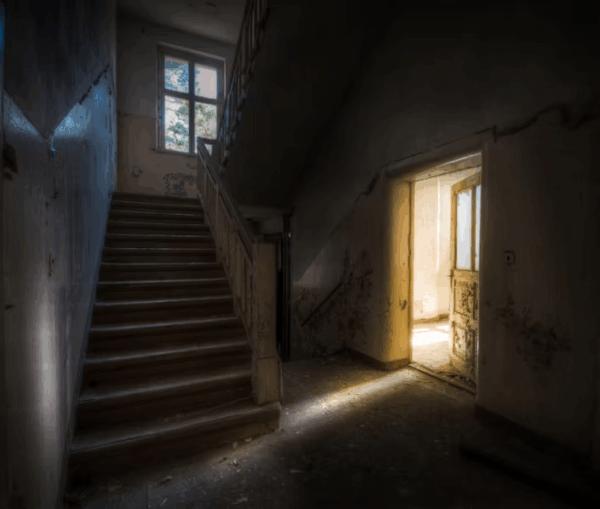
The realization didn’t arrive like heartbreak. It arrived like a slow settling — an inward collapse of something I hadn’t even realized was still standing. I placed the cup on the drying rack and pressed both palms to the counter. Something uncoiled inside me — a tightness I’d ignored for too long, a whisper of resentment, a tired longing for someone to look at me and see more than a name on a to-do list.

And then, out of nowhere, a sharp thought cut through the stillness:

“You’re not dead yet, Eleanor.”

The words jolted me more than I care to admit. Not because they were dramatic, but because they were true. Because they felt like a hand reaching through the fog, shaking me gently by the shoulders. Because for the first time in a long time, I realized that if I wanted my life to feel bigger than a room of quiet routines, I was going to have to step outside of it.

And so, without planning anything, I moved. I dried my hands, walked to the hall closet, and pulled out my “special occasion” purse — a small, elegant thing I had barely used since Warren passed. It still carried the faint scent of the perfume I wore the last time we went anywhere nice together.

I didn’t know where I was heading.
I didn’t have a reservation or a friend waiting for me.
I didn’t even know if I’d regret this sudden courage the moment I stepped outside.

I just knew I couldn’t spend another birthday letting my life shrink any further. With a deep breath, I locked the front door behind me and walked toward the bus stop at the end of my street.

A Small Act of Courage on a Quiet Night

The night bus rolled up with a low rumble, its headlights cutting through the dimming evening. The doors folded open with a long mechanical sigh. When I stepped aboard, the driver glanced at me briefly, nodded, and punched a button on his console.

The bus smelled like damp jackets, old upholstery, and the faint, lingering scent of cheap cologne. A teenager in a hoodie sat slumped across two seats, bobbing his head to music only he could hear. A nurse in scrubs leaned against the window in exhausted stillness, her lanyard hanging crooked across her chest. An older man in a worn denim jacket held a bag of groceries like they contained something fragile.
I found a seat near the middle, gripping the pole as the bus lurched forward. It had been years since I’d taken public transportation at night. Back when Warren was alive, he insisted on driving everywhere, saying buses were “for people with more flexibility in their backs.”

Now, riding the bus felt like an adventure — a small one, yes, but one that shook loose something inside me that had felt dormant for far too long.

As the bus made its way toward the city, the landscape transformed from quiet neighborhoods to busy intersections. Streetlights reflected off wet pavement. Teenagers laughed outside convenience stores. Cars crawled along in slow streams of headlights. Restaurants brimmed with people whose nights were full of celebrations, conversations, and the comfort of belonging somewhere.

And I realized something: I was jealous — jealous of the noise, the movement, the energy. Jealous of the simple fact that these people were out in the world living, while I had spent years tucking myself away like an old keepsake no one lifted from the drawer.

When the bus reached the city center, I stepped off and felt the cool air swirl around me. The smell of street food drifted from a vendor’s cart. Music thumped faintly from a bar across the street. Groups of friends hurried past, coats swinging, laughter echoing behind them.

I didn’t feel like I fit in.
But I didn’t feel as invisible as I had at home, either.

I told myself I’d just take a walk — nothing dramatic, nothing foolish — maybe find a little diner and treat myself to dessert. Just something to mark the day. But as I turned a corner, a soft glow caught my eye. A bar. Small. Warm. Inviting.

It sat tucked between a florist shop and a shuttered bookstore. No neon signs. No loud music. Just the kind of dim, amber light that made everything look softer and kinder. I stopped in front of it, looking at my reflection in the window — my silver-streaked hair pulled back, the faint lines around my eyes, the slight tentative set of my shoulders.

I didn’t look like a woman who belonged in a bar at night. I looked like a woman who had lived a lot of life and forgotten how to treat herself. But then, for the first time in years, I whispered to my reflection: “You’re still here.” And I pushed the door open.

When I stepped into the bar, the first thing I noticed was the warmth — not just the temperature, but the atmosphere. Soft golden light spilled from overhead lamps, casting gentle shadows across the wooden tables worn smooth from years of elbows, laughter, and whispered secrets. A low hum of conversation wrapped itself around me like a blanket, and somewhere near the back, a mellow jazz tune drifted from a speaker, soothing and unhurried.

It felt like a place where stories lingered long after people left. I slid onto a barstool at the far end, choosing the corner where a person could exist without being watched. The bartender — a woman in her thirties with dark curls piled into a messy bun — approached with an easy smile and a towel tossed over her shoulder.

“What can I get for you tonight?” she asked, her voice warm but neutral, the way someone sounds when they’ve learned to sense a customer’s mood without prying. I hesitated, because I hadn’t planned beyond simply walking through the door. “Red wine,” I finally said. “Something you think is good.”

She gave a small, approving nod. “I’ve got just the thing. And don’t worry — I judge bars that serve bad wine.” I let out a soft laugh at that — the first genuine laugh I’d felt all day — and she poured a generous glass, sliding it toward me like she was handing over a small kindness. “For your evening,” she said. “Whatever it may be.”

I thanked her quietly and took the first sip. Warm. Smooth. A hint of berries. I felt it spread through my chest, loosening something tight inside me. For several minutes, I simply sat there, taking in the room, letting myself exist not as a mother, a widow, or a retired office worker — but as a person who chose, for once, to leave the house and step into somewhere unexpected.

A couple sat close together in a corner booth, their heads bent toward each other, sharing the kind of laughter that comes from long familiarity. A woman typed furiously at her laptop near the wall, her drink untouched beside her. Two men in suits at a small table toasted their survival of a long workweek. And people drifted in and out like scenes from a quiet film.

For once, I didn’t feel like an outsider looking through a window.
I felt… part of something.
Even if only a small part.

And then he walked in.

The man who would change the course of my life without ever intending to.

He stepped through the door with the kind of tired ease that suggested this place was familiar to him — a refuge, maybe, or a routine stop after long days. He wore a worn leather jacket, the kind softened by years rather than neglect. His dark hair was pushed back the way people do when they’ve run a hand through it too many times. He didn’t look polished or meticulously put together. He looked real.

Not movie-star handsome — but there was something warm in his presence, something open. And that was far rarer than beauty. He took a seat two stools down from me, nodded at the bartender with a familiarity that spoke of many evenings spent here, and sighed as he slid onto the barstool.

“The usual?” she asked. “Yeah,” he murmured. “Long day.” “Aren’t they all,” she replied, pouring amber liquid into a short glass before setting it gently before him. He took a sip, rolled it across his tongue like someone who appreciated quiet rituals, and exhaled a breath that seemed to relieve him.

I turned back toward my wine, not wanting to stare — I wasn’t the kind of woman who made bold glances at strangers. But as fate or coincidence would have it, he glanced in my direction at that exact moment. And his expression shifted. Not in judgment. Not in surprise. But in recognition — the kind of recognition most people don’t reserve for strangers.

“Evening,” he said softly. “Evening,” I replied, feeling suddenly aware of every strand of hair that might be out of place. “You look like it’s your first time in here,” he said, not teasing, not presumptuous — just noticing. I smiled. “Is it that obvious?” “Only because you looked at the wine list like it was a pop quiz you hadn’t studied for.”

I laughed, the sound breaking past my nerves. He continued, “Most regulars just tell Hannah”—he nodded at the bartender—“to pour whatever she thinks fits their mood. She has strong opinions about that.” “I like a bartender with opinions,” I said. “That’s because you haven’t heard all of them,” he joked. His smile relaxed me. Before I knew it, we were talking like two people who had sat beside each other countless times.

“I’m Eleanor,” I offered. My voice trembled only slightly. He extended his hand with a warm, steady presence. “Eli.” His handshake was gentle but confident. The kind that said he had lived enough life to treat strangers with respect. “So what brings you out tonight?” he asked. “Celebrating something?” I hesitated. It felt childish to admit the truth, but the wine and his kindness gave me courage.

“It’s my birthday,” I said softly. His face immediately brightened, his eyebrows lifting. “Well now — that’s something worth toasting. Happy birthday. Sixty?” I nearly choked on my wine. “Sixty-two.” He raised his glass toward me, his smile softening. “Sixty-two looks good on you.” I couldn’t remember the last time someone said something like that without adding “…for your age.”

We clinked glasses gently. “Well,” he continued, “did your family shower you with cake and confetti tonight? Any surprise parties I should know about? Balloons hiding behind that purse?” The joke landed softly but hit a tender place in me. “No,” I said honestly. “Just me. And my armchair. And whatever old show happened to be on.” His smile faded into something more thoughtful — a quiet understanding.

“So you came here,” he said, nodding. “Instead of sitting home alone.” “Yes,” I replied. “If no one else was going to mark the occasion, I figured I could at least raise one glass in a real glass.” He chuckled. “Seems like a smart choice.” What followed felt almost unreal. We talked. Not small talk. Not polite exchanges. But talked.

He told me he was a photographer — weddings sometimes, but mostly portraits, landscapes, and the kinds of candid moments you can’t stage. “It’s strange,” he said. “You catch the most honest pictures when people forget you’re holding a camera.” I told him about my life — my children, my widowhood, my retirement. I admitted that I’d once dreamed of traveling the world. “Why didn’t you?” he asked gently.

“Life,” I said. “Responsibilities. Timing. Money. Family. All the things that come before yourself.” “You ever regret it?” he asked. “Sometimes,” I admitted. And he looked at me with a softness I hadn’t felt directed toward me in years — not romantic, not pitying. Just understanding. “You know,” he said quietly, “it’s not too late. For something. Doesn’t have to be the whole world. Just something that wakes up the part of you that’s still alive.”

His words sank into me like a warm stone. And for the first time in a long time, I felt something awake inside my chest. We talked for hours — so long that the bar grew crowded, then emptied again. Glasses were refilled, and I laughed more times than I’d laughed in the last few years combined. At some point, when I finally tried to stand up, the room tilted just slightly — not sharply, but enough that Eli rose immediately.

“You okay?” he asked, his hand hovering respectfully near my elbow. “Oh, I’m fine,” I said, laughing at my own imbalance. “Apparently sixty-two-year-old me cannot handle wine the way twenty-two-year-old me did.” “You shouldn’t go home alone,” he said. “Let me walk you somewhere safe.” “I don’t want to be a burden,” I protested. “You’re not,” he said simply. “Let me help.”

Something about the quiet sincerity in his voice made me nod. We stepped outside together. The night air was cool and smelled faintly of distant rain. The street was quieter now, the earlier noise replaced with scattered pockets of laughter and the soft hum of passing cars. He led me a short block down the street to a small, clean hotel with warm light spilling from its lobby windows.

Inside, he helped me check in — never once stepping too close, never once violating the boundary of a stranger’s trust. He stayed a respectful distance behind me as I signed my name. “Just walk her upstairs,” the clerk instructed, handing me a key. Eli nodded and escorted me to the elevator. When we reached my room, he paused, hands tucked into his jacket pockets.

“You sure you’ll be okay?” he asked. “Yes,” I said softly. “Thank you… for everything tonight.” He gave me a small smile — one tinged with something deeper, something unspoken — and nodded once. “Happy birthday, Eleanor.”

And then he was gone. I entered the quiet room and sat on the edge of the bed to take off my shoes. The world spun gently around me, blurring into soft colors. And then everything dissolved into sleep before my head even touched the pillow.

A Morning, a Photograph, and a Truth I Never Expected

When I opened my eyes, pale sunlight filtered through the curtains, soft and warm. For a moment, I didn’t recognize where I was. The sheets were too crisp, the room too unfamiliar, my body too rested. Then memories trickled in — the bar, the wine, Eli’s kindness, the walk to the hotel. I turned to the other pillow out of instinct.

It was indented. Still faintly warm. A jolt of panic pierced through me. My gaze darted around the room — no suitcase, no shoes, no sign of another presence. Then my eyes fell upon a white envelope on the nightstand. My name was written on it in careful handwriting:

Eleanor

My hands trembled as I opened it. Inside was a photograph. Of me. Asleep. Peaceful. Softly lit by the bedside lamp. Not posed. Not uncomfortable. Just… human. Gentle. Vulnerable. Real. And beneath it, on a folded piece of paper, a handwritten letter:

Eleanor,
You slept so peacefully.
He explained that I had fallen asleep almost mid-sentence. That he didn’t feel comfortable leaving me alone until he was sure I was safe. That he covered me with the blanket and sat in the chair by the window for a while, keeping watch.

“I didn’t touch you.
I didn’t stay in your bed.
I only stayed until I knew you were okay.”

His words were respectful and earnest. But the next part changed everything.

“There’s something else I need to tell you.”

He explained that the moment he saw me, he recognized me — not as a stranger, but as someone who had once meant something deeply to someone else. His father. He described how he had found an old black-and-white photograph of his father as a young man — smiling wide, full of life — standing next to a young woman whose head was thrown back in laughter. Me.

He wrote about how his father spoke of a girl he loved long ago — a girl whose life had pulled her away from him, a girl he never stopped thinking about even after marrying someone else, raising a family, and living out decades of quiet, steady love. And last night, Eli saw that woman — older, wiser, silver-haired, but unmistakably the same. At the bottom of the letter was a name and phone number.

Samuel Hayes.
The boy I once let go.
The boy I once told myself would forget me.
The man I never fully stopped remembering.

The breath left my lungs. The world tilted. The past, which I had folded and tucked away in some dusty drawer of my heart, burst open like it had been waiting for this moment.

A Call Forty Years in the Making

When I got home later that afternoon, I sat on my bed with the letter in one hand and the phone in the other. I stared at his number. The urge to call warred with fear.

What if he didn’t remember me the way Eli thought?
What if he’d moved on completely?
What if I was nothing but a photograph in a dusty box?

But what if I wasn’t? My heart pounded. I finally dialed. The phone rang once. Twice. Three times. I almost hung up. Then a familiar voice — older, rougher, but undeniably his — answered. “Hello?” My breath caught. “It’s…” I tried again. “It’s Eleanor.” A long silence. Long enough for an entire lifetime to sit between us.

Then: “Ellie?” he whispered, voice trembling. “Is it really you?” My eyes filled with tears. “Yes,” I said softly. “It’s me.” He exhaled sharply — part laugh, part sob. “I… I’ve waited so many years,” he said. “I just didn’t know what for.” A tear slipped down my cheek. “Maybe,” I said, “we still owe each other a sunset.”

Another soft, emotional breath. Then, quietly: “I’d like that. More than you know.” Outside my window, the world looked different — brighter, fuller, open in a way it hadn’t felt in years. For the first time in a long time, the quiet inside my house didn’t feel like loneliness. It felt like the beginning of something. A second chance. Fragile. Unexpected. And breathtakingly real.

By the time I reached sixty-two, my life had settled into a quiet rhythm so predictable that even the small noises of my house felt like old companions. Some people romanticize routines, calling them “comforting” or “grounding,” but mine often felt more like a small room with no windows — safe, familiar, and limiting in ways I didn’t fully realize until much later.

I lived alone on the edge of town in a modest one-story house with weathered blue siding. The paint had faded over years of sun and storms, softening into a muted color that had become strangely dear to me. The porch creaked underfoot, complaining in all the same places it had for decades.

I knew each sound by heart — the groan beneath the third plank, the soft knock of the loose railing during windy nights, the squeak at the top step that once startled my children but now only greeted me at the end of every errand. A tall maple tree guarded the front yard. In summer, it spread a canopy that filtered sunlight into warm amber patches across the grass. In fall, it became a glorious explosion of red and gold, its leaves drifting like slow-motion confetti.

In winter, its bare branches etched delicate shapes against the gray sky. And every evening, when the sun dipped low, birds lined the telephone wires and filled the air with their little evening symphonies — melodies that stretched across the neighborhood like threads tying the quiet together. Sometimes, that quiet soothed me. Sometimes, it felt like the pause before a forgotten song.

My husband, Warren, had been gone for thirteen years. His death still lived in the walls of our home, in the empty space beside me in the bed, in the memory of the deep laugh he used to let out when he tried to fix something he wasn’t qualified to touch. Cancer arrived brutally, without negotiation. It cut through our life like a sudden, merciless wind, leaving wreckage in its wake and a silence so thick it took me years to grow used to it.

Our children, Mark and Jenna, were adults now, swallowed by their own busy lives — carpools, career ladders, mortgages, birthday parties, and endless obligations. They loved me, but love does not always mean presence. Sometimes it means short text messages squeezed between meetings, or postponed visits, or holidays negotiated around other commitments. And I learned — perhaps too well — not to ask for more than people had to give.

Most nights, I sat in my old armchair near the living room window. The fabric had softened over the years, molded to the shape of my body like an embrace worn thin through repetition. I watched the streetlights blink on one after another as if the neighborhood exhaled into the evening. Sometimes I watched game shows, their canned laughter echoing gently through the room.

Sometimes I simply listened to the hum of the refrigerator, the soft tick of the wall clock, or the far-off sound of a neighbor’s truck pulling into a driveway. The quiet was rarely painful. But it rarely felt like living, either. And then came my sixty-second birthday — a day so ordinary that if I hadn’t known the date, I might have thought it was just another Wednesday.

No card on the porch.
No bouquet of grocery-store flowers.
No call.
No text.
Not even a social media notification from someone who remembered me once in a while.

I checked my phone more than I want to admit — first casually, then hopefully, then compulsively. But the screen stayed blank, its silence louder than any ringtone. By early evening, the sky stretched across the rooftops in soft streaks of pink and lavender. I stood at the kitchen sink rinsing my coffee cup, and the weight of the day finally hit me with a blunt, startling truth:

No one remembered.
No one was coming.
No one even knew.

The realization didn’t arrive like heartbreak. It arrived like a slow settling — an inward collapse of something I hadn’t even realized was still standing. I placed the cup on the drying rack and pressed both palms to the counter. Something uncoiled inside me — a tightness I’d ignored for too long, a whisper of resentment, a tired longing for someone to look at me and see more than a name on a to-do list.

And then, out of nowhere, a sharp thought cut through the stillness:

“You’re not dead yet, Eleanor.”

The words jolted me more than I care to admit. Not because they were dramatic, but because they were true. Because they felt like a hand reaching through the fog, shaking me gently by the shoulders. Because for the first time in a long time, I realized that if I wanted my life to feel bigger than a room of quiet routines, I was going to have to step outside of it.

And so, without planning anything, I moved. I dried my hands, walked to the hall closet, and pulled out my “special occasion” purse — a small, elegant thing I had barely used since Warren passed. It still carried the faint scent of the perfume I wore the last time we went anywhere nice together.

I didn’t know where I was heading.
I didn’t have a reservation or a friend waiting for me.
I didn’t even know if I’d regret this sudden courage the moment I stepped outside.

I just knew I couldn’t spend another birthday letting my life shrink any further. With a deep breath, I locked the front door behind me and walked toward the bus stop at the end of my street.

A Small Act of Courage on a Quiet Night

The night bus rolled up with a low rumble, its headlights cutting through the dimming evening. The doors folded open with a long mechanical sigh. When I stepped aboard, the driver glanced at me briefly, nodded, and punched a button on his console.

The bus smelled like damp jackets, old upholstery, and the faint, lingering scent of cheap cologne. A teenager in a hoodie sat slumped across two seats, bobbing his head to music only he could hear. A nurse in scrubs leaned against the window in exhausted stillness, her lanyard hanging crooked across her chest. An older man in a worn denim jacket held a bag of groceries like they contained something fragile.

I found a seat near the middle, gripping the pole as the bus lurched forward. It had been years since I’d taken public transportation at night. Back when Warren was alive, he insisted on driving everywhere, saying buses were “for people with more flexibility in their backs.”

Now, riding the bus felt like an adventure — a small one, yes, but one that shook loose something inside me that had felt dormant for far too long.

As the bus made its way toward the city, the landscape transformed from quiet neighborhoods to busy intersections. Streetlights reflected off wet pavement. Teenagers laughed outside convenience stores. Cars crawled along in slow streams of headlights. Restaurants brimmed with people whose nights were full of celebrations, conversations, and the comfort of belonging somewhere.

And I realized something: I was jealous — jealous of the noise, the movement, the energy. Jealous of the simple fact that these people were out in the world living, while I had spent years tucking myself away like an old keepsake no one lifted from the drawer.

When the bus reached the city center, I stepped off and felt the cool air swirl around me. The smell of street food drifted from a vendor’s cart. Music thumped faintly from a bar across the street. Groups of friends hurried past, coats swinging, laughter echoing behind them.

I didn’t feel like I fit in.
But I didn’t feel as invisible as I had at home, either.

I told myself I’d just take a walk — nothing dramatic, nothing foolish — maybe find a little diner and treat myself to dessert. Just something to mark the day. But as I turned a corner, a soft glow caught my eye. A bar. Small. Warm. Inviting.

It sat tucked between a florist shop and a shuttered bookstore. No neon signs. No loud music. Just the kind of dim, amber light that made everything look softer and kinder. I stopped in front of it, looking at my reflection in the window — my silver-streaked hair pulled back, the faint lines around my eyes, the slight tentative set of my shoulders.

I didn’t look like a woman who belonged in a bar at night. I looked like a woman who had lived a lot of life and forgotten how to treat herself. But then, for the first time in years, I whispered to my reflection: “You’re still here.” And I pushed the door open.

When I stepped into the bar, the first thing I noticed was the warmth — not just the temperature, but the atmosphere. Soft golden light spilled from overhead lamps, casting gentle shadows across the wooden tables worn smooth from years of elbows, laughter, and whispered secrets. A low hum of conversation wrapped itself around me like a blanket, and somewhere near the back, a mellow jazz tune drifted from a speaker, soothing and unhurried.

It felt like a place where stories lingered long after people left. I slid onto a barstool at the far end, choosing the corner where a person could exist without being watched. The bartender — a woman in her thirties with dark curls piled into a messy bun — approached with an easy smile and a towel tossed over her shoulder.

“What can I get for you tonight?” she asked, her voice warm but neutral, the way someone sounds when they’ve learned to sense a customer’s mood without prying. I hesitated, because I hadn’t planned beyond simply walking through the door. “Red wine,” I finally said. “Something you think is good.”

She gave a small, approving nod. “I’ve got just the thing. And don’t worry — I judge bars that serve bad wine.” I let out a soft laugh at that — the first genuine laugh I’d felt all day — and she poured a generous glass, sliding it toward me like she was handing over a small kindness. “For your evening,” she said. “Whatever it may be.”

I thanked her quietly and took the first sip. Warm. Smooth. A hint of berries. I felt it spread through my chest, loosening something tight inside me. For several minutes, I simply sat there, taking in the room, letting myself exist not as a mother, a widow, or a retired office worker — but as a person who chose, for once, to leave the house and step into somewhere unexpected.

A couple sat close together in a corner booth, their heads bent toward each other, sharing the kind of laughter that comes from long familiarity. A woman typed furiously at her laptop near the wall, her drink untouched beside her. Two men in suits at a small table toasted their survival of a long workweek. And people drifted in and out like scenes from a quiet film.

For once, I didn’t feel like an outsider looking through a window.
I felt… part of something.
Even if only a small part.

And then he walked in.

The man who would change the course of my life without ever intending to.

He stepped through the door with the kind of tired ease that suggested this place was familiar to him — a refuge, maybe, or a routine stop after long days. He wore a worn leather jacket, the kind softened by years rather than neglect. His dark hair was pushed back the way people do when they’ve run a hand through it too many times. He didn’t look polished or meticulously put together. He looked real.

Not movie-star handsome — but there was something warm in his presence, something open. And that was far rarer than beauty. He took a seat two stools down from me, nodded at the bartender with a familiarity that spoke of many evenings spent here, and sighed as he slid onto the barstool.

“The usual?” she asked. “Yeah,” he murmured. “Long day.” “Aren’t they all,” she replied, pouring amber liquid into a short glass before setting it gently before him. He took a sip, rolled it across his tongue like someone who appreciated quiet rituals, and exhaled a breath that seemed to relieve him.

I turned back toward my wine, not wanting to stare — I wasn’t the kind of woman who made bold glances at strangers. But as fate or coincidence would have it, he glanced in my direction at that exact moment. And his expression shifted. Not in judgment. Not in surprise. But in recognition — the kind of recognition most people don’t reserve for strangers.

“Evening,” he said softly. “Evening,” I replied, feeling suddenly aware of every strand of hair that might be out of place. “You look like it’s your first time in here,” he said, not teasing, not presumptuous — just noticing. I smiled. “Is it that obvious?” “Only because you looked at the wine list like it was a pop quiz you hadn’t studied for.”

I laughed, the sound breaking past my nerves. He continued, “Most regulars just tell Hannah”—he nodded at the bartender—“to pour whatever she thinks fits their mood. She has strong opinions about that.” “I like a bartender with opinions,” I said. “That’s because you haven’t heard all of them,” he joked. His smile relaxed me. Before I knew it, we were talking like two people who had sat beside each other countless times.

“I’m Eleanor,” I offered. My voice trembled only slightly. He extended his hand with a warm, steady presence. “Eli.” His handshake was gentle but confident. The kind that said he had lived enough life to treat strangers with respect. “So what brings you out tonight?” he asked. “Celebrating something?” I hesitated. It felt childish to admit the truth, but the wine and his kindness gave me courage.

“It’s my birthday,” I said softly. His face immediately brightened, his eyebrows lifting. “Well now — that’s something worth toasting. Happy birthday. Sixty?” I nearly choked on my wine. “Sixty-two.” He raised his glass toward me, his smile softening. “Sixty-two looks good on you.” I couldn’t remember the last time someone said something like that without adding “…for your age.”

We clinked glasses gently. “Well,” he continued, “did your family shower you with cake and confetti tonight? Any surprise parties I should know about? Balloons hiding behind that purse?” The joke landed softly but hit a tender place in me. “No,” I said honestly. “Just me. And my armchair. And whatever old show happened to be on.” His smile faded into something more thoughtful — a quiet understanding.

“So you came here,” he said, nodding. “Instead of sitting home alone.” “Yes,” I replied. “If no one else was going to mark the occasion, I figured I could at least raise one glass in a real glass.” He chuckled. “Seems like a smart choice.” What followed felt almost unreal. We talked. Not small talk. Not polite exchanges. But talked.

He told me he was a photographer — weddings sometimes, but mostly portraits, landscapes, and the kinds of candid moments you can’t stage. “It’s strange,” he said. “You catch the most honest pictures when people forget you’re holding a camera.” I told him about my life — my children, my widowhood, my retirement. I admitted that I’d once dreamed of traveling the world. “Why didn’t you?” he asked gently.

“Life,” I said. “Responsibilities. Timing. Money. Family. All the things that come before yourself.” “You ever regret it?” he asked. “Sometimes,” I admitted. And he looked at me with a softness I hadn’t felt directed toward me in years — not romantic, not pitying. Just understanding. “You know,” he said quietly, “it’s not too late. For something. Doesn’t have to be the whole world. Just something that wakes up the part of you that’s still alive.”

His words sank into me like a warm stone. And for the first time in a long time, I felt something awake inside my chest. We talked for hours — so long that the bar grew crowded, then emptied again. Glasses were refilled, and I laughed more times than I’d laughed in the last few years combined. At some point, when I finally tried to stand up, the room tilted just slightly — not sharply, but enough that Eli rose immediately.

“You okay?” he asked, his hand hovering respectfully near my elbow. “Oh, I’m fine,” I said, laughing at my own imbalance. “Apparently sixty-two-year-old me cannot handle wine the way twenty-two-year-old me did.” “You shouldn’t go home alone,” he said. “Let me walk you somewhere safe.” “I don’t want to be a burden,” I protested. “You’re not,” he said simply. “Let me help.”

Something about the quiet sincerity in his voice made me nod. We stepped outside together. The night air was cool and smelled faintly of distant rain. The street was quieter now, the earlier noise replaced with scattered pockets of laughter and the soft hum of passing cars. He led me a short block down the street to a small, clean hotel with warm light spilling from its lobby windows.

Inside, he helped me check in — never once stepping too close, never once violating the boundary of a stranger’s trust. He stayed a respectful distance behind me as I signed my name. “Just walk her upstairs,” the clerk instructed, handing me a key. Eli nodded and escorted me to the elevator. When we reached my room, he paused, hands tucked into his jacket pockets.

“You sure you’ll be okay?” he asked. “Yes,” I said softly. “Thank you… for everything tonight.” He gave me a small smile — one tinged with something deeper, something unspoken — and nodded once. “Happy birthday, Eleanor.”

And then he was gone. I entered the quiet room and sat on the edge of the bed to take off my shoes. The world spun gently around me, blurring into soft colors. And then everything dissolved into sleep before my head even touched the pillow.

A Morning, a Photograph, and a Truth I Never Expected

When I opened my eyes, pale sunlight filtered through the curtains, soft and warm. For a moment, I didn’t recognize where I was. The sheets were too crisp, the room too unfamiliar, my body too rested. Then memories trickled in — the bar, the wine, Eli’s kindness, the walk to the hotel. I turned to the other pillow out of instinct.

It was indented. Still faintly warm. A jolt of panic pierced through me. My gaze darted around the room — no suitcase, no shoes, no sign of another presence. Then my eyes fell upon a white envelope on the nightstand. My name was written on it in careful handwriting:

Eleanor

My hands trembled as I opened it. Inside was a photograph. Of me. Asleep. Peaceful. Softly lit by the bedside lamp. Not posed. Not uncomfortable. Just… human. Gentle. Vulnerable. Real. And beneath it, on a folded piece of paper, a handwritten letter:

Eleanor,
You slept so peacefully.
He explained that I had fallen asleep almost mid-sentence. That he didn’t feel comfortable leaving me alone until he was sure I was safe. That he covered me with the blanket and sat in the chair by the window for a while, keeping watch.

“I didn’t touch you.
I didn’t stay in your bed.
I only stayed until I knew you were okay.”

His words were respectful and earnest. But the next part changed everything.

“There’s something else I need to tell you.”

He explained that the moment he saw me, he recognized me — not as a stranger, but as someone who had once meant something deeply to someone else. His father. He described how he had found an old black-and-white photograph of his father as a young man — smiling wide, full of life — standing next to a young woman whose head was thrown back in laughter. Me.

He wrote about how his father spoke of a girl he loved long ago — a girl whose life had pulled her away from him, a girl he never stopped thinking about even after marrying someone else, raising a family, and living out decades of quiet, steady love. And last night, Eli saw that woman — older, wiser, silver-haired, but unmistakably the same. At the bottom of the letter was a name and phone number.

Samuel Hayes.
The boy I once let go.
The boy I once told myself would forget me.
The man I never fully stopped remembering.

The breath left my lungs. The world tilted. The past, which I had folded and tucked away in some dusty drawer of my heart, burst open like it had been waiting for this moment.

A Call Forty Years in the Making

When I got home later that afternoon, I sat on my bed with the letter in one hand and the phone in the other. I stared at his number. The urge to call warred with fear.

What if he didn’t remember me the way Eli thought?
What if he’d moved on completely?
What if I was nothing but a photograph in a dusty box?

But what if I wasn’t? My heart pounded. I finally dialed. The phone rang once. Twice. Three times. I almost hung up. Then a familiar voice — older, rougher, but undeniably his — answered. “Hello?” My breath caught. “It’s…” I tried again. “It’s Eleanor.” A long silence. Long enough for an entire lifetime to sit between us.

Then: “Ellie?” he whispered, voice trembling. “Is it really you?” My eyes filled with tears. “Yes,” I said softly. “It’s me.” He exhaled sharply — part laugh, part sob. “I… I’ve waited so many years,” he said. “I just didn’t know what for.” A tear slipped down my cheek. “Maybe,” I said, “we still owe each other a sunset.”

Another soft, emotional breath. Then, quietly: “I’d like that. More than you know.” Outside my window, the world looked different — brighter, fuller, open in a way it hadn’t felt in years. For the first time in a long time, the quiet inside my house didn’t feel like loneliness. It felt like the beginning of something. A second chance. Fragile. Unexpected. And breathtakingly real.