...

1980s Pop Icon Richard Darbyshire Dies at 65 — A Tribute to the Voice Behind an Era

For listeners who grew up in the 1980s, the music of that electrifying decade is woven into memory like a soundtrack of youth. Synth lines pulsed like neon lights, drum machines echoed through crowded dance floors, and voices — powerful, emotional, unforgettable — carried the hopes and heartbreaks of a generation discovering itself.

Among those voices was one that felt both intimate and commanding, both soulful and futuristic: Richard Darbyshire, the frontman of Living in a Box.

Today, fans around the world are mourning the news that Darbyshire has died at the age of 65. His passing marks the end of an era, not just for the millions who loved his music, but for the musicians he inspired, the writers he mentored, and the listeners who still feel a spark of nostalgia every time “Living in a Box” comes on the radio.

Though he never chased fame aggressively, and often shied away from the spotlight, Darbyshire’s voice became one of the most distinctive of the 1980s — warm, soulful, polished, and layered with emotional texture.
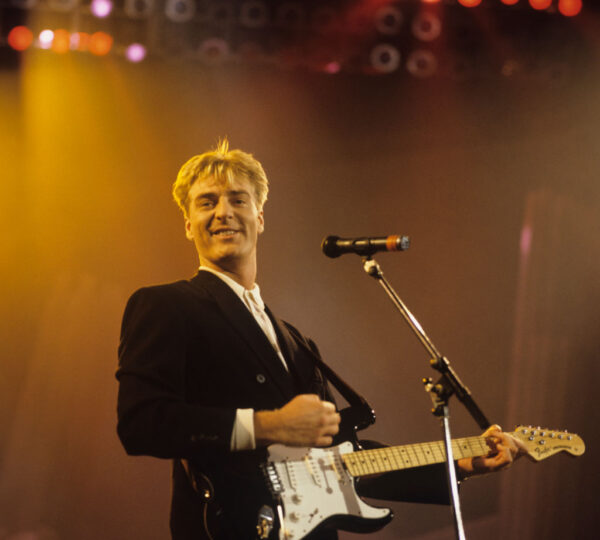
For those who knew him personally, he was not only a gifted singer, but a gentle soul, a thoughtful writer, and a man who approached music with sincerity rather than ego.

His journey, like his voice, was full of depth.

A Childhood of Curiosity and a Life Touched by Many Cultures

Richard Darbyshire was born in Stockport, England, a town known for its history and charm, but not necessarily for producing pop icons. Yet even as a child, Darbyshire seemed to carry a spark — a fascination with sound, rhythm, and the emotional landscapes music can create.

His life took an unexpected turn when his family moved to Japan during his teenage years. The transition was dramatic, but it exposed him to a cultural and musical environment far different from the one he had known.

In Japan, he discovered soul music — true soul music — the kind sung by giants like Marvin Gaye, Al Green, and Curtis Mayfield. These weren’t just artists; they were storytellers whose voices carried meaning.

This immersion shaped Darbyshire permanently.
It gave him an appreciation for layered emotion, sincerity in performance, and the idea that a voice could hold both vulnerability and strength at the same time.

When he eventually returned to the UK, he brought with him an expanded worldview and a sound shaped by three continents: British sensibility, Japanese cultural influence, and African-American soul.

The Formative Years: Discovering His Craft and His Purpose

Back in England, Darbyshire pursued music with growing passion. He played in various bands, tested his songwriting abilities, and began developing the musical identity that would later define his work.

Friends and collaborators from his early career often reminisced about his unusual combination of talent and humility — a striking voice paired with a gentle demeanor.

He enrolled at Oxford to study English literature, deepening his understanding of storytelling, structure, and poetic expression. The influence of these studies would later appear in his songwriting: thoughtful lyrics, emotional honesty, and the ability to express complex feelings with elegant simplicity.

But even before Darbyshire achieved fame, his songwriting abilities were already in demand. He composed tracks that would eventually be recorded by prominent acts like The Temptations, revealing his ability to weave soul and pop into something unique.

Still, something greater was waiting.
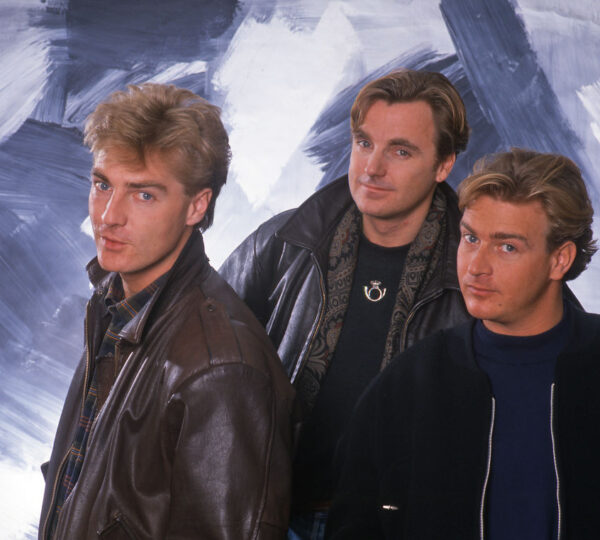
1985: The Birth of Living in a Box — and the Rise of an ’80s Anthem

In 1985, Richard’s life took a transformative turn when he caught the attention of two major labels: Virgin Records and Chrysalis Records. Both saw potential in him, not only as a writer but as a voice capable of fronting a new kind of band — one that blended electronic innovation with human emotion.

His audition for the band that would soon become Living in a Box changed everything. When he performed a song called “Living in a Box,” it was clear to everyone in the room that this was more than just a track — it was a statement. A sound. A brand. A future.

The band took the unusual step of naming themselves after the very song that defined their identity. It was bold, modern, and memorable. And with Darbyshire at the microphone, they were ready to make their mark.

Between 1985 and 1990, Living in a Box created a catalogue that continues to shine among the era’s music. Their debut single — the electrifying, rhythmically punchy “Living in a Box” — became an international hit, climbing charts and establishing itself as one of the most recognizable songs of the decade.

Darbyshire’s voice was central to the band’s appeal. It cut through the machinery of the production — warm enough to feel human, powerful enough to soar above layers of synth.

They followed with more hits:

  • “Blow the House Down” — a dynamic, energetic track

  • “Room in Your Heart” — a tender ballad showcasing the emotional range of Darbyshire’s vocals

  • “Scales of Justice” — blending social commentary with rich melodies

Each track carried the signature blend of hi-tech production and heartfelt delivery, making Living in a Box stand out from their contemporaries.
 

An Abrupt Ending — and a New Musical Path

Despite their success, the band struggled with the internal pressures that often accompany rapid fame. Creative differences surfaced during the making of their third album, and in 1990, Living in a Box disbanded. The breakup felt sudden to fans, but insiders say Darbyshire was always ambivalent about the spotlight.

He preferred creation over fame, authenticity over publicity, and studio work over public performance.

In 1994, he released his solo album, “How Many Angels,” a project that further demonstrated his depth as a vocalist and songwriter. It featured collaborations with beloved singer Lisa Stansfield and showcased tracks originally meant for the unreleased third Living in a Box album.

Critics praised the album for its emotional richness and stylistic maturity. Darbyshire had evolved, but the essence remained: soul at the core, wrapped in sophisticated production.

Over the following decades, he shifted his focus to writing and producing. His creative fingerprints appear across numerous projects from artists including Level 42, Jennifer Rush, and others who admired his ability to blend melody with meaning.
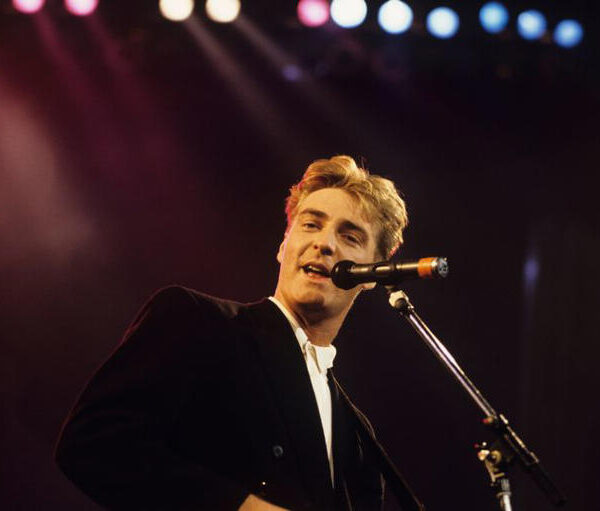
A Gentle Soul: The Man Behind the Music

Following his passing, Darbyshire’s bandmates released a deeply emotional tribute, offering fans one of the clearest portraits of who he truly was:

“Richard was an incredible talent — what a voice! His vocal skills knew no bounds… Richard, truly, could do it all.”

They praised not only his musicianship but also his humility:

“In some ways Richard was the most reluctant of ‘pop stars.’ He hated the photo shoots, the interviews, the TV appearances… He thought it was all a bit daft.”

And perhaps most touching of all:

“He was happiest in the studio, guitar in hand, working on the next song…”

These words highlight a side of Darbyshire that fans may not have seen: a man driven not by fame, but by love for the craft. A musician who found joy not in applause, but in creation.

Their final message struck a chord with fans everywhere:

“Richard, wherever you are, we will miss you dearly. The laughs we had, the ride we went on — it will never be forgotten. Love you man.”

Teaching, Sharing, and Giving Back

In the years leading up to his passing, Darbyshire dedicated much of his time to teaching songwriting workshops in London. These workshops allowed him to pass on his knowledge, nurture young talent, and help aspiring artists find their voices.

Students described him as warm, patient, and deeply insightful — the kind of mentor who listened, understood, and encouraged others to express themselves honestly. His final years were spent not in pursuit of new fame, but in shaping the next generation of creative musicians.

A Legacy Carved in Rhythm, Memory, and Emotion

Richard Darbyshire is survived by his wife, Sonia Jones, and by a musical legacy that continues to echo across decades. His contributions — both with Living in a Box and beyond — helped define an entire era of sound.

For fans, the news of his passing is more than an obituary.
It is a reminder that the icons who shaped our youth are fading.
Yet their music remains — immortal, untouched, eternal.

Darbyshire’s voice will forever live in tracks like:

  • “Living in a Box”

  • “Room in Your Heart”

  • “Blow the House Down”

Songs that captured hearts then — and continue to do so now.

His life, while quieter than many pop stars of his time, was rich with meaning, creativity, and emotional depth. And though he preferred the shadows of the studio to the spotlight of fame, his influence shines brightly.

Rest in peace, Richard Darbyshire.
Your sound shaped a generation.
Your music will echo forever.

For listeners who grew up in the 1980s, the music of that electrifying decade is woven into memory like a soundtrack of youth. Synth lines pulsed like neon lights, drum machines echoed through crowded dance floors, and voices — powerful, emotional, unforgettable — carried the hopes and heartbreaks of a generation discovering itself.

Among those voices was one that felt both intimate and commanding, both soulful and futuristic: Richard Darbyshire, the frontman of Living in a Box.

Today, fans around the world are mourning the news that Darbyshire has died at the age of 65. His passing marks the end of an era, not just for the millions who loved his music, but for the musicians he inspired, the writers he mentored, and the listeners who still feel a spark of nostalgia every time “Living in a Box” comes on the radio.

Though he never chased fame aggressively, and often shied away from the spotlight, Darbyshire’s voice became one of the most distinctive of the 1980s — warm, soulful, polished, and layered with emotional texture.

For those who knew him personally, he was not only a gifted singer, but a gentle soul, a thoughtful writer, and a man who approached music with sincerity rather than ego.

His journey, like his voice, was full of depth.

A Childhood of Curiosity and a Life Touched by Many Cultures

Richard Darbyshire was born in Stockport, England, a town known for its history and charm, but not necessarily for producing pop icons. Yet even as a child, Darbyshire seemed to carry a spark — a fascination with sound, rhythm, and the emotional landscapes music can create.

His life took an unexpected turn when his family moved to Japan during his teenage years. The transition was dramatic, but it exposed him to a cultural and musical environment far different from the one he had known.

In Japan, he discovered soul music — true soul music — the kind sung by giants like Marvin Gaye, Al Green, and Curtis Mayfield. These weren’t just artists; they were storytellers whose voices carried meaning.

This immersion shaped Darbyshire permanently.
It gave him an appreciation for layered emotion, sincerity in performance, and the idea that a voice could hold both vulnerability and strength at the same time.

When he eventually returned to the UK, he brought with him an expanded worldview and a sound shaped by three continents: British sensibility, Japanese cultural influence, and African-American soul.

The Formative Years: Discovering His Craft and His Purpose

Back in England, Darbyshire pursued music with growing passion. He played in various bands, tested his songwriting abilities, and began developing the musical identity that would later define his work.

Friends and collaborators from his early career often reminisced about his unusual combination of talent and humility — a striking voice paired with a gentle demeanor.

He enrolled at Oxford to study English literature, deepening his understanding of storytelling, structure, and poetic expression. The influence of these studies would later appear in his songwriting: thoughtful lyrics, emotional honesty, and the ability to express complex feelings with elegant simplicity.

But even before Darbyshire achieved fame, his songwriting abilities were already in demand. He composed tracks that would eventually be recorded by prominent acts like The Temptations, revealing his ability to weave soul and pop into something unique.

Still, something greater was waiting.

1985: The Birth of Living in a Box — and the Rise of an ’80s Anthem

In 1985, Richard’s life took a transformative turn when he caught the attention of two major labels: Virgin Records and Chrysalis Records. Both saw potential in him, not only as a writer but as a voice capable of fronting a new kind of band — one that blended electronic innovation with human emotion.

His audition for the band that would soon become Living in a Box changed everything. When he performed a song called “Living in a Box,” it was clear to everyone in the room that this was more than just a track — it was a statement. A sound. A brand. A future.

The band took the unusual step of naming themselves after the very song that defined their identity. It was bold, modern, and memorable. And with Darbyshire at the microphone, they were ready to make their mark.

Between 1985 and 1990, Living in a Box created a catalogue that continues to shine among the era’s music. Their debut single — the electrifying, rhythmically punchy “Living in a Box” — became an international hit, climbing charts and establishing itself as one of the most recognizable songs of the decade.

Darbyshire’s voice was central to the band’s appeal. It cut through the machinery of the production — warm enough to feel human, powerful enough to soar above layers of synth.

They followed with more hits:

  • “Blow the House Down” — a dynamic, energetic track

  • “Room in Your Heart” — a tender ballad showcasing the emotional range of Darbyshire’s vocals

  • “Scales of Justice” — blending social commentary with rich melodies

Each track carried the signature blend of hi-tech production and heartfelt delivery, making Living in a Box stand out from their contemporaries.


An Abrupt Ending — and a New Musical Path

Despite their success, the band struggled with the internal pressures that often accompany rapid fame. Creative differences surfaced during the making of their third album, and in 1990, Living in a Box disbanded. The breakup felt sudden to fans, but insiders say Darbyshire was always ambivalent about the spotlight.

He preferred creation over fame, authenticity over publicity, and studio work over public performance.

In 1994, he released his solo album, “How Many Angels,” a project that further demonstrated his depth as a vocalist and songwriter. It featured collaborations with beloved singer Lisa Stansfield and showcased tracks originally meant for the unreleased third Living in a Box album.

Critics praised the album for its emotional richness and stylistic maturity. Darbyshire had evolved, but the essence remained: soul at the core, wrapped in sophisticated production.

Over the following decades, he shifted his focus to writing and producing. His creative fingerprints appear across numerous projects from artists including Level 42, Jennifer Rush, and others who admired his ability to blend melody with meaning.

A Gentle Soul: The Man Behind the Music

Following his passing, Darbyshire’s bandmates released a deeply emotional tribute, offering fans one of the clearest portraits of who he truly was:

“Richard was an incredible talent — what a voice! His vocal skills knew no bounds… Richard, truly, could do it all.”

They praised not only his musicianship but also his humility:

“In some ways Richard was the most reluctant of ‘pop stars.’ He hated the photo shoots, the interviews, the TV appearances… He thought it was all a bit daft.”

And perhaps most touching of all:

“He was happiest in the studio, guitar in hand, working on the next song…”

These words highlight a side of Darbyshire that fans may not have seen: a man driven not by fame, but by love for the craft. A musician who found joy not in applause, but in creation.

Their final message struck a chord with fans everywhere:

“Richard, wherever you are, we will miss you dearly. The laughs we had, the ride we went on — it will never be forgotten. Love you man.”

Teaching, Sharing, and Giving Back

In the years leading up to his passing, Darbyshire dedicated much of his time to teaching songwriting workshops in London. These workshops allowed him to pass on his knowledge, nurture young talent, and help aspiring artists find their voices.

Students described him as warm, patient, and deeply insightful — the kind of mentor who listened, understood, and encouraged others to express themselves honestly. His final years were spent not in pursuit of new fame, but in shaping the next generation of creative musicians.

A Legacy Carved in Rhythm, Memory, and Emotion

Richard Darbyshire is survived by his wife, Sonia Jones, and by a musical legacy that continues to echo across decades. His contributions — both with Living in a Box and beyond — helped define an entire era of sound.

For fans, the news of his passing is more than an obituary.
It is a reminder that the icons who shaped our youth are fading.
Yet their music remains — immortal, untouched, eternal.

Darbyshire’s voice will forever live in tracks like:

  • “Living in a Box”

  • “Room in Your Heart”

  • “Blow the House Down”

Songs that captured hearts then — and continue to do so now.

His life, while quieter than many pop stars of his time, was rich with meaning, creativity, and emotional depth. And though he preferred the shadows of the studio to the spotlight of fame, his influence shines brightly.

Rest in peace, Richard Darbyshire.
Your sound shaped a generation.
Your music will echo forever.