
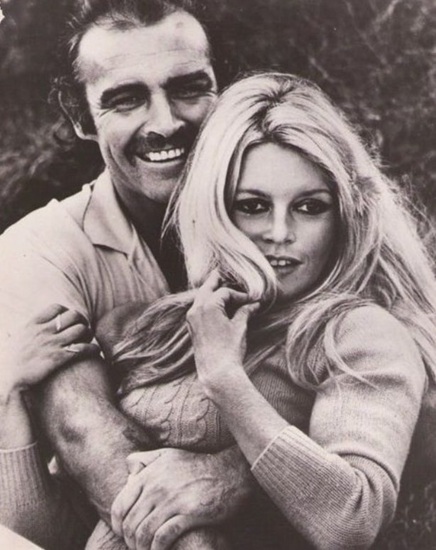
In 1968, the cinematic world witnessed a rare convergence of international stardom as Sean Connery and Brigitte Bardot joined forces for the western epic Shalako, generating immense excitement among audiences across Europe and the Americas.
Connery, already cemented in popular imagination as the quintessential James Bond, brought his signature combination of suave sophistication and rugged physicality to the role of Shalako, a principled former cavalry officer navigating perilous desert landscapes.
Bardot, at the height of her glamour and international renown, embodied a spirited German countess, infusing the film with her radiant charisma, sensuality, and a unique European elegance that captivated viewers and critics alike.
The pairing of Connery and Bardot offered a striking contrast in on-screen energy: his composed intensity and understated gravitas balanced her luminous, vivacious presence, creating a magnetic dynamic that elevated Shalako beyond standard western fare.

Based on Louis L’Amour’s novel, Shalako attempted to blend traditional American western motifs with European cinematic sensibilities, reflecting the era’s growing trend of cross-cultural productions that appealed to international audiences.
Set in the rugged, arid landscapes of the American Southwest, the film required both stars to adapt to physically demanding conditions, including long desert shoots, horseback sequences, and stunts that tested their endurance and professionalism.
Connery, despite his Bond experience, approached the western genre with a commitment to authenticity, studying cavalry tactics, horsemanship, and survival skills necessary to convincingly portray an ex-military figure navigating frontier danger.
Bardot, meanwhile, embraced the physicality of her role, mastering horseback riding and adapting her typically delicate cinematic persona to withstand the demands of action sequences, desert heat, and extended outdoor shooting schedules.
Their on-set relationship, though professional, revealed moments of warmth, laughter, and mutual respect, captured in photographs that show the pair sharing casual conversation or lighthearted moments between takes, hinting at genuine camaraderie.
Despite coming from different cinematic traditions—Connery rooted in British spy thrillers, Bardot in French arthouse and European glamour—the two stars connected over shared dedication, understanding of craft, and the pressures of performing under international scrutiny.

Shalako marked a pivotal moment for both actors: Bardot was nearing the end of her major film career, soon to retreat from the screen to focus on animal rights, philanthropy, and private life away from media attention.
Connery, by contrast, was exploring life beyond Bond, seeking to diversify his filmography with roles that emphasized dramatic depth, action versatility, and the capacity to inhabit characters outside of the spy genre’s glamorous constraints.
The film’s narrative, combining frontier peril, cultural tension, and romantic undertones, allowed both performers to showcase their strengths: Connery’s stoicism and calculated heroism, Bardot’s charm, resilience, and commanding screen presence.
Their scenes together emphasized chemistry and mutual respect, often placing Bardot’s spirited independence in tension with Connery’s steady, moral fortitude, reflecting both character development and the performers’ nuanced understanding of narrative pacing.
Behind the camera, director Edward Dmytryk managed a multinational cast and crew, blending European and American production styles, creating a challenging environment that required both stars to navigate language barriers, cultural differences, and differing filming techniques.
Production notes indicate that Bardot and Connery were frequently consulted on costume and movement, highlighting their influence in shaping character authenticity and contributing to the film’s overall visual and dramatic cohesion.
Photographs from the set often show Bardot laughing or adjusting her attire while Connery offers a subtle smile, suggesting a natural rapport and ease despite the pressures of a high-profile, international production.

The film also attracted attention for its ensemble cast, including other notable actors of the period, who added depth to the narrative and provided Connery and Bardot with skilled collaborators capable of sustaining the film’s tension and drama.
Cinematography emphasized expansive desert vistas, dramatic lighting, and long tracking shots that required both stars to maintain continuity, physical endurance, and emotional intensity for extended sequences under challenging environmental conditions.
Costume design for Bardot, particularly, highlighted her European elegance while adapting to western practicality, balancing visual appeal with the logistical demands of long shoots in arid conditions, showcasing the collaboration between star and wardrobe team.
For Connery, wardrobe choices reflected the rugged simplicity of a frontier soldier, but with subtle details emphasizing his character’s moral authority, blending practicality with cinematic heroism in alignment with audience expectations for western leads.
Bardot’s presence in the film also attracted international media coverage, generating articles, interviews, and press photos that highlighted her collaboration with Connery, often framing it as a meeting of two contrasting but complementary stars.
The publicity surrounding Shalako capitalized on the actors’ fame, positioning the film as both an adventure epic and a rare convergence of European glamour with British cinematic charisma, appealing to multiple markets simultaneously.
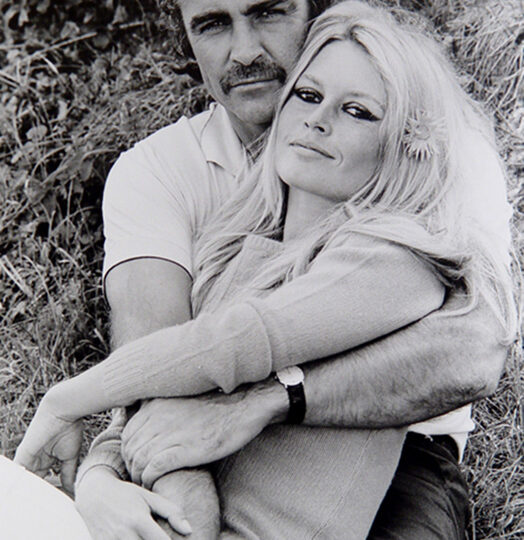
Critics at the time praised the pair’s ability to elevate the material, noting that Connery’s gravitas and Bardot’s magnetism created tension, intrigue, and emotional resonance that gave the film a unique appeal among 1960s westerns.
While some reviews were mixed regarding pacing and adherence to L’Amour’s original narrative, the performances of Connery and Bardot were consistently highlighted as the film’s strongest asset, often cited in retrospective assessments of 1960s cross-cultural productions.
Bardot, in particular, navigated the transition from her established French screen persona to a Hollywood-style western role with elegance, demonstrating versatility, professionalism, and an ability to command attention in a genre dominated by male leads.
Connery’s role as Shalako allowed him to further expand his range, moving from the suavity of James Bond to a more physically grounded, morally complex character, balancing action sequences with moments of introspective heroism.
Production diaries and interviews indicate that both actors maintained disciplined routines, attending early rehearsals, coordinating with stunt teams, and collaborating with cinematographers to ensure optimal framing, lighting, and movement during critical sequences.
Their collaboration also provided learning opportunities: Bardot observed Connery’s approach to action choreography and character motivation, while Connery admired Bardot’s natural camera presence and timing, enriching their performances through shared insights.
The set of Shalako was geographically remote, requiring extended stays in desert locations, which fostered opportunities for informal interaction, bonding, and mutual appreciation of each other’s professionalism and dedication to the project.
Media coverage during production often focused on their dynamic, reporting not only on screen chemistry but also on off-screen interactions, highlighting moments of laughter, consultation, and the occasional playful anecdote captured by photographers.
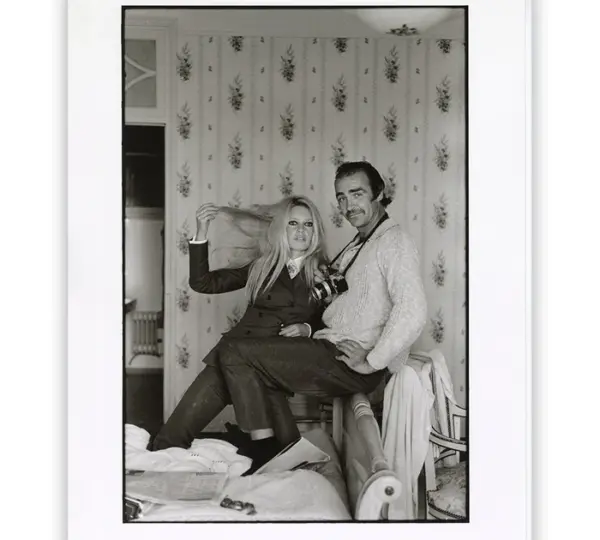
Upon release, Shalako was recognized for its ambitious blending of European cinematic style with American western conventions, with Connery and Bardot’s performances forming the emotional and dramatic core that carried the film.
Audiences responded positively to the juxtaposition of Bardot’s spirited countess and Connery’s stoic Shalako, appreciating the chemistry, tension, and occasional humor that punctuated an otherwise intense narrative set in a dangerous frontier.
The film also became a point of reference for international co-productions, demonstrating the potential for cross-market appeal when pairing actors of distinct cinematic traditions with complementary star power.
Bardot’s subsequent retreat from the film industry gave Shalako a heightened significance, representing one of her last major projects and a final opportunity to collaborate with a male co-star of comparable international renown.
For Connery, the film contributed to a post-Bond evolution, showcasing his capacity to inhabit roles requiring moral strength, physicality, and charisma outside the espionage genre, broadening his appeal to international audiences.
Even decades later, photographs of Connery and Bardot on set remain among the most enduring images of 1960s cinema, capturing a moment of elegance, professionalism, and cultural crossover rarely seen in film history.
The legacy of their collaboration lies not only in the narrative of Shalako but also in the representation of two stars at pivotal moments, negotiating fame, career transitions, and the challenges of cross-cultural productions with grace.
Contemporary retrospectives often highlight the professional respect and chemistry shared by Connery and Bardot, noting that their interaction elevated the material and provided a masterclass in on-screen balance between intensity and charm.
Collectors of cinema memorabilia and historians cite behind-the-scenes images and interviews from Shalako as key artifacts in understanding the interplay of European and British cinema, star image cultivation, and 1960s film marketing strategies.
Their collaboration serves as a timeless example of how pairing two global stars can generate creative energy, elevate material beyond its genre, and leave an enduring impression on both critics and audiences alike.
Shalako today is remembered as a unique cultural artifact, blending European glamour, British cinematic professionalism, and American frontier mythology, with Connery and Bardot’s performances at its heart, sustaining interest decades after its release.
Ultimately, the film offers a snapshot of two legendary careers intersecting at a moment of transformation, capturing the magic of star power, professional respect, and the creative possibilities of international co-productions in the late 1960s.
